Tesla unveils long-delayed roadster with possible rocket technology
 13 oC
13 oC 
Güneşli

Tesla is preparing to unveil its next-generation Roadster nearly nine years after first presenting the electric sports car, with attention focused on its promised acceleration, potential rocket-assisted technology and the timeline for production.
The unveiling is reportedly scheduled to take place at SpaceX’s test site in McGregor, Texas, on Thursday, October 15, with a livestream expected at 1:55 a.m. UK time on Friday, October 16. An event originally planned for October 1 was postponed because of bad weather.
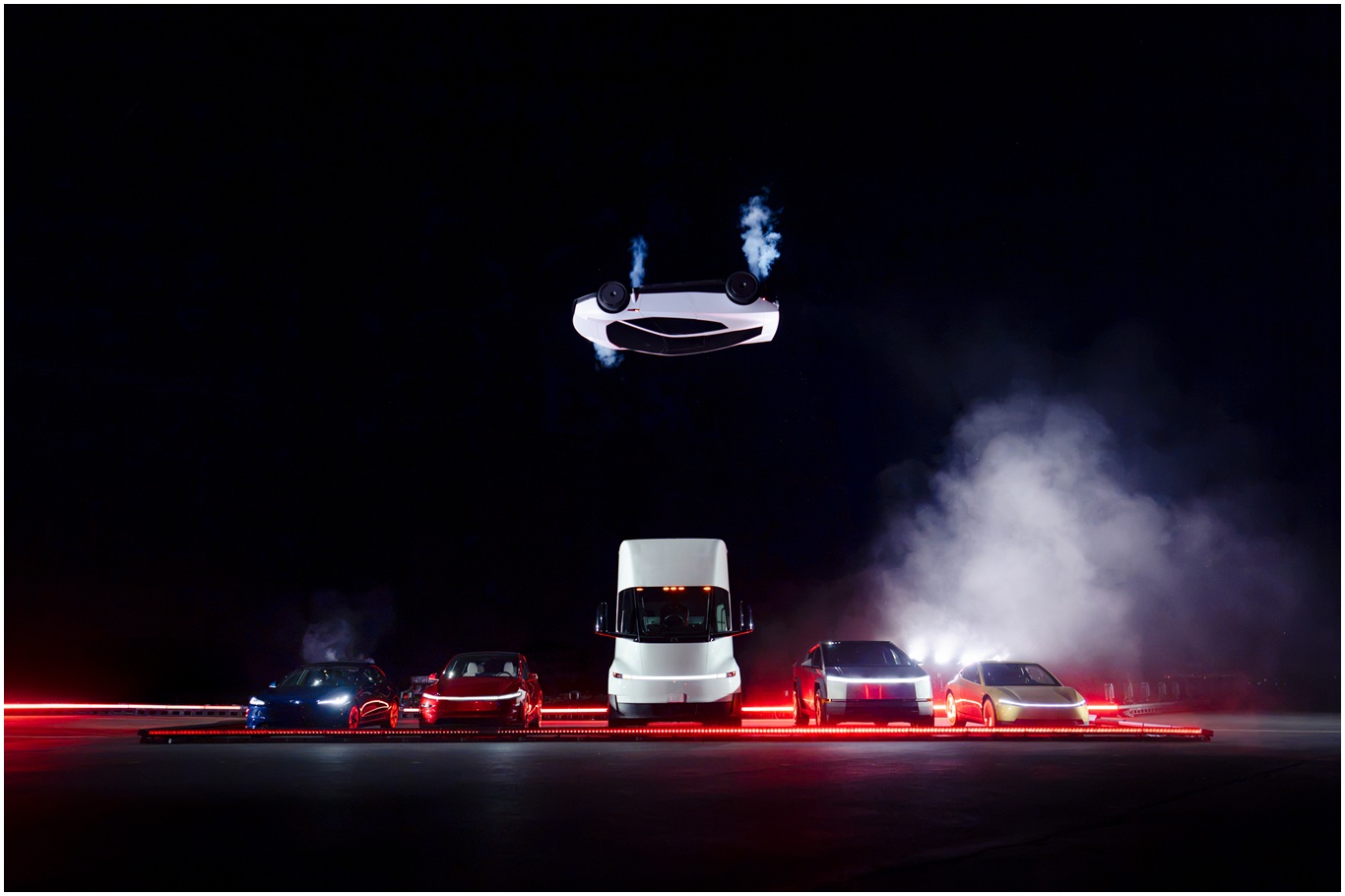
Tesla chief executive Elon Musk has described the presentation as “a candidate for greatest product demo of all time,” fuelling speculation that the event could feature a demonstration of technology developed in collaboration with SpaceX, Musk’s aerospace company.
However, it remains unclear which of the ambitious features previously discussed by Musk will be included in the production vehicle.
Tesla first unveiled the next-generation Roadster in November 2017 during the presentation of its Semi electric truck. The model was introduced as a high-performance successor to the original Roadster, which was launched in 2008 and helped establish Tesla in the electric vehicle market.
The company initially promised acceleration from zero to 60 miles per hour in 1.9 seconds, a zero-to-100 mph time of 4.2 seconds and a top speed exceeding 250 mph.
The original specifications also included three electric motors, with one at the front and two at the rear, alongside a 200-kilowatt-hour battery pack. Tesla claimed the vehicle would offer a driving range of up to 620 miles.
In 2024, Musk raised expectations further, claiming that the redesigned Roadster would accelerate from zero to 60 mph in less than one second. He also confirmed that Tesla was working with SpaceX on the vehicle.
The acceleration claims have yet to be demonstrated in a production-ready car under independently verified conditions.
One of the most unusual proposals for the Roadster is an optional package of small thrusters based on technology associated with SpaceX.
Musk has suggested that the system could use compressed gas to improve acceleration, braking and cornering. He has also hinted that the technology could enable the car to lift briefly off the ground.
Tesla has not publicly confirmed the final configuration or demonstrated that such a capability will be available to customers.
The unveiling is therefore expected to clarify the distinction between Musk’s performance ambitions, proposed experimental technologies and features that will ultimately be offered in the production model.
The 2017 prototype featured four seats, all-wheel drive, a removable glass roof that could be stored in the boot and a minimalist cabin dominated by a large central touchscreen.
However, Musk has indicated that the new version will differ significantly from the earlier prototype, leaving questions about the final design, interior layout and equipment.
Pricing also remains subject to confirmation. Tesla originally announced a starting price of $200,000, with the first 1,000 Founders Series vehicles priced at $250,000 each.
Reservations in the United States currently require a $50,000 deposit, although the deposit requirement does not establish the final purchase price or guarantee a delivery date.
The Roadster’s development has faced repeated delays. The car was initially expected to reach customers in 2020, but production has yet to begin.
Musk previously suggested that manufacturing could start 12 to 18 months after the unveiling, although that estimate was made when an April 2026 presentation was being discussed.
Prospective buyers will be looking for an updated production schedule, as well as confirmed information about battery capacity, charging speeds, driving range and the availability of the proposed performance features.
The launch also comes as Tesla increasingly emphasizes autonomous driving technology, robotaxis and humanoid robots. Unlike the steering-wheel-free Cybercab, the Roadster is being positioned as a performance car designed for people who want to remain in control behind the wheel.
While the unveiling could provide the clearest picture yet of Tesla’s long-delayed electric sports car, questions remain over whether its most ambitious promises will translate into a commercially available vehicle and when customers will finally be able to drive it. (ILKHA)
LEGAL WARNING: All rights of the published news, photos and videos are reserved by İlke Haber Ajansı Basın Yayın San. Trade A.Ş. Under no circumstances can all or part of the news, photos and videos be used without a written contract or subscription.
Turkish Communications Director Burhanettin Duran warns of AI-related risks, disinformation and digital platform dominance, stressing the need for a human-centred and fair communications order.
Artificial intelligence-powered malware capable of copying itself and spreading across internet-connected devices could become a major cybersecurity threat in the near future, according to new research by AI company Anthropic.
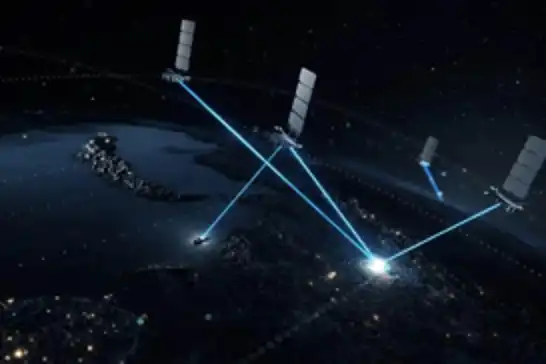
Russia has accused foreign actors of using Starlink satellite internet services to interfere in the domestic affairs of sovereign states and coordinate mass protests from abroad, citing demonstrations in Iran in 2022 and Venezuela in 2024.