Afghanistan calls for joint regional efforts to combat drug trafficking
 13 oC

Güneşli

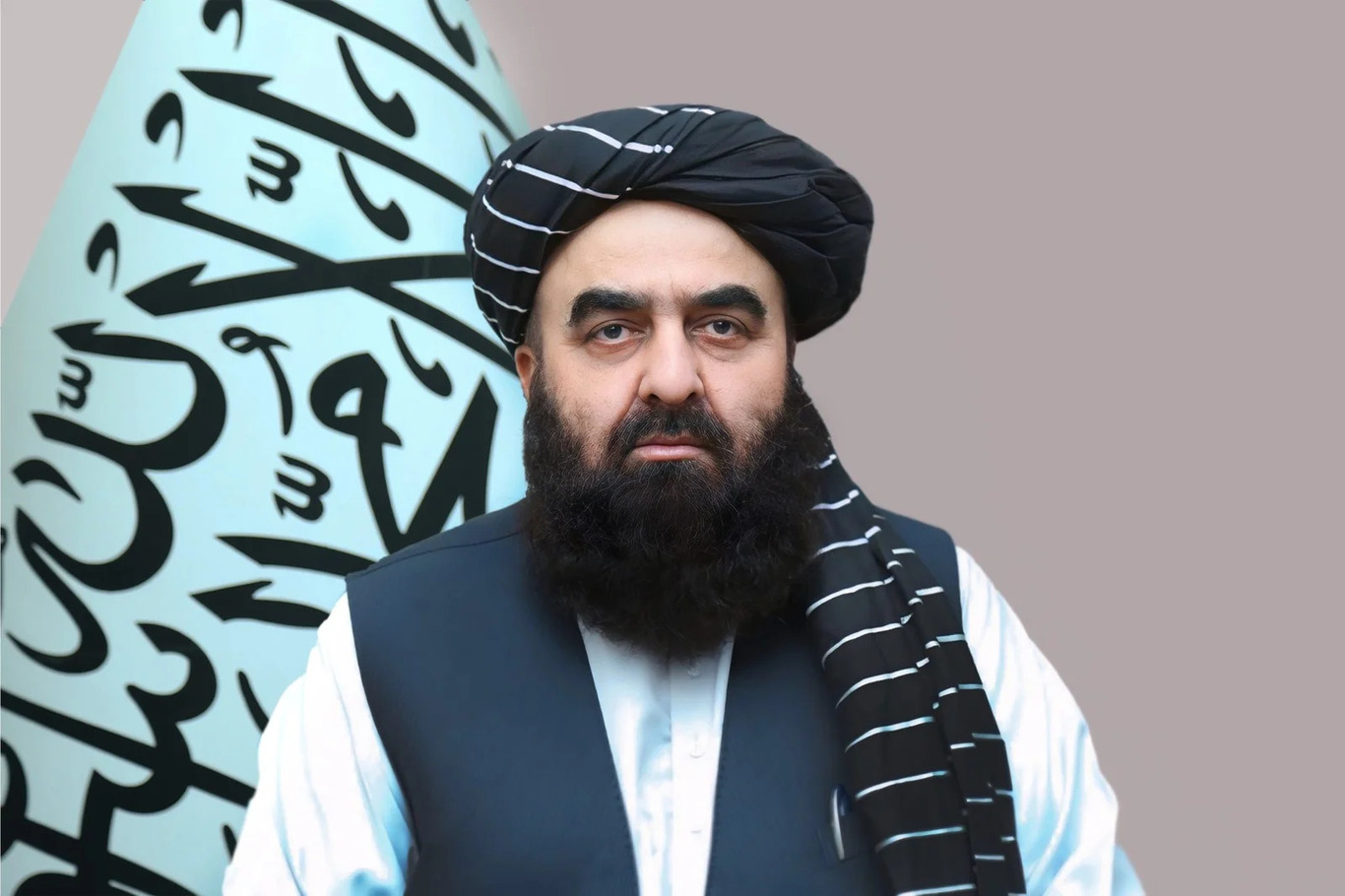
Afghanistan’s Islamic Emirate has called for stronger regional cooperation to combat drug cultivation, production and trafficking, while reporting thousands of anti-narcotics operations and the eradication of large areas of land used for illicit crops.
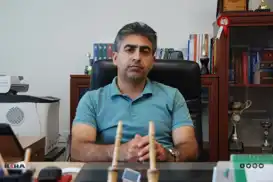
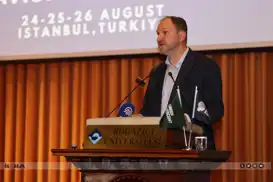
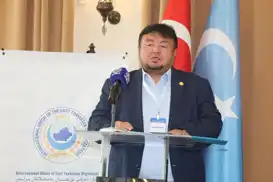
Speaking at a conference on counter-narcotics, Foreign Minister Amir Khan Muttaqi said Afghanistan was ready to facilitate field visits by representatives of foreign countries and international organizations to assess the Islamic Emirate’s anti-drug efforts.
Muttaqi expressed concern over what he described as the growing cultivation of narcotics in Afghanistan’s neighboring countries, warning that efforts to combat drug trafficking would remain incomplete without a coordinated regional approach.
“Our biggest concern and challenge is the widespread cultivation of narcotics in Afghanistan’s neighboring countries and their subsequent trafficking,” Muttaqi said.
He urged the international community to assess Afghanistan’s counter-narcotics campaign through professional reporting and on-the-ground inspections, warning against what he described as biased accounts that misrepresent the authorities’ efforts.
“If the decisive measures taken by the Islamic Emirate of Afghanistan are not accurately assessed ... it would be a grave injustice to this successful campaign,” he said.
Abdul Rahman Munir, deputy interior minister for counter-narcotics, said authorities had conducted more than 8,000 operations this year, resulting in the arrest of more than 10,000 suspects.
Munir reported that authorities had carried out more than 8,200 operations to arrest suspects, over 12,000 operations to eradicate poppy cultivation and more than 4,300 operations targeting drug addiction.
He added that thousands of people suffering from drug addiction had been transferred to hospitals for treatment.
According to Munir, approximately 26,500 hectares of land had been under drug cultivation this year, much of which had subsequently been eradicated.
The figures highlight the scale of the authorities’ reported counter-narcotics campaign, although the information provided did not include independent verification of the operations or the total area cleared.
Afghanistan’s Ministry of Public Health said 67 drug addiction treatment centers were operating across the country’s 34 provinces.
Of these facilities, 46 provide treatment for adult men, 14 serve women and children, and seven are designated for adolescents, according to the ministry.
The treatment centers form part of the authorities’ efforts to address drug addiction alongside measures targeting cultivation, production and trafficking.
On April 3, 2022, Afghanistan’s Islamic Emirate leader issued a decree prohibiting poppy cultivation and drug production throughout the country.
The ban marked a major policy shift in a country that had long been the world’s leading source of illicit opium. Its implementation has had significant implications for farmers who previously depended on poppy cultivation for their livelihoods.
Muttaqi’s remarks underscored the Islamic Emirate’s call for international engagement and regional coordination, arguing that Afghanistan’s efforts would be more effective if neighboring countries also addressed drug cultivation and trafficking within their territories. (ILKHA)
LEGAL WARNING: All rights of the published news, photos and videos are reserved by İlke Haber Ajansı Basın Yayın San. Trade A.Ş. Under no circumstances can all or part of the news, photos and videos be used without a written contract or subscription.
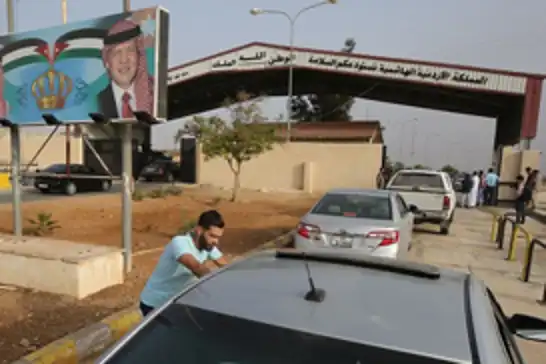
Syria has reopened the Nasib border crossing with Jordan to passenger and commercial traffic after a one-day closure triggered by Jordanian airstrikes in southern Syria, while the two countries agreed to establish a joint security committee to strengthen border coordination and address the aftermath of the incident.
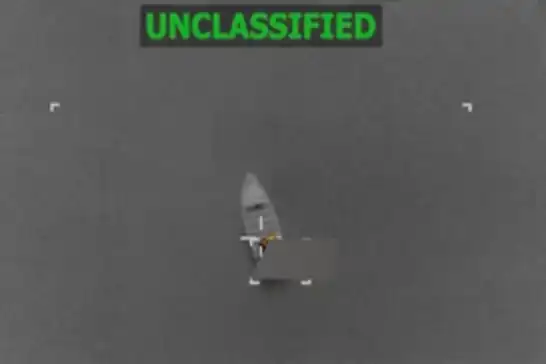
A US military strike on a vessel in the eastern Pacific Ocean killed five people on Thursday, intensifying criticism of Washington’s expanding campaign against alleged drug-trafficking networks in Latin America and raising renewed questions about the legality of its operations at sea.
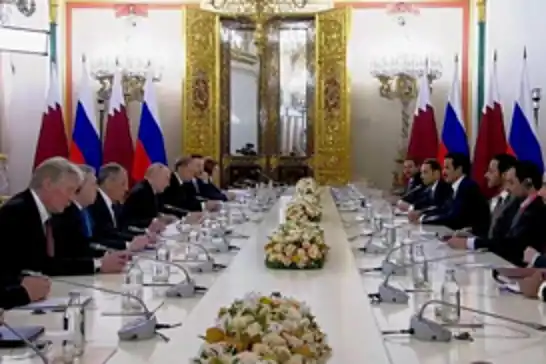
Russian President Vladimir Putin and Qatari Emir Sheikh Tamim bin Hamad Al Thani discussed bilateral relations, global energy security and developments in the Middle East during a meeting in Moscow on Tuesday, as both countries sought to strengthen cooperation amid growing uncertainty in international energy markets.