US strike in Eastern Pacific kills five, fuels accusations of state-sponsored piracy
 13 oC

Güneşli

A US military strike on a vessel in the eastern Pacific Ocean killed five people on Thursday, intensifying criticism of Washington’s expanding campaign against alleged drug-trafficking networks in Latin America and raising renewed questions about the legality of its operations at sea.
The US Southern Command said the vessel was targeted along what it described as “established narco-trafficking routes,” claiming that the operation was based on confirmed intelligence. However, the military did not publicly provide evidence that the vessel was carrying narcotics when it was attacked.
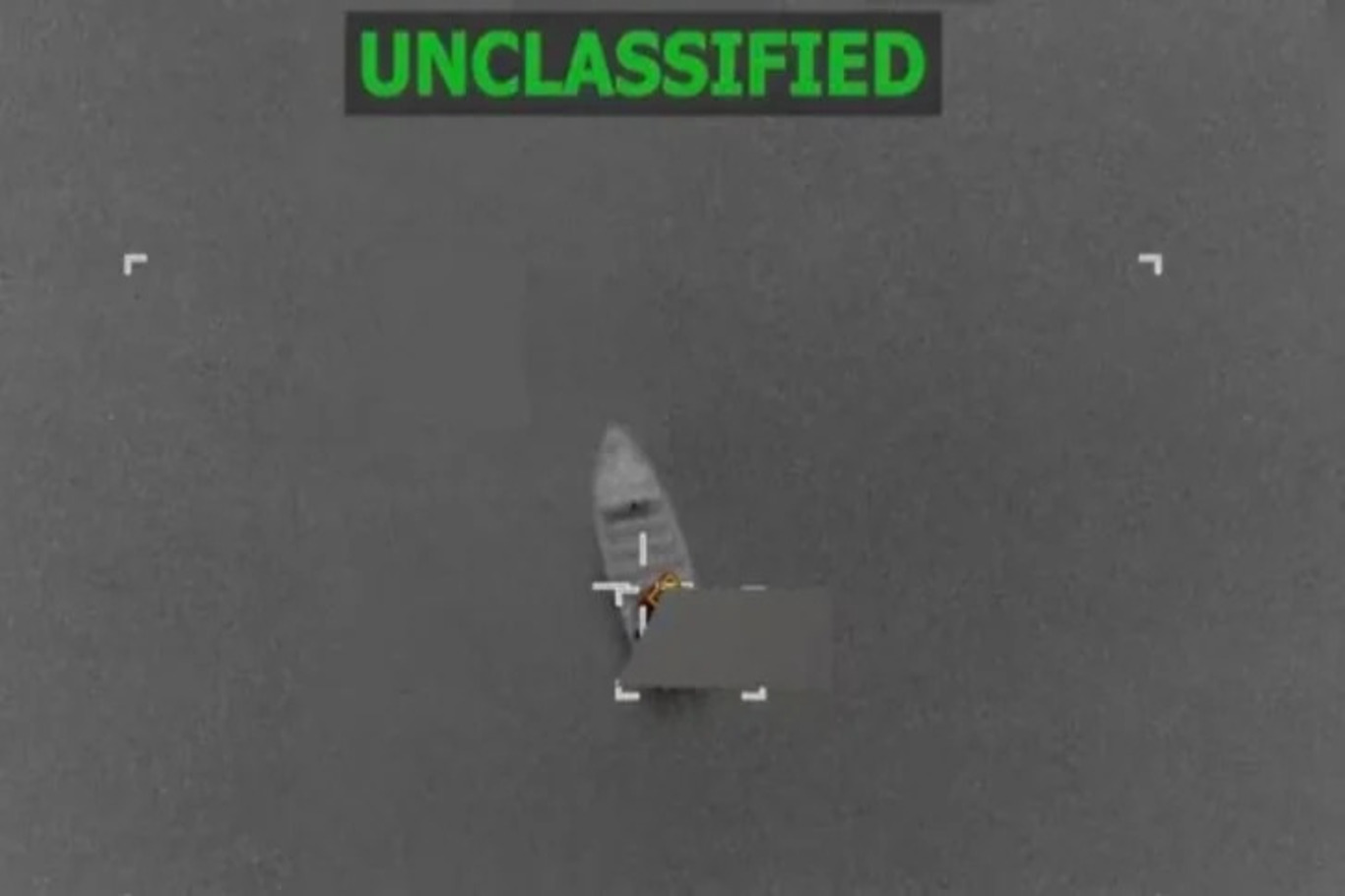
Footage released on social media showed a vessel in the military’s crosshairs before it was struck and engulfed in flames.
The attack is part of an expanding campaign launched under US President Donald Trump, whose administration has increasingly portrayed alleged drug-trafficking networks as “narcoterrorist” organizations and justified the use of lethal military force against them.
Critics have questioned Washington’s failure to present conclusive evidence that the targeted vessels were transporting drugs, as well as its authority to carry out lethal strikes against people who have not been given an opportunity to stand trial.
The campaign has reportedly involved more than 70 strikes since Trump returned to the White House for a second term, with the death toll exceeding 240, according to media reports.
The repeated attacks have fueled accusations that Washington is using military power to carry out killings at sea without transparent evidence or adequate legal safeguards. Critics have likened the operations to piracy, arguing that the unilateral destruction of vessels and killing of their occupants without publicly established legal grounds undermine international law and the principle of due process.
Human rights organizations and legal experts have raised concerns that the strikes could constitute extrajudicial executions if those killed were civilians who posed no imminent threat and were deliberately targeted outside a lawful armed conflict.
The legality of such operations depends on the circumstances of each attack, including the applicable legal framework, the status of those targeted and whether the use of lethal force was justified. Allegations of drug trafficking alone do not automatically establish a legal basis for killing suspects.
US lawmakers have repeatedly pressed the Pentagon to release unedited footage of the strikes, seeking greater transparency over the identification of targets and the decisions leading to lethal force.
Legal scholars have also challenged the administration to clarify the authority under which it is conducting repeated military operations beyond conventional battlefields.
Washington has yet to publicly provide conclusive evidence establishing that the vessels targeted in the campaign were carrying narcotics at the time of the attacks, leaving questions about accountability and the legal justification for the killings unresolved.
The growing controversy has placed the Trump administration under mounting pressure to explain why suspected criminal activity is being met with military strikes rather than transparent law-enforcement procedures.
For critics, the central issue is not simply the US campaign against drug trafficking, but whether Washington is asserting a right to kill people on the high seas without demonstrating that such force is lawful — a practice they condemn as resembling state-sponsored piracy and extrajudicial execution. (ILKHA)
LEGAL WARNING: All rights of the published news, photos and videos are reserved by İlke Haber Ajansı Basın Yayın San. Trade A.Ş. Under no circumstances can all or part of the news, photos and videos be used without a written contract or subscription.

Afghanistan’s Islamic Emirate has called for stronger regional cooperation to combat drug cultivation, production and trafficking, while reporting thousands of anti-narcotics operations and the eradication of large areas of land used for illicit crops.
Russian President Vladimir Putin and Qatari Emir Sheikh Tamim bin Hamad Al Thani discussed bilateral relations, global energy security and developments in the Middle East during a meeting in Moscow on Tuesday, as both countries sought to strengthen cooperation amid growing uncertainty in international energy markets.

Israeli Prime Minister Benjamin Netanyahu is facing one of the most serious political challenges of his career after exit polls from the country’s October 27 election indicated that his bloc had fallen short of a parliamentary majority, amid mounting international condemnation of Israel’s genocidal war on Gaza.