Bosnia election puts Bosniak representation at center of political future
 13 oC
13 oC 
Güneşli

Bosnia and Herzegovina’s election has left Bosniak political forces at the center of the country’s political landscape, while entrenched ethnic divisions and obstruction from Serb nationalist forces continue to complicate Sarajevo’s efforts to advance toward European Union membership.
Preliminary results from the Oct. 4 election showed the Bosniak nationalist Party of Democratic Action (SDA) emerging as the largest party in the race for the House of Representatives of the Parliamentary Assembly of Bosnia and Herzegovina.
With more than 90% of polling stations processed, the SDA had secured nearly 20% of the vote, according to preliminary figures from the Central Election Commission.
The Alliance of Independent Social Democrats (SNSD), led by Bosnian Serb politician Milorad Dodik, ranked second nationally, followed by the multi-ethnic Social Democratic Party (SDP). The coalition around the main Bosnian Croat party, HDZ BiH, came fourth.
The results underscored the continuing importance of Bosniak political representation in a country whose post-war political system has often made the interests and aspirations of its Muslim-majority Bosniak population subject to complex ethnic power-sharing arrangements.
Bećirović leads Bosniak presidency race
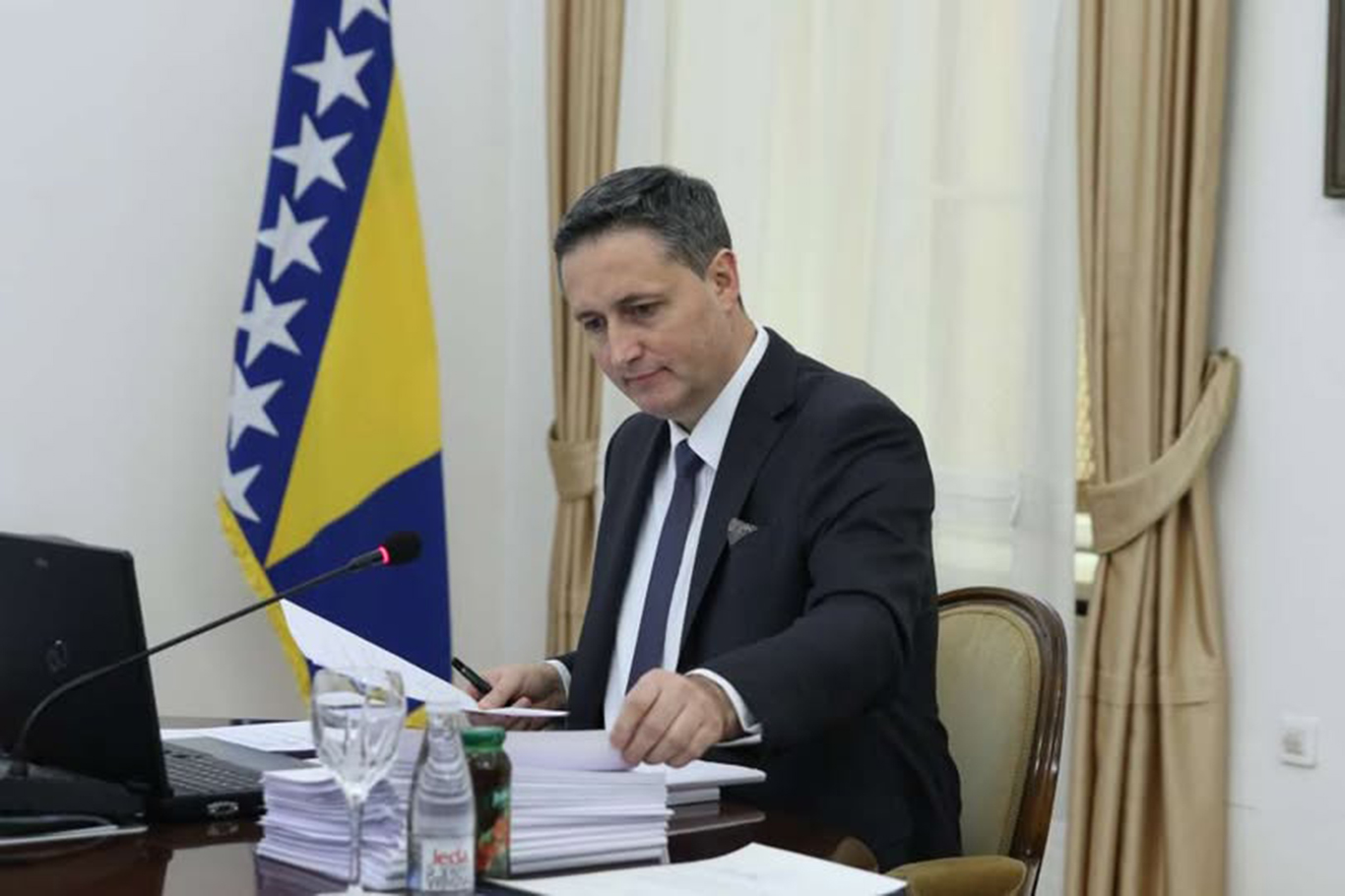
In the contest for the three-member Presidency of Bosnia and Herzegovina, Denis Bećirović was leading the race for the Bosniak seat, ahead of SDA leader Bakir Izetbegović.
Bećirović, who has strongly supported Bosnia’s integration into the EU and NATO, campaigned on strengthening the country’s state institutions and advancing its Euro-Atlantic integration.
The result keeps the Bosniak seat at the center of Bosnia’s efforts to strengthen state institutions and overcome political obstruction.
For the Serb seat, SNSD candidate Željka Cvijanović held a substantial lead, while HDZ BiH candidate Darijana Filipović was ahead in the Croat race.
Dodik declares victory
Dodik declared victory for his SNSD following the release of preliminary results, saying the party had prevailed across government levels.
“I declare victory at all levels. Thank you to everyone. This is a result similar to that of 20 years ago,” Dodik said, according to local media.
His comments came against the backdrop of years of political confrontation between Republika Srpska authorities and Bosnia’s central institutions.
Dodik and other Bosnian Serb leaders have repeatedly challenged the authority of state institutions and advocated greater autonomy for Republika Srpska, positions that Bosniak politicians and Western governments have frequently criticized as threats to Bosnia’s territorial integrity and constitutional order.
In Republika Srpska, the SNSD was also leading the race for the entity’s parliament, while its candidate Savo Minić was on course to win the entity’s presidency.
Bosniaks face continuing political challenges
Bosnia’s political system was established under the 1995 Dayton peace agreement, which ended the 1992-95 war but created a highly decentralized state divided between Republika Srpska and the Federation of Bosnia and Herzegovina.
The Federation is predominantly home to Bosniaks and Croats, while Republika Srpska is predominantly Serb.
The system was designed to maintain peace and balance among the country’s constituent peoples, but it has also produced prolonged political paralysis.
For Bosniaks, the challenge has been particularly acute because decisions at the state level can require cooperation from political forces that have frequently opposed stronger central institutions.
Bosniak political parties have repeatedly warned that attempts to weaken Bosnia’s state institutions could undermine the country’s sovereignty and reverse progress made since the end of the war.
EU path remains blocked
The election comes as Bosnia seeks to advance its long-delayed EU membership process.
The country received EU candidate status in December 2022, and EU leaders agreed in 2024 to open accession negotiations. Formal negotiations, however, have yet to begin because Bosnia has not completed key reforms involving the rule of law, judicial institutions, anti-corruption measures and the functioning of democratic institutions.
Bosniak political forces have generally backed closer integration with the EU and NATO, viewing Euro-Atlantic integration as an important means of consolidating Bosnia’s sovereignty, security and democratic institutions.
Political obstruction and disagreements between the country’s entities, however, continue to slow the reform process.
Foreign influence adds to pressure
Bosnia also remains an arena of competing international interests.
The EU is seeking to bring Bosnia and other Western Balkan countries into the bloc, while Russia maintains close political relations with the leadership of Republika Srpska.
The United States remains an important actor because of its central role in the Dayton peace settlement and its continuing efforts to preserve Bosnia’s territorial integrity and counter destabilizing foreign influence.
Energy has also become part of the geopolitical competition. Washington supports a proposed gas pipeline linking Bosnia with Croatia, which would provide an alternative to Russian energy supplies.
For Bosnia’s predominantly Muslim Bosniak community, the country’s continued sovereignty and territorial integrity remain particularly important given the history of the 1992-95 war and the mass displacement and killings that accompanied it.
Voter frustration and technical problems
Election day was also marked by technical and organizational problems.
Election watchdog coalition Pod Lupom reported dozens of serious irregularities, including problems involving election materials, polling procedures and access for observers. Some polling stations also opened later than scheduled.
New voting technology was operational at the vast majority of monitored polling stations, although technical difficulties were reported at some locations.
Turnout was significantly lower than in the previous election at a comparable point in the day, reflecting widespread voter frustration with a political system that has struggled to deliver meaningful reform.
The election result nevertheless demonstrated that Bosniak political forces remain a central pillar of Bosnia and Herzegovina’s political order.
With the country’s EU aspirations still dependent on overcoming institutional paralysis, the ability of Bosnia’s political leaders to defend the country’s sovereignty, strengthen its institutions and bridge its ethnic divisions will remain critical to its future. (ILKHA)
LEGAL WARNING: All rights of the published news, photos and videos are reserved by İlke Haber Ajansı Basın Yayın San. Trade A.Ş. Under no circumstances can all or part of the news, photos and videos be used without a written contract or subscription.
Germany announced a new support package worth more than €1.3 billion ($1.46 billion) for Ukraine on Sunday, including military assistance, interceptor drones and aid for the country’s energy infrastructure.
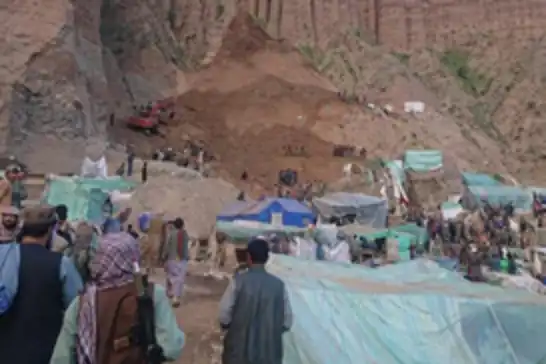
Five workers have been killed after a mine collapsed in Afghanistan’s northern Takhar province, local media outlet TOLOnews reported Saturday.
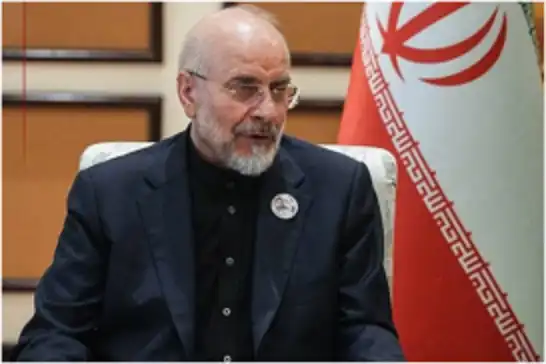
Iranian Parliament Speaker Mohammad Baqer Qalibaf said Sunday that Tehran would continue confronting its adversaries while pursuing both military preparedness and diplomatic efforts, accusing the United States of trying to pressure Iran through contradictory messages and threats.