China and Canada agree on mutual tariff reductions amid trade tensions
 13 oC

Güneşli

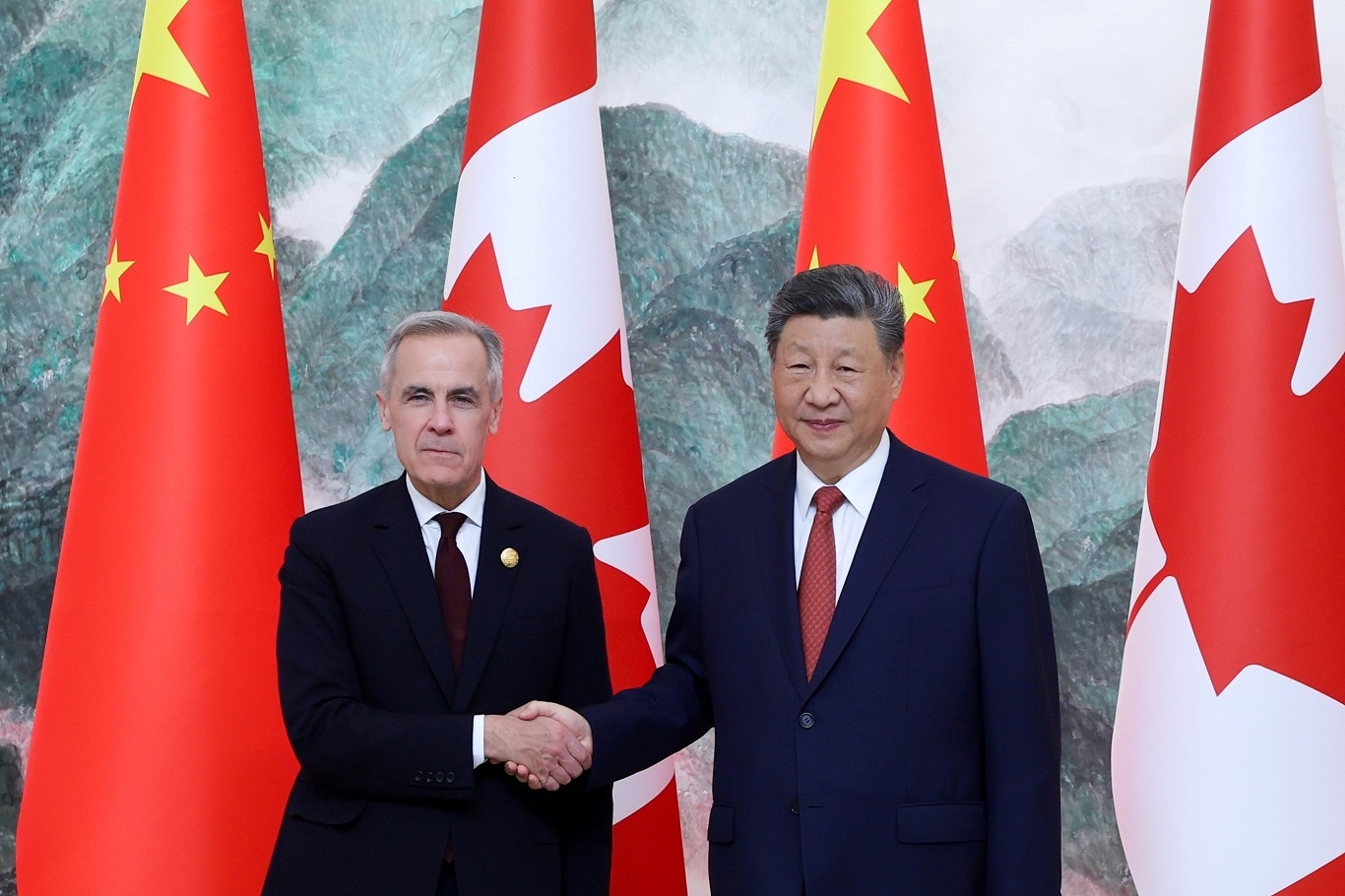
China and Canada have agreed to expand economic cooperation and reduce trade barriers as the two countries seek to stabilize bilateral relations amid ongoing global trade tensions.
Chinese President Xi Jinping and Canadian Prime Minister Mark Carney reached an understanding on new steps to lower tariffs and deepen economic ties during their meeting ahead of the Asia-Pacific Economic Cooperation (APEC) Summit.
The meeting came at a time when Canada continues to face trade tensions with the United States, prompting Ottawa to seek broader economic partnerships.
According to a statement from the Canadian Prime Minister's Office, the new measures expand the scope of an earlier agreement between the two countries aimed at improving trade and economic relations.
Under the agreement, China will provide additional tariff reductions on Canadian export products worth around 400 million Canadian dollars ($280 million), including fish and seafood products.
In return, Canada agreed to extend tariff exemptions on certain Chinese steel and aluminum products for two more years.
During the meeting, Xi and Carney expressed support for strengthening the strategic partnership established earlier this year and increasing economic cooperation between the two countries.
Xi said improving China-Canada relations serves the interests of both nations' peoples and contributes to global peace, stability, development and prosperity.
Carney highlighted that contacts between the two countries have increased in recent months, saying bilateral relations have entered a period of greater predictability and stability.
He stated that stabilizing trade arrangements between the two countries could serve as an example of resolving broader issues through pragmatic cooperation.
Carney also said Canada was progressing faster than planned toward its goal of increasing exports to China by 50 per cent by 2030.
The latest trade steps follow an agreement reached in January that allowed Chinese electric vehicles to enter the Canadian market under reduced tariffs.
Under that arrangement, Canada lowered tariffs on Chinese-made electric vehicles from 100 per cent to 6.1 per cent and initially set an annual import quota of 49,000 vehicles, with plans to increase the quota over time.
In exchange, China agreed to reduce tariffs on Canadian agricultural products, particularly canola.
The developments mark a shift toward renewed economic engagement between Beijing and Ottawa after years of strained relations over trade disputes and market access issues.(ILKHA)
LEGAL WARNING: All rights of the published news, photos and videos are reserved by İlke Haber Ajansı Basın Yayın San. Trade A.Ş. Under no circumstances can all or part of the news, photos and videos be used without a written contract or subscription.
Japan and South Korea scrambled fighter jets on Tuesday after detecting Russian military aircraft operating near their airspace, amid heightened regional security concerns, according to Japanese and South Korean media reports.

The occupation forces entered the western countryside of Syria’s Daraa province with 23 military vehicles, deployed in several areas of Mreieh village, raided homes and targeted surrounding areas with artillery fire and helicopter attacks.

The Muslim Brotherhood has strongly condemned Egypt's decision to permanently designate the group as a terrorist organization, accusing the authorities of using the judiciary to suppress political opposition and target Islamic institutions and scholars at home and abroad.