Egypt signs preliminary $650 million deal for major solar project
 13 oC

Güneşli

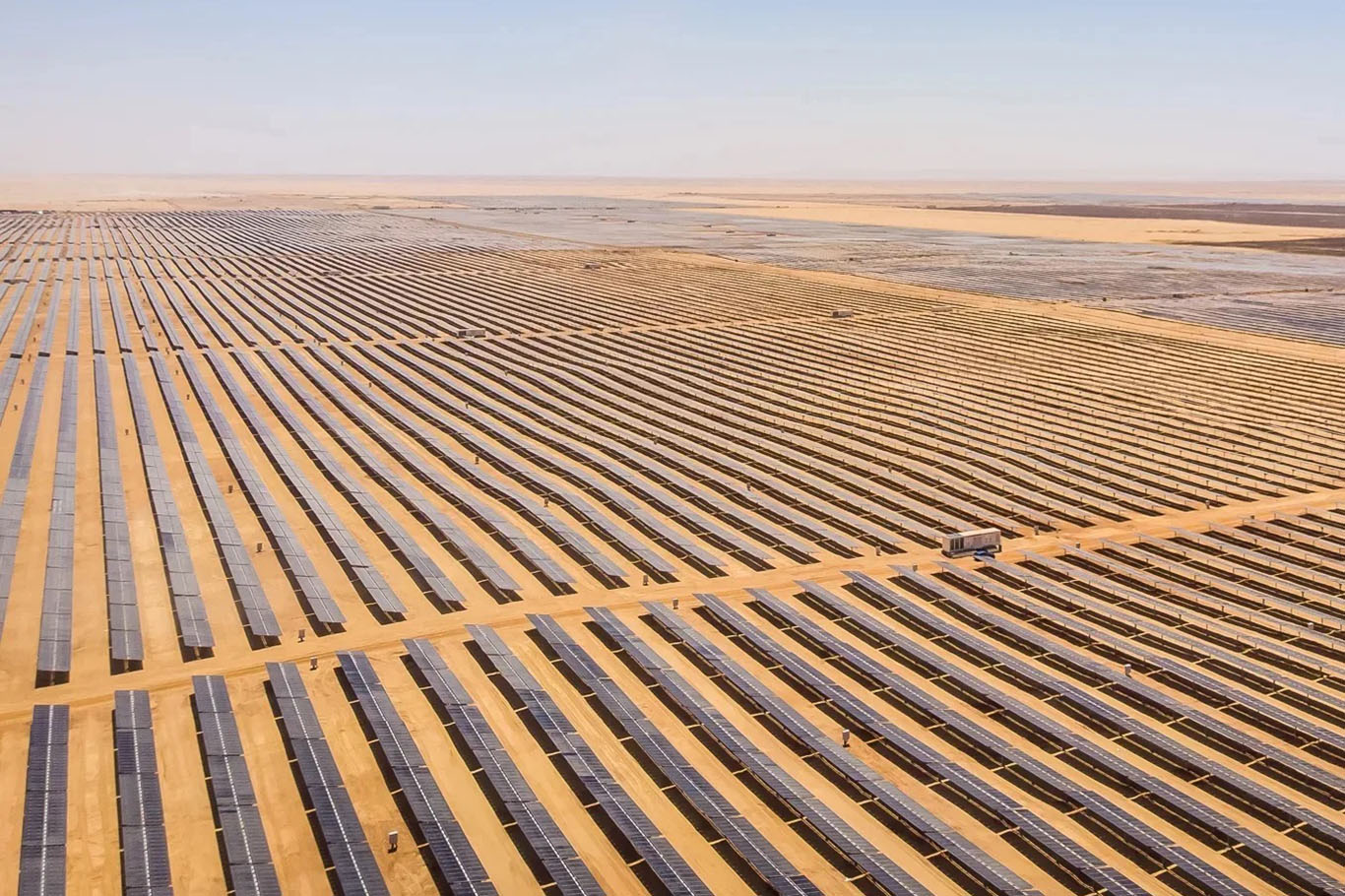
Egypt has signed a preliminary financing agreement with Norway’s Scatec and three multilateral development banks for a $650 million solar power project in the southern province of Qena, as Cairo seeks to expand renewable energy production and reduce its reliance on natural gas imports.
The Dandara project, located in Nagaa Hammadi, will have a planned solar generation capacity of 1 gigawatt and battery storage capacity of 200 megawatt-hours, the Egyptian Cabinet said on Monday.
The financing arrangements involve the European Investment Bank (EIB), the European Bank for Reconstruction and Development (EBRD) and the African Development Bank (AfDB). The National Bank of Egypt will also take an equity stake in the project company, while separate agreements cover connecting the facility to the national electricity grid.
The project will be implemented in two phases, each comprising 500 megawatts of solar capacity and 100 megawatt-hours of battery storage.
The first phase is expected to become fully operational in early 2028 and generate an estimated 1,373 gigawatt-hours of electricity annually, according to the African Development Bank.
The Dandara project is designed to supply around one-third of the electricity needs of Egypt Aluminium, a major industrial producer based in Nagaa Hammadi.
By providing renewable electricity to the energy-intensive aluminium industry, the project is expected to reduce carbon emissions associated with production and help Egyptian exports remain competitive in international markets.
The development is particularly relevant as the European Union’s Carbon Border Adjustment Mechanism entered its definitive phase in January 2026, increasing the importance of emissions reporting and carbon costs for certain imported goods, including aluminium.
Battery storage will help make solar-generated electricity available during periods of peak demand, including after sunset, while reducing the variability associated with solar power generation.
The African Development Bank estimates that the first phase could reduce carbon dioxide emissions by approximately 500,000 tonnes annually and create about 2,500 jobs during construction, alongside 23 permanent operational positions.
Egypt is seeking to increase renewable energy’s share of its electricity generation mix to 42% by 2030, as declining domestic natural gas production and the cost of imports have strengthened the government’s focus on diversifying energy supplies.
The Dandara project forms part of a broader investment programme involving Scatec, which has expanded its renewable energy portfolio in Egypt through solar power, wind energy and battery storage developments.
On October 22, Scatec and the EBRD announced a separate renewable energy investment platform for Egypt, with the bank committing up to $221 million in equity and project-level guarantees. The platform is intended to accelerate the development and financing of Scatec’s renewable energy portfolio in the country.
Egypt announced in June that Scatec planned to invest up to $5 billion in the country over two years across renewable energy, storage, green data centres and related infrastructure.
The Dandara financing agreement marks a further step in Egypt’s efforts to attract international investment, strengthen energy security and reduce the carbon intensity of its industrial sector. However, the preliminary agreement is part of the financing and implementation process rather than confirmation that the entire project cost has already been disbursed. (ILKHA)
LEGAL WARNING: All rights of the published news, photos and videos are reserved by İlke Haber Ajansı Basın Yayın San. Trade A.Ş. Under no circumstances can all or part of the news, photos and videos be used without a written contract or subscription.
Türkiye’s seasonally adjusted unemployment rate rose by 0.5 percentage points to 8.4% in September 2026, with the number of unemployed people increasing by 198,000 to nearly 3 million, the Turkish Statistical Institute (TurkStat) said on Tuesday.
Türkiye’s total installed electricity generation capacity reached 127,355 megawatts (MW) as of October 2026, with renewable energy sources accounting for approximately 62% to 62.7% of the country’s total capacity, according to official data from the Ministry of Energy and Natural Resources.

The Central Bank of the Republic of Türkiye (CBRT) has cut its benchmark one-week repo rate by 100 basis points to 36% from 37%, citing signs of easing underlying inflationary pressures and weak domestic demand.

Türkiye’s consumer confidence index fell by 7.7% in October, dropping to 84.8 from 91.9 in September, according to data released by the Turkish Statistical Institute (TurkStat) on Thursday.