Gaza faces deepening humanitarian catastrophe as Israeli war leaves tens of thousands of orphans, widows, and survivors
 13 oC
13 oC 
Güneşli

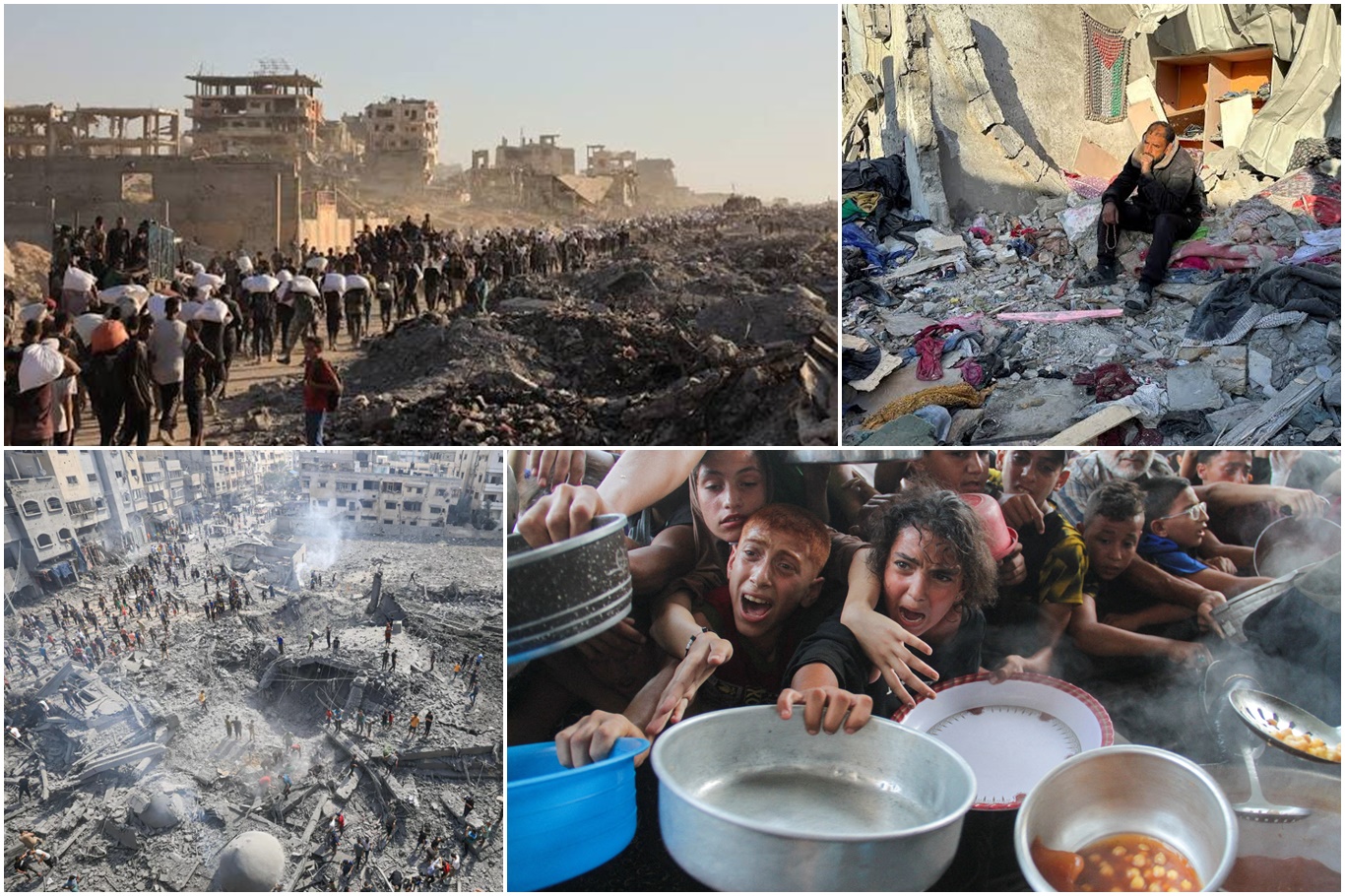
The devastating consequences of the Israeli genocidal war on Gaza continue to unfold, leaving behind an unprecedented humanitarian catastrophe that has shattered Palestinian families and displaced the overwhelming majority of the population.
Palestinian officials warn that the besieged enclave is now confronting one of the most severe social and humanitarian crises in its modern history.
Speaking at a press conference in Gaza City, Riyad Al-Baytar, Undersecretary of Gaza’s Ministry of Social Development, revealed alarming figures that underscore the scale of the tragedy inflicted upon the Palestinian people.
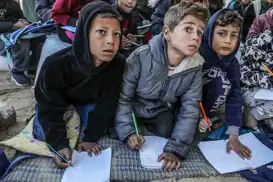
According to Al-Baytar, the Israeli assault has left more than 75,000 Palestinian children orphaned, having lost one or both parents during months of relentless bombardment and destruction. He added that over 68,000 Palestinians have become sole survivors within their families, including thousands of children who have seen entire households wiped out by occupation airstrikes.
The ministry also documented more than 45,000 widows across the Gaza Strip, including 28,000 women who lost their husbands during the latest Israeli offensive. Officials fear these numbers will continue to rise as the full toll of the war becomes clearer.
Eight in Ten Families Forced From Their Homes
The war has uprooted Palestinian society on a massive scale. Al-Baytar stated that approximately 80 percent of Gaza's families have lost their homes, forcing them into overcrowded shelters, schools, temporary camps, and makeshift tents.
Nearly one million Palestinians are currently living in displacement centers, while countless others remain scattered across the Strip outside official shelters. Only a small fraction of Gaza's residents continue to live in partially damaged homes that offer little protection from harsh conditions and ongoing dangers.
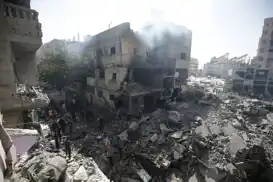
The mass displacement campaign has left families struggling to access basic necessities, while entire neighborhoods and communities have been reduced to rubble by months of Israeli attacks.
Aid Restrictions Deepen Suffering
Palestinian officials stressed that the humanitarian assistance reaching Gaza remains dramatically insufficient to meet the needs of a population devastated by war, siege, and displacement.
Al-Baytar noted that between 120 and 150 aid trucks enter Gaza daily—far below the minimum required to sustain more than two million Palestinians trapped inside the enclave. He said the continuing restrictions on humanitarian access reflect policies that obstruct the delivery of life-saving assistance.
Citing data from the United Nations Office for the Coordination of Humanitarian Affairs, he explained that international funding has reached only a quarter of Gaza's humanitarian requirements, severely limiting relief operations.
As a result, community kitchens that provide food for displaced families are producing only around 300,000 meals per day, despite an estimated need for one million daily meals.
Humanitarian organizations operating in Gaza continue to struggle under overwhelming conditions, with approximately 75 percent of the funding required for emergency response efforts still unavailable.
Collapse of Essential Services
The ongoing Israeli military campaign has also devastated Gaza's social infrastructure.
According to the Ministry of Social Development, healthcare, education, and social welfare services have either collapsed entirely or are functioning at only minimal levels. The destruction of infrastructure, combined with soaring prices, economic paralysis, and disruptions in salary payments, has intensified the suffering of Palestinian families already enduring the effects of war.
Al-Baytar warned that economic restrictions, political pressures, and security-related obstacles continue to hamper humanitarian work, making aid delivery increasingly difficult and inefficient.
He also criticized measures that subject humanitarian operations to occupation-imposed procedures and restrictions, arguing that such policies undermine internationally recognized humanitarian principles, including neutrality, fairness, and accountability.
Calls for Coordinated Humanitarian Response
As Gaza's humanitarian crisis deepens, Palestinian authorities are seeking to improve aid coordination and ensure assistance reaches those most in need.
Al-Baytar emphasized the importance of unifying relief efforts through a comprehensive aid distribution system coordinated with charitable organizations and humanitarian institutions.
He announced that the ministry has adopted a unified national database linked to Gaza's civil registry, enabling continuous updates of citizens' information and helping create a more transparent and equitable framework for distributing humanitarian assistance.
The latest figures paint a grim picture of the immense human cost of Israel's war on Gaza—a cost measured not only in destroyed buildings and shattered infrastructure, but in tens of thousands of children left without parents, widows left to care for families alone, and entire communities struggling to survive amid displacement, hunger, and destruction. (ILKHA)
LEGAL WARNING: All rights of the published news, photos and videos are reserved by İlke Haber Ajansı Basın Yayın San. Trade A.Ş. Under no circumstances can all or part of the news, photos and videos be used without a written contract or subscription.

Afghanistan's Foreign Minister, Mawlavi Amir Khan Muttaqi, met with Iranian Foreign Minister Dr. Abbas Araghchi in Tehran on Thursday to discuss bilateral relations, regional developments, and opportunities for expanding cooperation between the two neighboring countries.
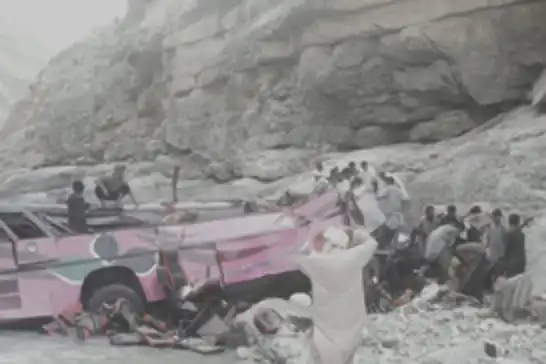
At least 40 people were killed and eight others injured after a passenger bus plunged into a deep ravine in southwestern Pakistan on Friday, local officials said.
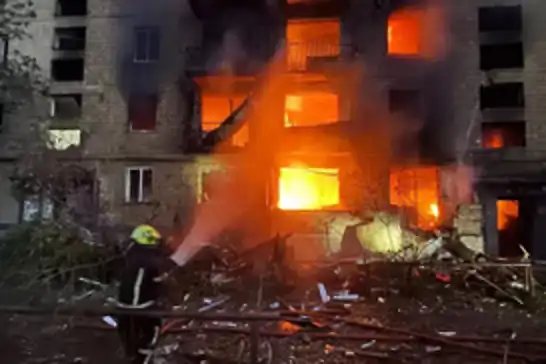
Russia launched a massive, coordinated wave of missiles and strike drones against Kyiv overnight, killing at least 30 people and injuring 91 others, Ukrainian officials said Thursday.
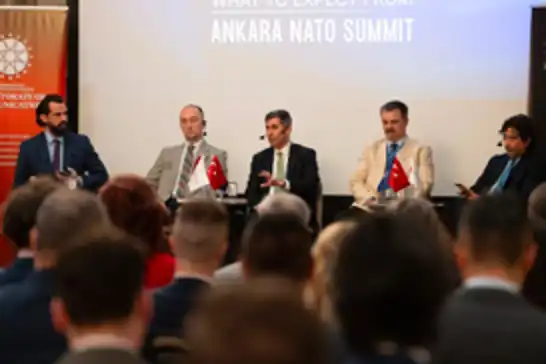
Türkiye's Directorate of Communications organized a panel in Croatia's capital, Zagreb, on Thursday to discuss NATO's future security agenda, burden-sharing and emerging global challenges ahead of the NATO Heads of State and Government Summit to be held in Ankara on July 7–8.