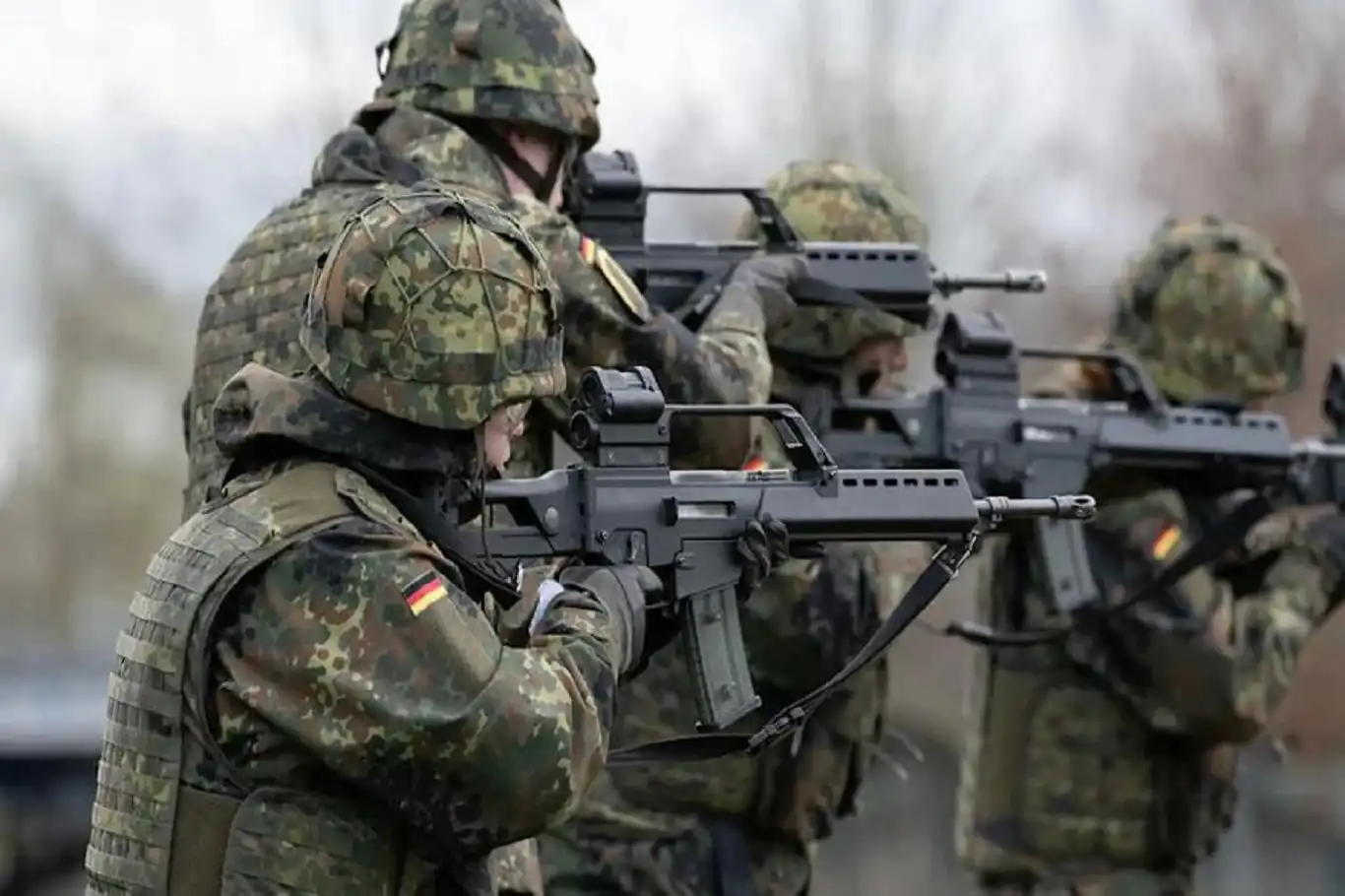
Germany set to introduce mandatory military service registration From 2026
 13 oC
13 oC 
Güneşli

The measure includes compulsory registration, medical screening, and a mandatory questionnaire assessing health, education, fitness, and willingness to serve.
The government says the new system is necessary to meet personnel targets linked to NATO commitments and to strengthen national defence amid growing security concerns in Europe.
Jens Spahn, chairman of the CDU/CSU parliamentary group, said the reform marks a major shift in Germany’s defence policy.
“Modern military service is coming,” Spahn said. He added that the agreement establishes a binding personnel growth plan, with the Defence Ministry required to report progress to the Bundestag every six months.
Around 700,000 young men born in 2008 or later will receive letters directing them to complete the registration process. Women will also receive information, but unlike men, they are not obligated to reply.
Defence Minister Boris Pistorius said Europe was looking to Germany “not only in terms of money, weapons and procurement, but also in terms of personnel.” He said he remains confident that voluntary military service will meet current needs.
Under the agreement, the system will operate in two phases. The first phase relies on voluntary service. If volunteer numbers fail to meet Bundeswehr recruitment requirements, a separate law would allow the government to activate compulsory military service.
SPD parliamentary leader Matthias Miersch said the government hopes voluntary enlistment will be sufficient but confirmed that the law includes provisions for a full return to conscription if necessary.
Pistorius noted that if compulsory service is reinstated, exemptions will apply, including for police officers, conscientious objectors, civil defence volunteers, and families where two brothers have already served. After exemptions, a selection process may be used as a last resort.
According to Defence Ministry planning, Germany may be capable of drafting entire age cohorts by July 2027, starting with men born in 2008.
The reform follows months of coalition negotiations and growing pressure from NATO for Germany to expand its military readiness. The Bundeswehr currently faces a significant personnel shortfall, and officials warn that new units and defence upgrades cannot be staffed without an expanded recruitment system.
The mandatory questionnaire for men will go online in 2026, while women and non-binary individuals may complete it voluntarily.
The CDU/CSU secured its demand to make future increases in Bundeswehr personnel legally binding, while the SPD and coalition partners agreed to maintain voluntary service as the initial mechanism.
The new system marks Germany’s most significant change to military recruitment policies since the suspension of conscription in 2011. (ILKHA)
LEGAL WARNING: All rights of the published news, photos and videos are reserved by İlke Haber Ajansı Basın Yayın San. Trade A.Ş. Under no circumstances can all or part of the news, photos and videos be used without a written contract or subscription.

Türkiye has called on the European Union to adopt a more inclusive approach to its emerging trade, competition, and industrial policies, arguing that closer integration with Ankara would enhance the bloc's competitiveness and strengthen Europe's economic security.
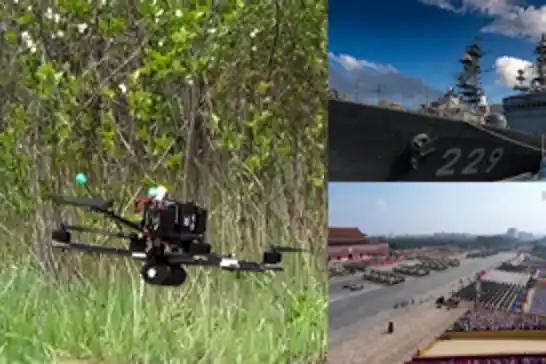
Japan has unveiled a new defense strategy emphasizing the rapid adoption of drone technology, artificial intelligence, and advanced weapons systems, as Tokyo seeks to modernize its military capabilities in response to an increasingly complex regional security environment.

A 41-year-old Salvadoran migrant died while in the custody of U.S. Immigration and Customs Enforcement (ICE), renewing criticism of President Donald Trump's hardline immigration policies and prompting fresh calls for greater oversight of the country's immigration detention system.

Argentina on Tuesday expressed regret over Brazil’s decision to downgrade bilateral diplomatic relations to the level of chargé d’affaires, accusing Brasília of isolating itself for ideological reasons as tensions between Presidents Javier Milei and Luiz Inácio Lula da Silva reached a new high.