Argentina regrets Brazil's decision to downgrade diplomatic relations

 13 oC
13 oC 
Güneşli

Argentina on Tuesday expressed regret over Brazil’s decision to downgrade bilateral diplomatic relations to the level of chargé d’affaires, accusing Brasília of isolating itself for ideological reasons as tensions between Presidents Javier Milei and Luiz Inácio Lula da Silva reached a new high.
Argentina’s foreign ministry said Brazilian Foreign Minister Mauro Vieira summoned the Argentine ambassador in Brasília, Daniel Raimondi, informed him of the move, and requested his return to Argentina. “Argentina takes note of the unilateral decision adopted by the Government of Brazil and regrets its decision to continue isolating itself from the rest of the region for purely ideological reasons,” the ministry stated. It added that Buenos Aires had deliberately avoided turning political disagreements between the two leaders into formal diplomatic incidents in recent years.
Brazil confirmed it would maintain its embassy in Buenos Aires under a chargé d’affaires while Milei continues his attacks on Lula. Brazilian Ambassador Julio Bitelli, recalled for consultations late last month, will not return for now. The decision followed Milei’s latest remarks in an interview, in which he again labeled Lula an “ex-convict,” “thief,” and “corrupt.” Brazilian sources indicated the lower level of representation would remain in place as long as such comments persist.
The crisis intensified after Milei appeared at a Liberal Party event in São Paulo on July 25 supporting opposition presidential candidate Flávio Bolsonaro, son of former President Jair Bolsonaro. There, Milei sharply criticized Lula, Brazil’s Supreme Federal Court, and other institutions, referring to Lula in highly derogatory terms and calling Supreme Court Justice Alexandre de Moraes “trash.” Brazil responded by recalling Bitelli. Lula has not personally commented on the latest exchanges.
Brazilian officials described Milei’s interventions as an unprecedented provocation in more than two centuries of bilateral relations and interference in Brazil’s internal affairs ahead of the country’s October presidential election, in which Lula currently leads the polls. Argentina’s presidential spokesman framed the dispute as stemming from “ideological and political differences.”
The two South American giants—core partners in the Mercosur trade bloc—have not held an official bilateral meeting since Milei took office in December 2023. Brazil has not severed relations or closed its embassy, and consular services and commercial ties are expected to continue; Brazil remains Argentina’s largest trading partner. Diplomats on both sides note the downgrade marks one of the strongest formal responses Brazil has taken toward Milei’s government and the lowest level of representation between the neighbors in decades without a full rupture.
As of Wednesday, neither side had announced further reciprocal measures, though some Argentine diplomatic sources suggested Buenos Aires might eventually match the representation level to restore parity. The episode underscores deepening personal and ideological rifts between the libertarian Argentine leader and Brazil’s left-leaning president at a sensitive moment for regional politics and trade. (ILKHA)
LEGAL WARNING: All rights of the published news, photos and videos are reserved by İlke Haber Ajansı Basın Yayın San. Trade A.Ş. Under no circumstances can all or part of the news, photos and videos be used without a written contract or subscription.

Three migrants, including a 10-year-old child, died Monday after a small boat carrying more than 100 people encountered difficulties while attempting to cross the English Channel from northern France to the United Kingdom, French authorities said.

The death toll from severe flooding triggered by heavy monsoon rains in India's northern Uttar Pradesh state has risen to 81, while 62 others have been injured.
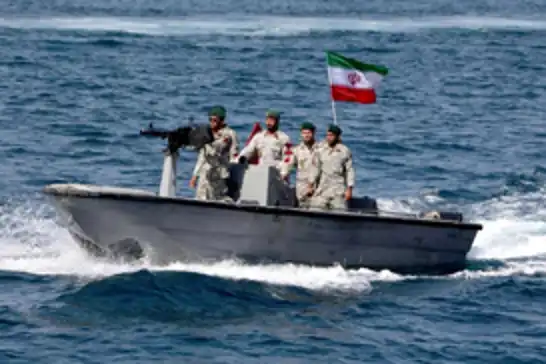
Eight US Marines were injured during an operation carried out by the Islamic Republic of Iran against a vessel in the Strait of Hormuz on September 14, according to reports.
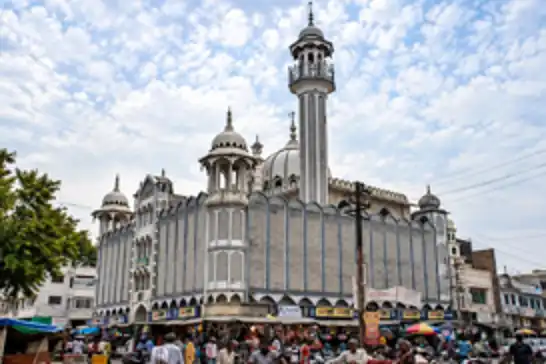
Hundreds of Muslims gathered inside the historic Shahi Masjid in Ujjain, Madhya Pradesh, to oppose plans to remove part of the mosque as part of a road-widening project being carried out ahead of the 2028 Simhastha Kumbh pilgrimage.