IMO launches large-scale evacuation for over 11,000 stranded seafarers in Strait of Hormuz
 13 oC
13 oC 
Güneşli

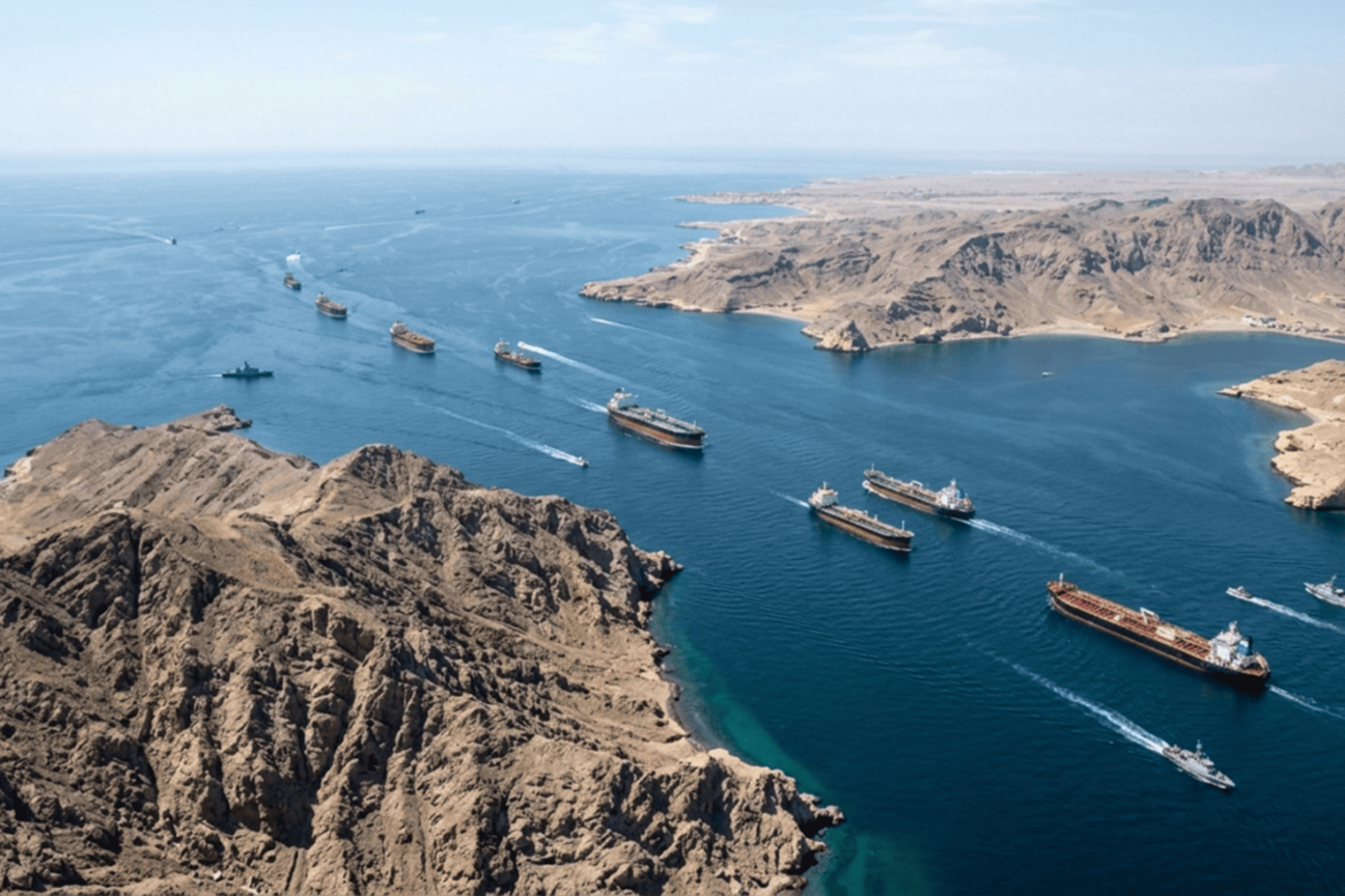
The International Maritime Organization (IMO) has announced an evacuation plan for more than 11,000 seafarers still stranded in the Strait of Hormuz, following recent diplomatic and maritime security developments in the region.
IMO Secretary-General Arsenio Dominguez said in a statement that the organization had secured the necessary safety guarantees and verified safe navigation conditions to support the evacuation operation.
According to the IMO, the operation is being coordinated in close cooperation with regional stakeholders, including Iran, Oman, other neighbouring states, and representatives of the global maritime industry.
The evacuation plan follows a series of diplomatic developments, including the signing of a memorandum of understanding between Iran and the United States, which has contributed to a gradual easing of tensions in the strategically vital waterway.
IMO officials stated that maritime traffic management and safety protocols have improved in recent days, allowing for coordinated efforts to assist stranded crews and restore more stable navigation conditions through the Strait.
While the organization did not provide a detailed timeline for the evacuation, it confirmed that operations will proceed in phases, prioritizing the safe movement of vessels and personnel.
In a parallel development, Ali Bahreini, Iran’s ambassador and permanent representative to the United Nations Office in Geneva, announced that the Strait of Hormuz has been fully reopened to commercial shipping without tolls.
Bahreini said that the current arrangements are temporary and will be reviewed after 60 days, depending on the progress of ongoing negotiations between Iran and the United States.
He emphasized that maritime traffic is now operating under improved conditions, with commercial vessels once again transiting the strait.
Recent updates from maritime tracking services and shipping industry sources indicate that vessel movement through the Strait of Hormuz has begun to normalize, although operators continue to exercise caution amid evolving security arrangements.
Shipping companies have reportedly resumed limited operations in coordination with regional authorities, while insurers and logistics providers are reassessing risk levels in the area.
The Strait of Hormuz, one of the world’s most critical energy transit routes, has experienced heightened tensions in recent months, raising concerns over global supply chain stability and maritime security.
The IMO stated that continued cooperation between regional governments and international partners remains essential to ensuring long-term stability in the waterway.
Efforts are expected to focus on strengthening maritime safety mechanisms, improving communication systems, and supporting confidence-building measures between stakeholders.
Officials stressed that while recent developments mark a positive step toward de-escalation, sustained diplomatic engagement will be necessary to prevent future disruptions and ensure uninterrupted global maritime trade. (ILKHA)
LEGAL WARNING: All rights of the published news, photos and videos are reserved by İlke Haber Ajansı Basın Yayın San. Trade A.Ş. Under no circumstances can all or part of the news, photos and videos be used without a written contract or subscription.
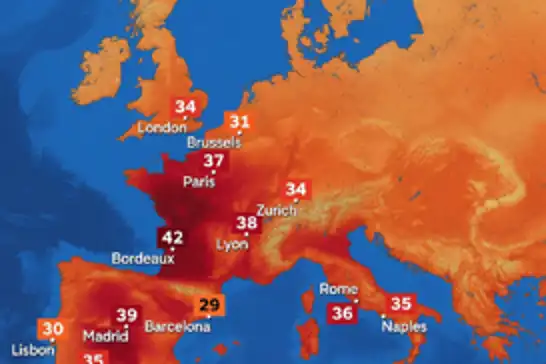
France is preparing for another day of extreme temperatures as a severe heatwave continues to grip much of Europe, prompting widespread weather alerts, power disruptions, and wildfire risks.
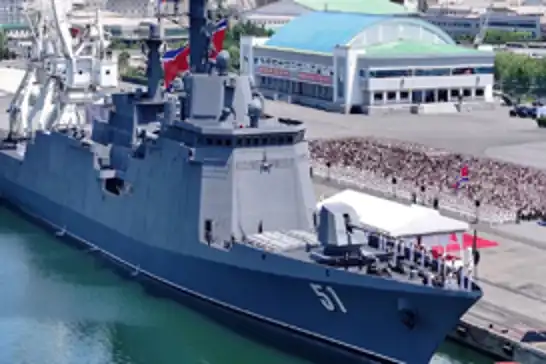
North Korean leader Kim Jong Un has unveiled a new military program aimed at significantly expanding the country’s naval capabilities, including the construction of warships capable of carrying nuclear weapons. The announcement comes amid rising regional tensions and follows his recent public defense of expanding the country’s nuclear arsenal.
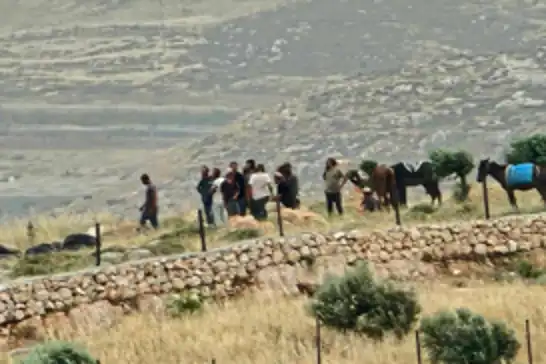
Four Palestinians were injured on Wednesday after Israeli settlers attacked homes and agricultural land in the town of Yatta, south of Hebron, in the southern occupied West Bank, according to local sources.
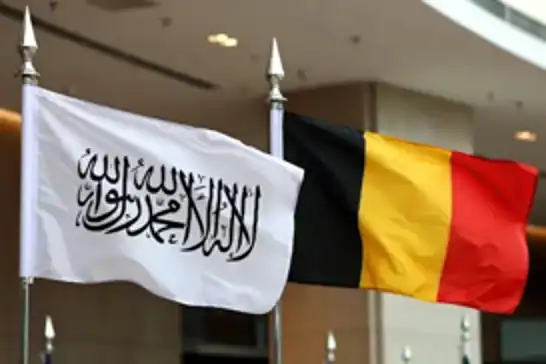
Officials from the European Union and a delegation representing the Islamic Emirate of Afghanistan have concluded a round of technical-level discussions in Brussels, focusing on migration management, the repatriation of rejected Afghan asylum seekers, and the restoration of limited consular cooperation.