Indonesia deploys oxygen bus as forest fire haze triggers health crisis
 13 oC

Güneşli

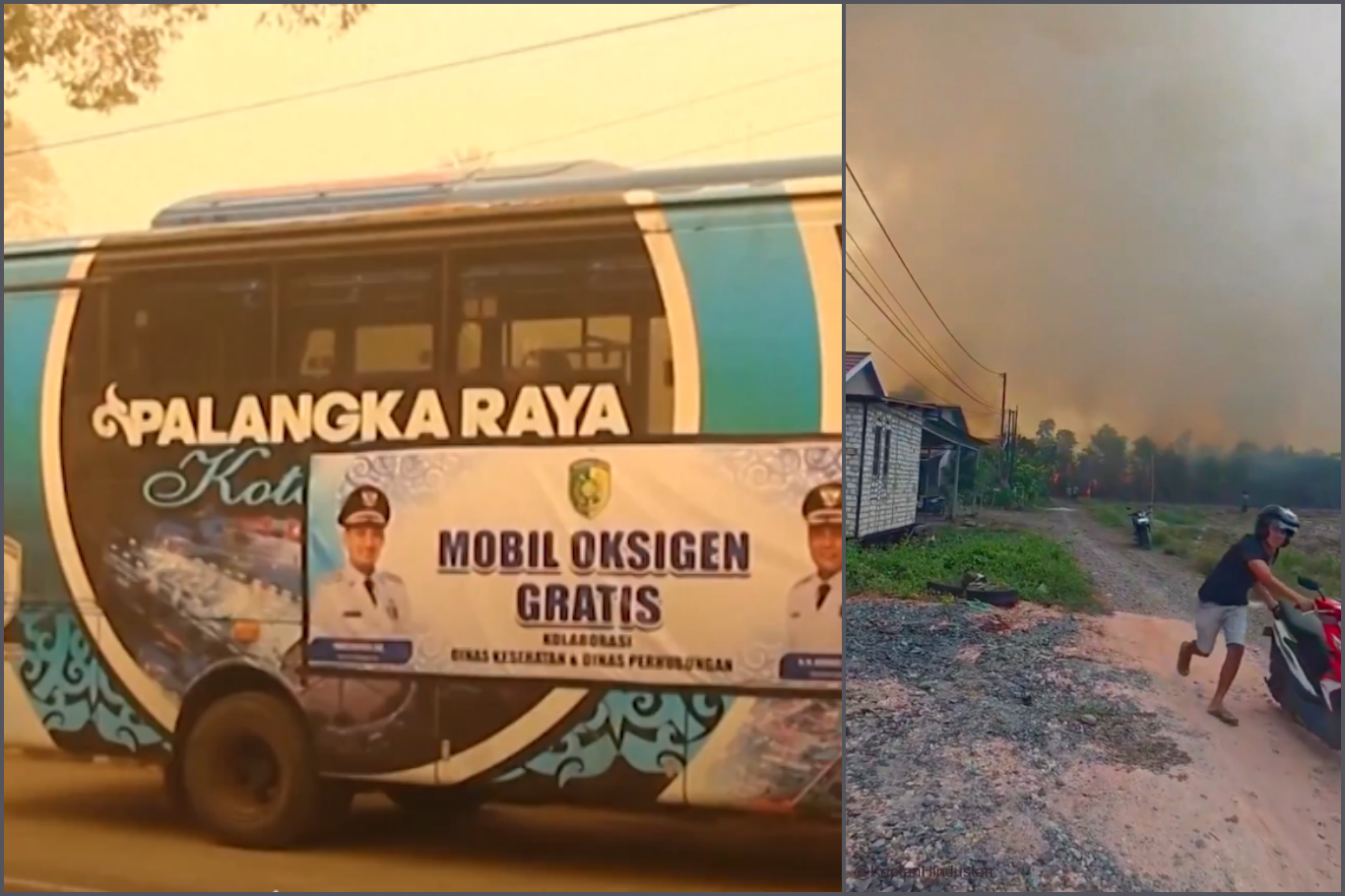
Indonesian authorities have deployed a bus equipped with oxygen tanks and medical personnel to help residents struggling to breathe as forest fires across the country’s Borneo island fuel severe air pollution, with an intense El Niño weather pattern prolonging dry conditions.
The bus, operating in Palangka Raya, the capital of Central Kalimantan province, provides oxygen support to people experiencing breathing difficulties. Patients can receive oxygen through nasal tubes for five to 10 minutes at a time, according to the provincial health department.
Indonesia regularly battles seasonal forest fires, particularly on the islands of Sumatra and Borneo. However, this year’s fires are among the most intense in more than a decade, with smoke blanketing communities and affecting air quality across Indonesia, Malaysia and Singapore.
Some areas of Borneo and Sumatra have recorded air pollution index readings exceeding 1,000, far above the threshold of 300 classified as hazardous, according to reports.
Indonesia’s Health Ministry recorded approximately 350,000 cases of respiratory illness linked to the fires nationwide between August and October 25, including around 31,000 in Central Kalimantan.
Residents seeking help at the oxygen bus have reported persistent coughing, chest tightness and breathing difficulties as thick smoke continues to blanket residential areas.
The fires have been exacerbated by an intense El Niño weather phenomenon, which has raised temperatures and reduced rainfall, leaving forests and peatlands increasingly vulnerable to ignition and prolonged burning.
Indonesia’s Meteorology, Climatology and Geophysics Agency warned in September that dry conditions and elevated fire risks remained a serious concern, particularly across Sumatra and Kalimantan. The agency said El Niño could persist into early 2027, potentially prolonging the threat.
Peatland fires are particularly difficult to extinguish because flames can spread beneath the ground and continue smouldering even when surface fires appear to have subsided. Prolonged drought makes these landscapes more susceptible to burning.
NASA satellite observations in September showed extensive fire activity across Borneo, with numerous fires concentrated in the island’s southern areas. Scientists have warned that the 2026 fire season could approach the severity of previous major wildfire years, including 2015.
Although recent rainfall has helped reduce fire hotspots in some areas, authorities remain on high alert because the precipitation has not been sufficient to extinguish persistent blazes. The delayed arrival of the rainy season has added to concerns that fires could continue.
The smoke has become a regional environmental and public health problem, with haze affecting neighbouring countries and disrupting everyday life.
In Malaysia, deteriorating air quality has prompted school closures in affected areas, while reduced visibility has disrupted flights in parts of Indonesian Borneo. Singapore and other parts of Southeast Asia have also experienced worsening air pollution.
The crisis has renewed concerns about the recurring impact of land and forest fires on regional health, ecosystems and economic activity.
Forest and peatland burning in Indonesia has frequently been associated with land clearance for agriculture and plantations. Environmental researchers warn that drained peatlands and degraded forests can become highly combustible during prolonged dry spells, allowing fires to spread rapidly and release large quantities of greenhouse gases.
The fires also pose risks to biodiversity and carbon-rich ecosystems, while smoke exposure is particularly dangerous for children, older people and those with existing respiratory conditions.
As the haze persists, residents and students have called for a stronger response from authorities.
Hundreds of students protested outside the Central Kalimantan governor’s office last week, demanding more decisive action to tackle the fires and protect communities from hazardous air pollution.
Indonesia has expanded firefighting operations and deployed personnel and aircraft to contain the blazes. Authorities have also pursued additional fire-suppression measures as they await more substantial rainfall.
The oxygen bus is providing temporary relief for people affected by the polluted air, but the continuing fires underscore the scale of the challenge facing emergency responders.
With dry conditions expected to persist in some areas and peatland fires proving difficult to extinguish, the crisis highlights the need for sustained firefighting efforts, stronger fire prevention and measures to protect vulnerable communities from prolonged exposure to hazardous smoke. (ILKHA)
LEGAL WARNING: All rights of the published news, photos and videos are reserved by İlke Haber Ajansı Basın Yayın San. Trade A.Ş. Under no circumstances can all or part of the news, photos and videos be used without a written contract or subscription.

Afghanistan’s Minister of Economy, Qari Din Mohammad Hanif, has met with Japan’s ambassador to Kabul and the head of the Japan International Cooperation Agency (JICA) to discuss expanding economic cooperation, development projects and humanitarian assistance for vulnerable communities.
India has deployed hundreds of additional security personnel in its northeastern state of Arunachal Pradesh following violent protests against a proposed mega-dam intended to counter China's planned hydropower project upstream in Tibet.

Syrian authorities have arrested 15 former officials of the Bashar al-Assad regime, including Assad’s cousin Yahya al-Assad, as part of ongoing operations targeting former military, intelligence and security figures accused of involvement in crimes and violations during the previous government.