Iran links Strait of Hormuz reopening to end of US hostilities
 13 oC

Güneşli

Iran is preparing to establish a new shipping corridor through the strategically vital Strait of Hormuz, but Tehran says the waterway will not be fully reopened unless the United States halts its attacks and other hostile actions against Iran.
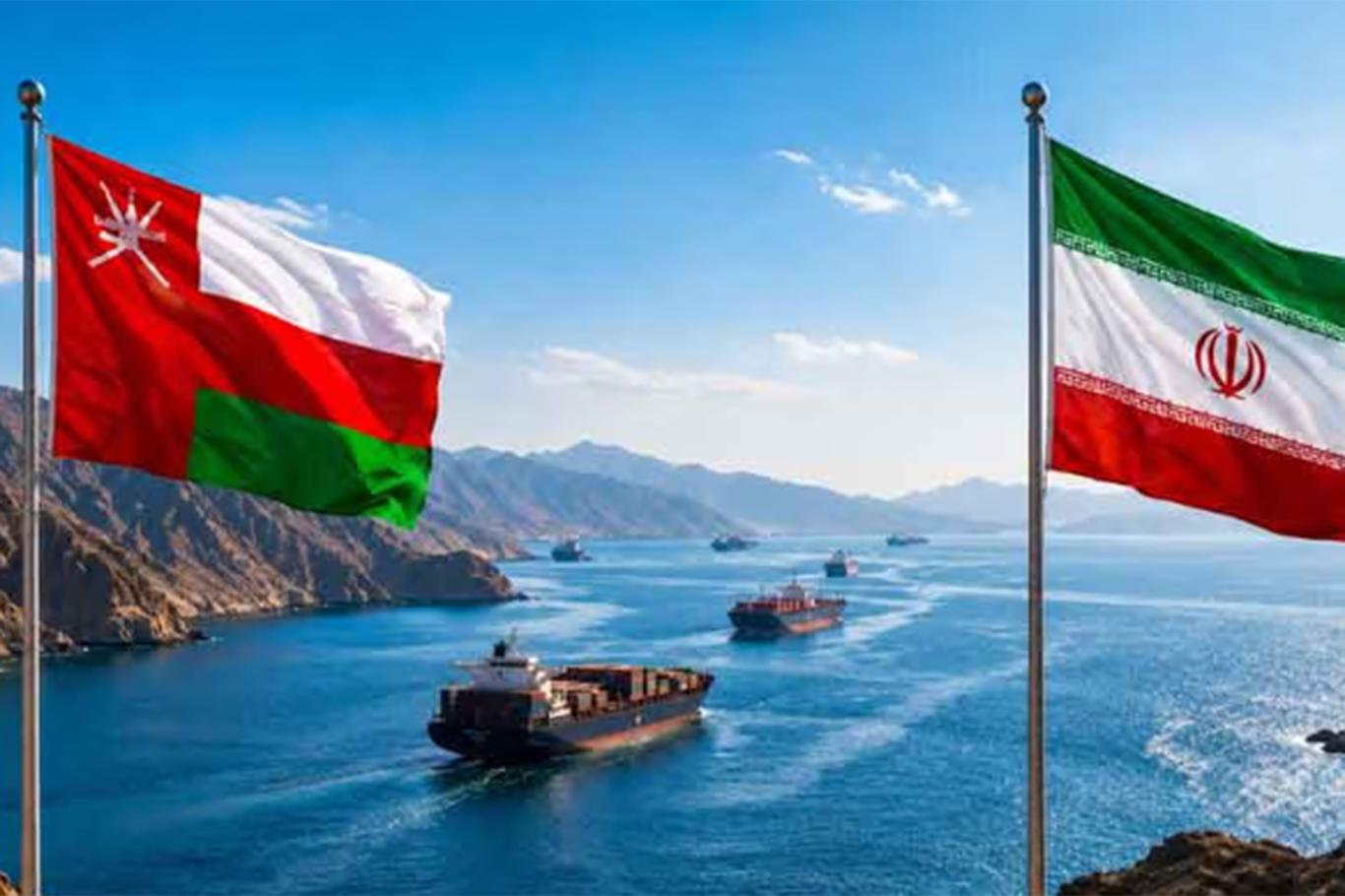
Mohsen Rezaei, secretary of Iran’s Supreme National Security Council, said Sunday that an agreement with Oman on establishing a temporary shipping corridor is expected to be signed in the coming days.
Speaking to Iranian state television, Rezaei said Tehran would oversee the movement of vessels entering and leaving the proposed corridor, emphasizing Iran’s determination to maintain control over maritime traffic through waters of vital strategic importance.
Iran and Oman have been negotiating arrangements for a temporary shipping route through the Strait of Hormuz, with portions of the proposed corridor passing through Iranian and Omani waters.
The talks are part of diplomatic efforts to restore commercial shipping through the strait, a crucial global energy artery through which roughly one-fifth of the world's oil and liquefied natural gas shipments passed before the war began in February.
Rezaei stressed that Iran would only guarantee the continued opening of the waterway if Washington refrains from further attacks and what Tehran describes as acts of sabotage.
He said the absence of credible guarantees was a major weakness in a memorandum of understanding reached between Washington and Tehran in June. The agreement was intended to end the conflict and establish a framework for broader negotiations, but disputes over its implementation eventually caused the arrangement to unravel.
Under the agreement, Washington was expected to lift its naval blockade of Iran, while Tehran would facilitate the safe passage of commercial vessels through the Strait of Hormuz.
Despite negotiations over the proposed corridor, Rezaei insisted that Tehran considers the Strait of Hormuz “completely closed.”
He said only seven or eight vessels were currently passing through the waterway each day, with five or six of them carrying essential goods for Iran.
Rezaei rejected the notion that such limited traffic amounted to a reopening of the strait. He claimed that US forces had occasionally facilitated the passage of several vessels through waters near Oman, but said some of those vessels were subsequently targeted and failed to pass through safely.
For Tehran, such limited movements do not constitute a genuine reopening of the strategic waterway.
Rezaei also announced that Iran would soon establish a restricted zone around the Strait of Hormuz as part of tighter controls over maritime traffic.
He warned that vessels entering the restricted area could be placed on an Iranian sanctions list and subsequently barred from transiting the strait without Tehran’s approval.
The Iranian security official said Tehran was tightening its restrictions in the waterway and argued that the economic impact of Iran’s measures could ultimately be greater than that of its missile operations.
The comments underline the strategic importance Iran attaches to the Strait of Hormuz and its willingness to use its geographic position to counter US military and economic pressure.
Rezaei also said Iran had recently conducted a significant new military test, claiming that the country had tested a domestically produced missile launched from a destroyer against a US naval vessel approximately 48 hours earlier.
His remarks came amid renewed maritime tensions between Tehran and Washington.
US Central Command said Saturday that American forces had struck three Iranian crude oil tankers after Iran’s Islamic Revolutionary Guard Corps launched ballistic missiles toward two US Navy warships.
Iran, meanwhile, has continued to present its military measures as defensive actions intended to deter further attacks and protect the country’s sovereignty.
Rezaei also sought to dismiss claims that the US blockade and disruption of Iranian oil exports were pushing the country toward economic collapse.
He said Iran had sufficient stocks of food and other essential goods and maintained that Tehran continued to export oil and receive payments for its shipments.
The US naval blockade has nevertheless sharply restricted the movement of vessels entering and leaving Iranian ports, placing additional pressure on the country’s oil exports, a key source of government revenue and foreign currency.
Despite mounting economic and military pressure, Iranian officials have maintained that Tehran will not surrender its strategic interests or accept conditions imposed through force.
For Iran, the future of the Strait of Hormuz is therefore inseparable from the wider confrontation with Washington. Tehran is signaling that any full reopening of the vital waterway will depend not only on commercial arrangements, but also on an end to US military pressure and credible guarantees against further hostile actions. (ILKHA)
LEGAL WARNING: All rights of the published news, photos and videos are reserved by İlke Haber Ajansı Basın Yayın San. Trade A.Ş. Under no circumstances can all or part of the news, photos and videos be used without a written contract or subscription.
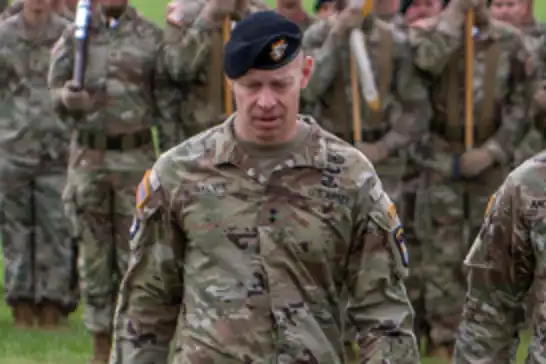
US Defense Secretary Pete Hegseth has dismissed Army Lieutenant General Brett Sylvia, a senior military strategist at the Pentagon, amid an expanding crackdown on officials suspected of leaking classified information about Washington’s war against Iran.

Four people were killed and 11 others injured on Thursday when an Italian military helicopter serving with the European Union's peacekeeping mission in Bosnia and Herzegovina crashed during a routine mission near the northern town of Brčko, according to local medical officials and EUFOR.
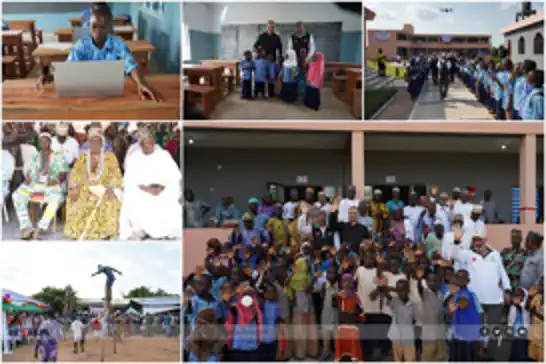
The Hope Caravan Foundation (Umut Kervanı Vakfı) has inaugurated a new school complex in the Savé region of Benin, providing hundreds of local students with access to education and modern learning facilities.

Qatar's Ministry of Foreign Affairs has rejected allegations that it interfered in the occupation regime's elections or financed activities aimed at influencing the outcome of the vote.