Iran, Oman reach final stage of drafting new navigation framework for Strait of Hormuz
 13 oC
13 oC 
Güneşli

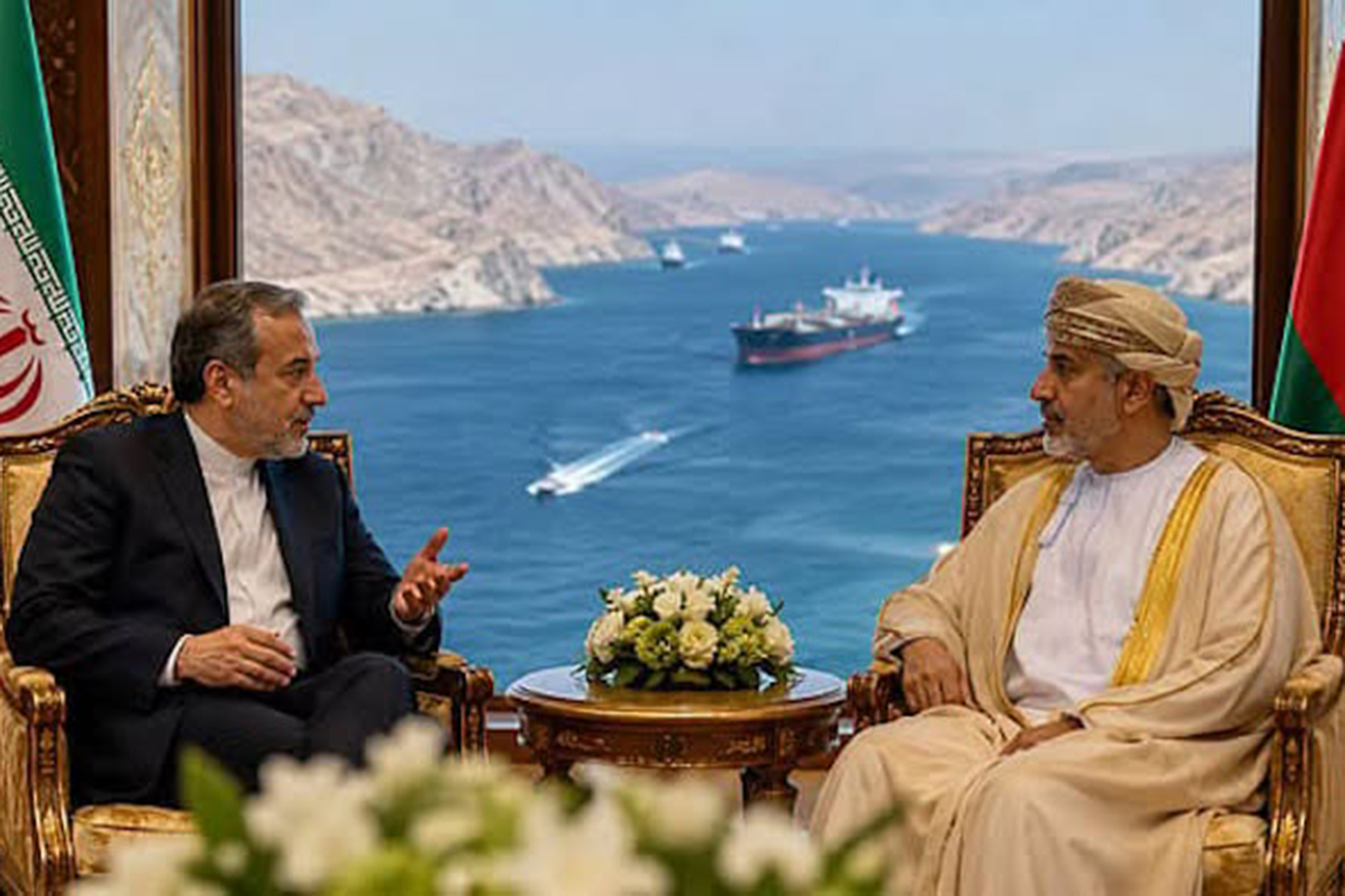
Iran and Oman have reached the final stages of drafting a new framework governing navigation through the Strait of Hormuz, with officials from both countries reporting significant progress on arrangements that could reshape the management of one of the world's most strategically important maritime corridors.
Iranian Deputy Foreign Minister for Legal and International Affairs Kazem Gharibabadi said Tehran and Muscat have reached preliminary understandings on nearly all outstanding issues concerning navigation in the Strait, including vessel transit routes and operational procedures.
"We have reached the final stages of drafting the understandings," Gharibabadi said in an interview with the Iranian state news agency IRNA, noting that discussions have included detailed maps outlining new entry and exit routes for ships transiting the waterway.
According to Gharibabadi, the proposed arrangement is intended as a temporary navigation framework that could remain in effect for between two and four months—or longer—depending on developments and implementation.
If the agreement enters into force, vessels passing through the Strait of Hormuz would use newly designated shipping lanes, with a substantial portion of the routes passing through Iranian territorial waters.
He explained that the temporary routes currently being used would be discontinued once the new system is implemented.
The deputy foreign minister described the proposed arrangement as a new model for managing navigation in the Strait of Hormuz, differing significantly from the mechanism that has governed maritime traffic in the strategic waterway for the past six decades.
Gharibabadi said the full reopening of the Strait of Hormuz remains tied to Washington's compliance with the Islamabad memorandum of understanding, which Tehran considers a prerequisite for moving to the next stage of the process.
He clarified that the bilateral understanding with Oman is separate from the implementation of the memorandum's fifth clause and said any decision to proceed further would depend on assessments by Iran's senior leadership regarding whether the United States is prepared to honor its commitments.
"The United States sent a message requesting negotiations and resolving issues five days after the start of a new round of confrontation," he said.
Discussing the financial aspects of the memorandum, Gharibabadi said the agreement stipulates that Iran would not bear any financial obligations during the first 60 days after its signing.
He noted that resolving financial matters is linked to the second phase of the agreement and to future decisions on whether the Strait will be fully reopened.
"We do not face a unilateral commitment whereby the Islamic Republic of Iran alone would open the Strait of Hormuz. Our surrounding conditions would remain similar to wartime conditions, and this is completely unacceptable," he said.
The Iranian official also expressed skepticism over U.S. assurances, arguing that previous failures by Washington to fulfill its commitments have undermined confidence. He said a new political commitment or formal declaration could help rebuild a degree of trust.
Gharibabadi rejected U.S. claims that direct negotiations with Tehran are currently underway.
"The United States' claim that it is negotiating with Iran is incorrect. There are no negotiations. Of course, we have received messages from the United States," he said.
According to the deputy foreign minister, the messages indicate Washington's willingness to return to its previous commitments, but Tehran has yet to decide whether conditions are suitable for entering the second phase of the process.
He also said no final decision has been taken regarding a possible visit by Iran's parliament speaker and foreign minister to Pakistan. (ILKHA)
LEGAL WARNING: All rights of the published news, photos and videos are reserved by İlke Haber Ajansı Basın Yayın San. Trade A.Ş. Under no circumstances can all or part of the news, photos and videos be used without a written contract or subscription.

The Yemeni Armed Forces (YAF) announced on Thursday that they had carried out a large-scale military operation targeting Saudi military positions and reinforcements, inflicting heavy casualties and significant material losses amid escalating tensions between the two sides.

Italy has placed all 27 major cities monitored by the Health Ministry under the highest-level red heat alert for the first time on record, as the country grapples with its fourth major heatwave of 2026 and temperatures continue to soar across much of the peninsula.
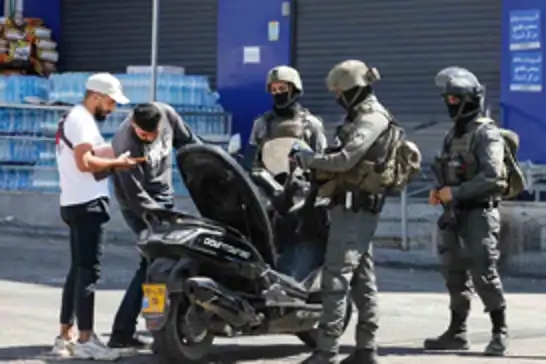
At least 16 Palestinians have been injured since Israeli occupation forces launched their ongoing military raid on Qalandia refugee camp and the nearby town of Kafr Aqab, north of occupied Jerusalem, according to the Palestine Red Crescent Society.

The United States has approved a potential $270 million Foreign Military Sale (FMS) of M795 155mm high-explosive artillery shells and related support to Norway, a move aimed at strengthening Oslo's artillery capabilities as NATO allies continue to replenish ammunition stockpiles amid heightened security concerns in Europe.