Iran ready to fulfill obligations if Washington upholds agreement, says Pezeshkian
 13 oC
13 oC 
Güneşli

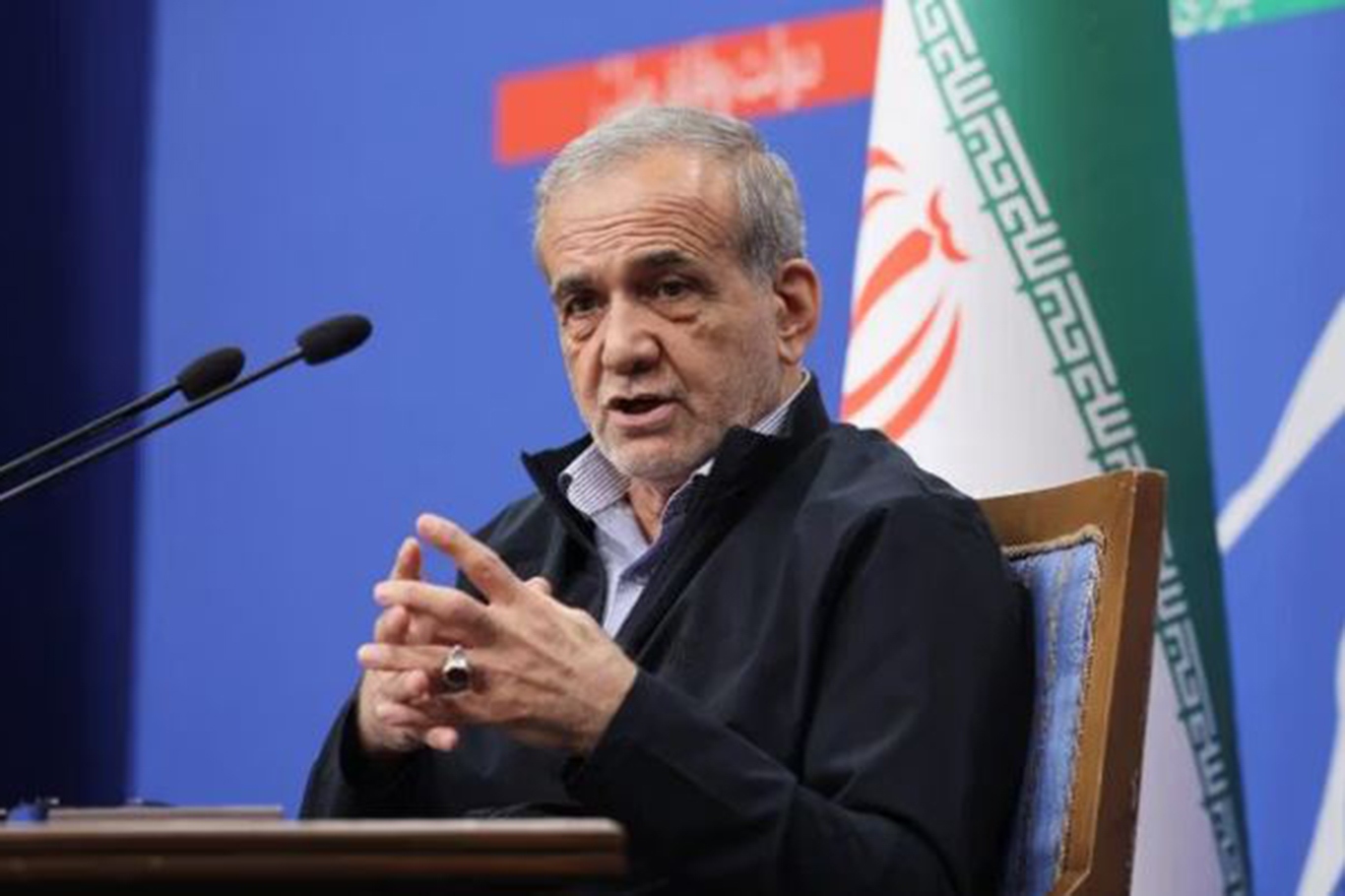
Iranian President Masoud Pezeshkian has reaffirmed that the Islamic Republic remains committed to implementing the memorandum of understanding reached with the United States, but stressed that Tehran's obligations are contingent upon Washington fulfilling its own commitments under the agreement.
In remarks published on his social media account, Pezeshkian emphasized that adherence to the memorandum must be mutual, describing the agreement as a two-way commitment that requires both parties to respect its provisions.
“Understanding is a two-way matter. If the American side adheres to the memorandum of understanding, we too will fulfil our commitments,” the Iranian president stated.
Pezeshkian underscored Iran's preference for diplomacy and rational engagement, while warning that the country would respond firmly to threats or acts of aggression.
“Our approach in the face of unreasonable bluster and baseless threats is reliance on rationality and human dignity in decision-making, and decisive and bold defence when it comes to action,” he said.
The president's comments come amid renewed tensions between Tehran and Washington that have placed the June 18 ceasefire agreement under significant strain.
Over recent days, military exchanges between the two countries have raised concerns about the future of the memorandum of understanding, which was designed to halt hostilities, reduce regional tensions, and facilitate the safe movement of commercial shipping through the strategically vital Strait of Hormuz.
Iranian officials have accused the United States of violating the agreement through recent military operations targeting Iranian positions. According to Tehran, American airstrikes against Iranian coastal surveillance and military facilities constituted a direct breach of the memorandum and undermined efforts to preserve regional stability.
Iran's Foreign Ministry strongly condemned the U.S. attacks, describing them as a blatant violation of both the ceasefire arrangement and international law.
In response to the strikes, the Islamic Revolutionary Guard Corps (IRGC) announced that it had targeted U.S. military facilities in the Gulf region, including positions in Kuwait and Bahrain. Iranian officials characterized the operation as a defensive response to what they called American aggression.
Tehran has repeatedly maintained that any attempt to pressure Iran through military means would be met with a firm response, while insisting that diplomacy remains the preferred path for resolving disputes.
Despite the recent escalation, both Iran and the United States have indicated a willingness to continue diplomatic engagement aimed at preserving the memorandum of understanding and preventing a broader regional confrontation.
Analysts note that the agreement remains crucial for maintaining stability in the Persian Gulf, particularly regarding navigation through the Strait of Hormuz, a key artery for global energy shipments.
Pezeshkian's latest remarks signal that Iran remains open to implementing the agreement but expects Washington to demonstrate the same level of commitment.
As diplomatic efforts continue, regional and international observers are closely monitoring developments, amid concerns that further violations or military incidents could jeopardize the fragile ceasefire and reignite wider conflict in the region. (ILKHA)
LEGAL WARNING: All rights of the published news, photos and videos are reserved by İlke Haber Ajansı Basın Yayın San. Trade A.Ş. Under no circumstances can all or part of the news, photos and videos be used without a written contract or subscription.

The United Arab Emirates has lifted its travel ban on citizens visiting Lebanon, allowing Emirati nationals to resume travel to the country from Monday following weeks of restrictions imposed due to regional security concerns.

Ukrainian President Volodymyr Zelensky has ridiculed Russia’s repeated failures to seize the Donetsk region, stating that Moscow has set as many as 15 different deadlines for its capture since the beginning of the full-scale invasion, all of which have passed without success.
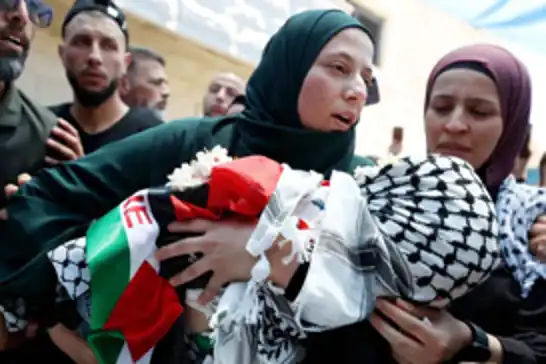
Israeli human rights organization B’Tselem has reported that 54 Palestinian children and teenagers were killed by Israeli forces in the occupied West Bank during 2025, raising serious concerns over the use of lethal force, access to medical care, and the treatment of victims’ bodies.
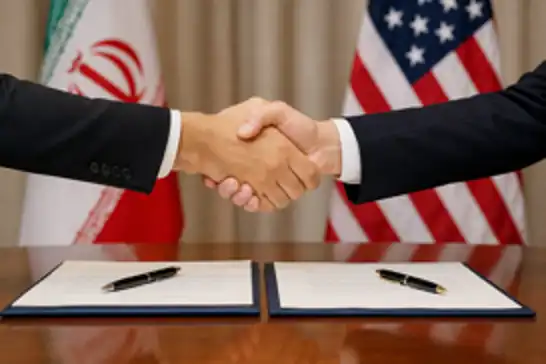
The United States and Iran have issued conflicting statements over reported technical talks in Qatar's capital, Doha, highlighting continued uncertainty over the implementation of a recent bilateral understanding while tensions remain high in the Strait of Hormuz.