Iran’s Leader: National resistance has driven adversaries into desperation
 13 oC

Güneşli

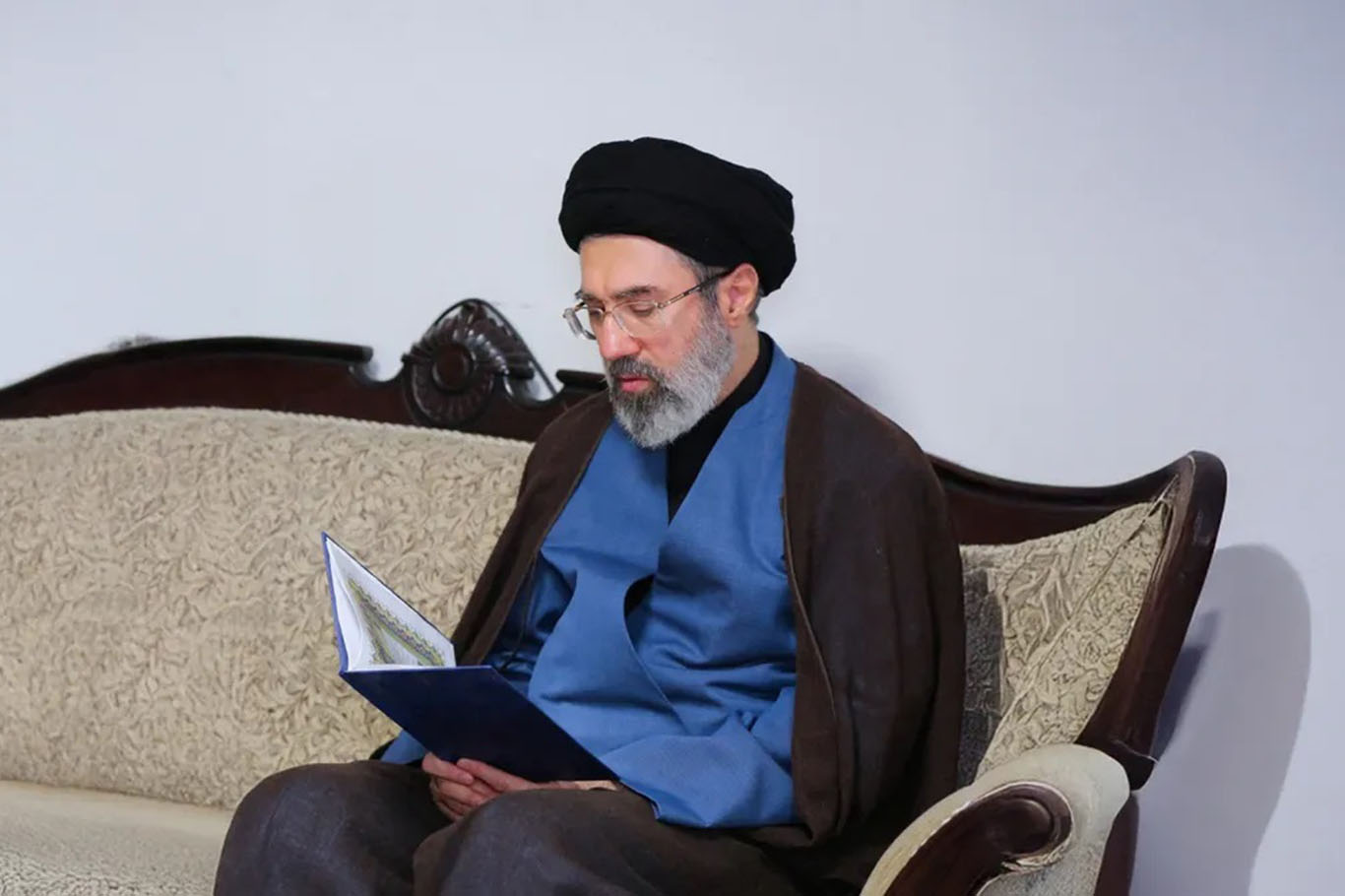
Iran’s Leader Ayatollah Seyyed Mojtaba Hosseini Khamenei has underscored the effectiveness of Iran’s national resistance, saying the desperation of its adversaries reflects the strength and resilience of the Iranian nation.
During a meeting with Major General Mohsen Rezaei, secretary of Iran’s Supreme National Security Council (SNSC), in Tehran on Tuesday, Khamenei stressed that Iranian officials must firmly pursue the country’s national interests and rights, insisting that any end to the war and the current state of “neither war nor peace” must be based on the conditions set out by Tehran.
The Leader also emphasized the need to safeguard the rights and interests of the Iranian nation and the Resistance Front, reaffirming the importance of standing firm against external pressure while pursuing a lasting resolution to the conflict.
He described the adversaries’ desperation as one of the fruits of Iran’s national resistance, highlighting the importance of preserving national unity, strengthening public confidence and maintaining the country’s determination to defend its sovereignty and interests.
Khamenei described the SNSC and its secretariat as a central hub for coordinating national policymaking, emphasizing the close links between culture, politics, the economy and security.
He said decisions in each field must be supported by complementary measures in other areas to ensure consistency and effective implementation.
The Leader stressed that successful policymaking requires a comprehensive roadmap that takes into account every stage of an initiative, from its beginning to its intended outcome.
He also highlighted the importance of strengthening national cohesion and solidarity while fostering mutual trust between the Iranian people and government officials.
Khamenei called for greater use of the capacities provided by Iran’s Constitution, particularly Article 176, to support the president and executive bodies in addressing national challenges and accelerating efforts to resolve existing problems.
Safeguarding national and regional security through the management of the Strait of Hormuz was among the key issues discussed during the meeting.
The talks also addressed the need to deepen Iran’s relations with neighboring countries on the basis of sustainable, mutually beneficial interests.
Khamenei stressed that timely and effective public communication is essential to maintaining popular participation in defending Iran, reinforcing national solidarity and protecting the country’s political system.
The emphasis on the Strait of Hormuz and regional diplomacy reflects the importance Tehran attaches to protecting its strategic interests while strengthening cooperation with neighboring states.
During the meeting, Rezaei presented a report on the country’s situation across various sectors and outlined efforts underway to address existing challenges.
The discussions highlighted the importance of coordinated governance, national unity and strategic planning as Iran continues to defend its interests, pursue its stated conditions for ending the war and seek a resolution to the current state of “neither war nor peace.”
Khamenei’s remarks reaffirmed Tehran’s position that a sustainable end to the conflict must respect Iran’s rights and interests, while the country’s national resistance and internal cohesion remain central to its approach to regional and international challenges. (ILKHA)
LEGAL WARNING: All rights of the published news, photos and videos are reserved by İlke Haber Ajansı Basın Yayın San. Trade A.Ş. Under no circumstances can all or part of the news, photos and videos be used without a written contract or subscription.
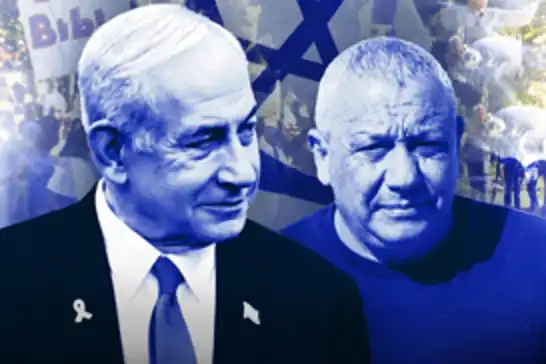
Israeli Prime Minister Benjamin Netanyahu is facing one of the most serious political challenges of his career after exit polls from the country’s October 27 election indicated that his bloc had fallen short of a parliamentary majority, amid mounting international condemnation of Israel’s genocidal war on Gaza.
Arab voter participation has surged in Israel’s elections, drawing increased scrutiny from Prime Minister Benjamin Netanyahu’s Likud party, which has sought to extend voting hours and is reportedly preparing to challenge the integrity of the vote if it suffers significant losses.
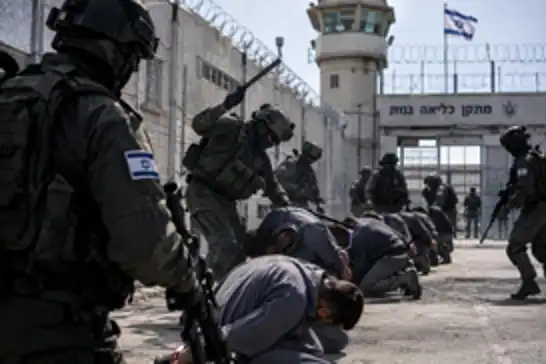
Palestinian detainees from the Gaza Strip held in Israel’s Ramla Prison are facing repeated assaults, physical abuse and alleged torture, including beatings with batons, tear gas, pepper spray, rubber bullets and stun grenades, according to the Asra Media Office (AMO).