Netanyahu’s bloc falls short of majority in Israeli eElection, exit polls show
 13 oC

Güneşli

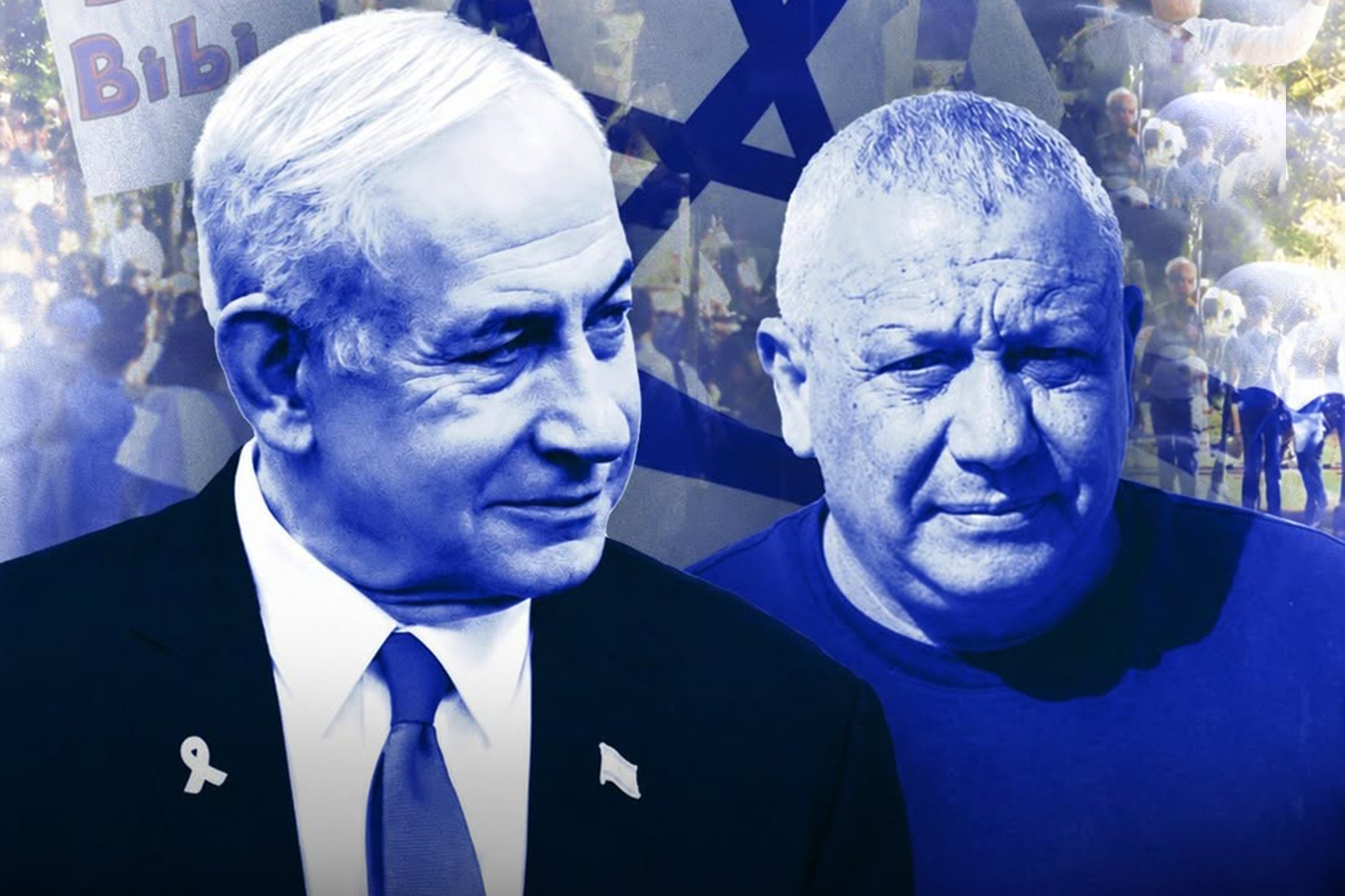
Israeli Prime Minister Benjamin Netanyahu is facing one of the most serious political challenges of his career after exit polls from the country’s October 27 election indicated that his bloc had fallen short of a parliamentary majority, amid mounting international condemnation of Israel’s genocidal war on Gaza.
The exit polls projected Netanyahu’s bloc to win around 50 seats in the 120-member Knesset, compared with 52 or 53 for the bloc led by opposition figure Gadi Eisenkot. Neither side appeared close to the 61 seats required to form a majority government, leaving Israel facing potentially prolonged coalition negotiations. Official results are not yet final.
The election marks the first national vote since the October 7, 2023, Operation Al Aqsa Flood on Israel and the devastating Israeli military campaign that followed. For Palestinians, Netanyahu’s political future is inseparable from the destruction inflicted on Gaza, where tens of thousands of people have been killed, entire neighbourhoods have been reduced to rubble and essential infrastructure has been devastated.
Netanyahu’s government faces grave accusations over its conduct in Gaza. On October 26, a United Nations commission of inquiry reported that Israel had continued committing genocidal acts after the ceasefire that began the previous October, citing genocidal intent to destroy Palestinians in Gaza in whole or in part.
The findings add to the international legal and diplomatic pressure confronting Netanyahu and other Israeli officials. A previous report by the same UN commission, published in September 2025, concluded that Israel had committed genocide in Gaza and said senior Israeli officials, including Netanyahu, had incited such acts.
For Palestinians, the accusations raise urgent questions about accountability, the protection of civilians and whether those responsible for the destruction of Gaza will face meaningful consequences.
Netanyahu has repeatedly defended Israel’s military campaign as self-defence and dismissed reports of genocide. However, the scale of Palestinian deaths and destruction, together with the UN commission’s findings, has intensified calls for an end to impunity and for international action to protect Palestinian civilians.
Despite the devastating consequences of the war, Palestinian rights and Gaza’s future received limited attention in much of the Israeli election campaign. Candidates focused heavily on Netanyahu’s leadership, the security failures surrounding October 7, military service exemptions and domestic political divisions, while the humanitarian catastrophe in Gaza remained largely absent from the central electoral debate.
This omission has fuelled criticism that the election is being treated primarily as a contest over Israeli political leadership rather than a reckoning with the consequences of the genocidal war for Palestinians.
Netanyahu’s opponents have challenged his handling of security and questioned his ability to translate military operations into lasting political gains. Yet a change of government would not, by itself, guarantee an end to occupation, accountability for international crimes or recognition of Palestinian national rights.
The projected results represent a setback for Netanyahu, whose political standing has been battered by the October 7 security failure, prolonged regional wars and growing international isolation. However, the inconclusive outcome means he could still remain in office if he can secure sufficient parliamentary support or continue as caretaker prime minister while coalition negotiations proceed.
The strong performance projected for Arab-led parties could also prove significant in efforts to assemble a governing majority. Exit polls indicated that these parties could collectively win around 18 seats, potentially giving them considerable leverage in the negotiations, although major political figures have ruled out or resisted cooperation with them.
The election’s implications extend beyond the struggle for power in Jerusalem. The central question for Palestinians remains whether any incoming Israeli government will halt attacks, allow sustained humanitarian assistance, support reconstruction and take concrete steps toward ending the occupation.
For Palestinians who have endured mass displacement, bereavement and the destruction of their homes, a possible decline in Netanyahu’s political fortunes may represent a moment of political reckoning. But meaningful justice will require more than a change in leadership: it will require accountability for alleged crimes, protection of Palestinian civilians and recognition of their fundamental rights.
As the final results and coalition negotiations unfold, Netanyahu’s future remains uncertain. The devastation of Gaza, meanwhile, continues to cast a profound moral and political shadow over Israel’s leadership and its standing on the international stage. (ILKHA)
LEGAL WARNING: All rights of the published news, photos and videos are reserved by İlke Haber Ajansı Basın Yayın San. Trade A.Ş. Under no circumstances can all or part of the news, photos and videos be used without a written contract or subscription.
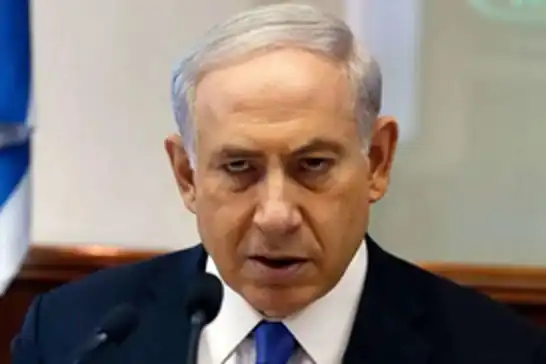
Arab voter participation has surged in Israel’s elections, drawing increased scrutiny from Prime Minister Benjamin Netanyahu’s Likud party, which has sought to extend voting hours and is reportedly preparing to challenge the integrity of the vote if it suffers significant losses.
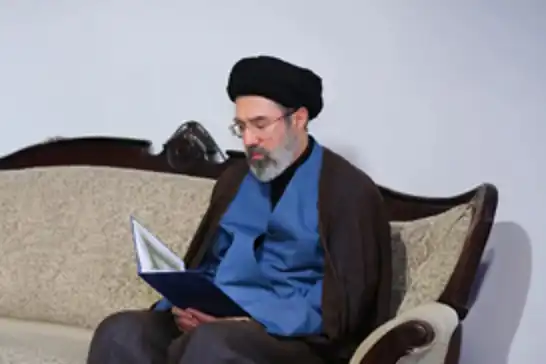
Iran’s Leader Ayatollah Seyyed Mojtaba Hosseini Khamenei has underscored the effectiveness of Iran’s national resistance, saying the desperation of its adversaries reflects the strength and resilience of the Iranian nation.
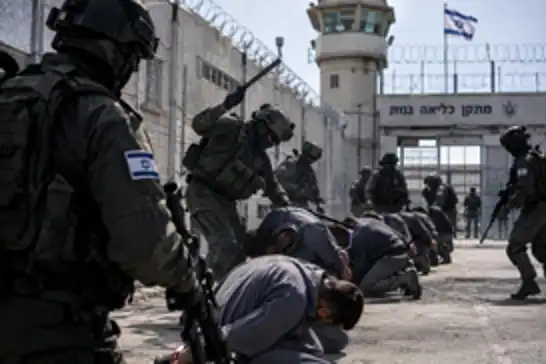
Palestinian detainees from the Gaza Strip held in Israel’s Ramla Prison are facing repeated assaults, physical abuse and alleged torture, including beatings with batons, tear gas, pepper spray, rubber bullets and stun grenades, according to the Asra Media Office (AMO).