Iran says it will not let US dictate war or peace
 13 oC
13 oC 
Güneşli

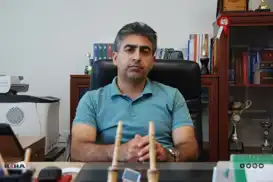
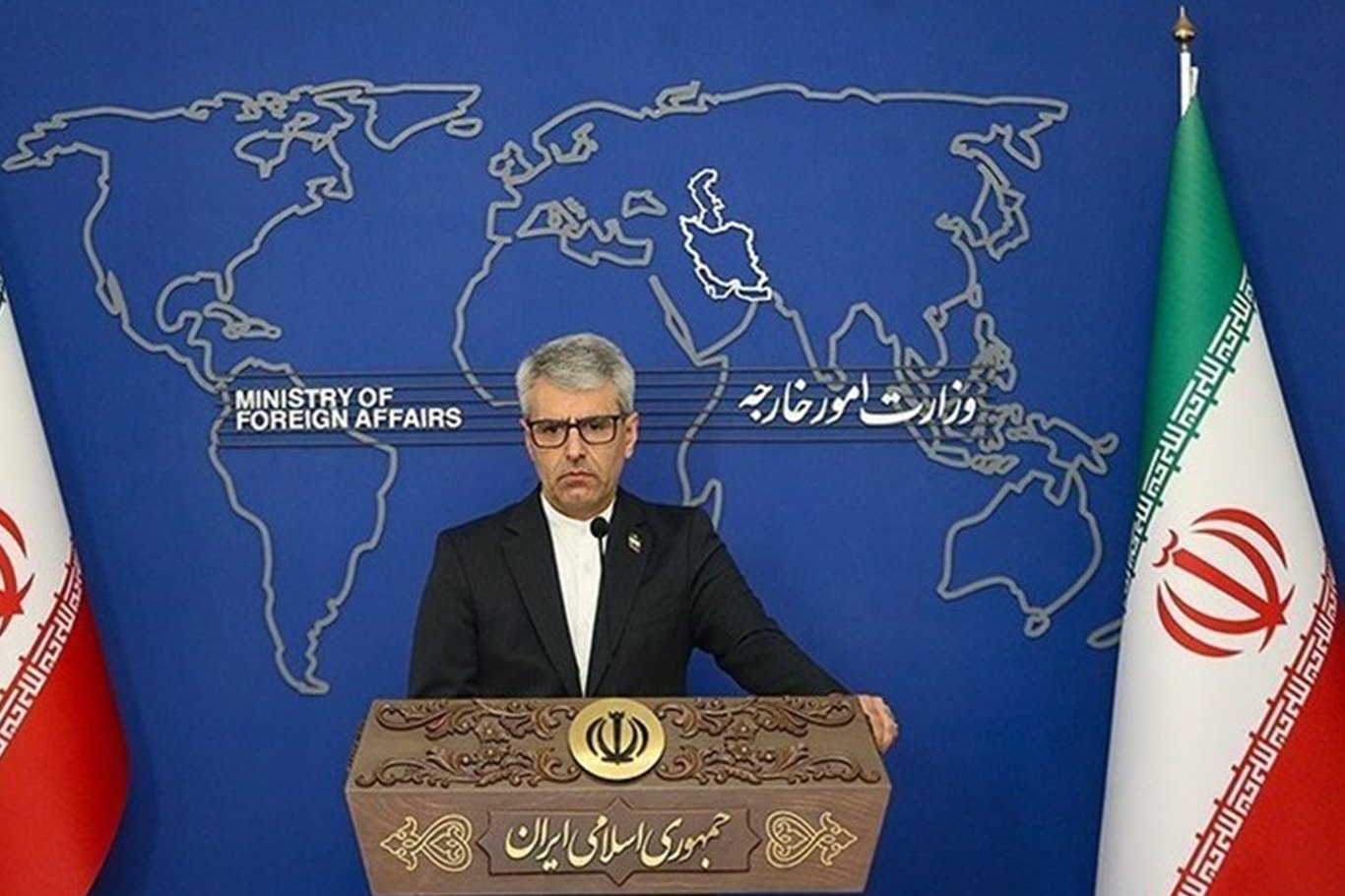
Iran has reaffirmed that it will not allow the United States to dictate the timing of war or peace, with Foreign Ministry spokesperson Esmaeil Baghaei saying Tehran's strategic decisions are made solely on the basis of its national interests and through an independent decision-making process.
Speaking at a weekly press briefing on Monday, Baghaei, who is also a member of Iran's negotiating delegation, said the Islamic Republic remains committed to safeguarding its sovereignty and national security despite continued pressure from Washington and its allies.
"Iran will not allow the United States to determine the timing of war and peace," Baghaei said, emphasizing that all decisions taken by Tehran are guided by the country's interests and are made through a transparent national process.
Tehran blames Washington for violating agreements
Addressing the memorandum of understanding between Tehran and Washington, Baghaei accused the United States of violating both the agreement and the broader framework governing bilateral commitments.
He said Iran's decision to suspend parts of its own obligations came only after repeated American breaches.
"The United States violated the memorandum and the entire framework covered by it," Baghaei said, adding that Tehran's response was fully consistent with its rights after Washington failed to honor its commitments.
Iran has long maintained that successive US administrations have undermined diplomatic agreements through unilateral actions, sanctions and military pressure, making it difficult to sustain negotiated arrangements.
US held responsible for aggression
Baghaei also held the United States primarily responsible for what he described as recent acts of aggression against Iran, while noting that the role of certain regional countries should not be overlooked.
He said Tehran expects neighboring states to refrain from cooperating with Washington in actions that threaten regional peace and stability.
According to Baghaei, lasting security in West Asia can only be achieved through regional cooperation free from foreign military intervention.
Iran rejects negotiations over defense capabilities
The Iranian spokesperson sharply criticized a recent joint statement issued by US Secretary of State Marco Rubio and the Gulf Cooperation Council (GCC), describing it as "destructive" and reiterating that Iran's defensive capabilities are non-negotiable.
"Everyone knows that Iran will not negotiate over its defensive capabilities," he said.
Iranian officials have consistently argued that the country's missile and defense programs are purely defensive and essential for deterring external threats in an increasingly volatile region.
Criticism of Britain and France
Baghaei also accused the United Kingdom's new government of being involved in the recent aggression against Iran, saying Tehran possesses evidence of British participation despite expectations that London would adopt a different approach from its predecessor.
He urged British officials to acknowledge that tensions in the Strait of Hormuz are the direct consequence of US policies and military actions rather than Iran's conduct.
Turning to France, Baghaei criticized the activities of French diplomats in Iran, saying their actions could not be justified under diplomatic norms and amounted to interference in the country's internal affairs.
Tensions remain high
Baghaei's remarks come as tensions between Iran and Western countries remain elevated following recent military confrontations and disputes over regional security.
Iran has repeatedly insisted that it remains open to diplomacy based on mutual respect and adherence to international law, while warning that it will respond firmly to any aggression or attempts to undermine its sovereignty.
Tehran has also continued to call for greater regional dialogue and an end to destabilizing foreign intervention, arguing that sustainable peace in the Middle East can only be achieved through cooperation among regional states without external pressure or coercion. (ILKHA)
LEGAL WARNING: All rights of the published news, photos and videos are reserved by İlke Haber Ajansı Basın Yayın San. Trade A.Ş. Under no circumstances can all or part of the news, photos and videos be used without a written contract or subscription.
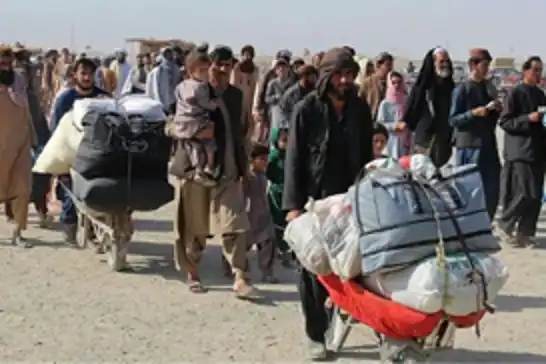
A total of 431 Afghan families, comprising 2,199 individuals, returned to Afghanistan on Sunday, the country's High Commission for Refugees Affairs confirmed on Monday.
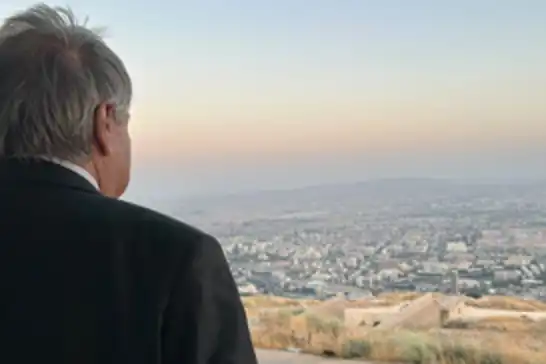
United Nations Secretary-General António Guterres on Sunday called for the immediate removal of all remaining sanctions on Syria, urging the international community to support the country's economic recovery and reconstruction as it seeks to rebuild after more than 13 years of conflict.
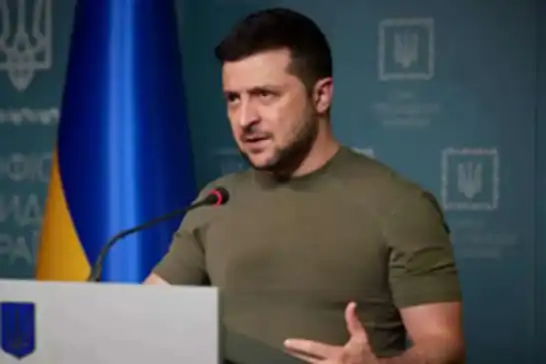
Ukrainian President Volodymyr Zelenskyy said Ukraine carried out a series of long-range strikes overnight targeting Russian energy infrastructure, including an export terminal in the Rostov region and oil facilities deep inside Russian territory.