Iran vows immediate retaliation against any future military strikes
 13 oC

Güneşli

Iran has reaffirmed its ability to respond to any military attack while calling on regional countries to establish an independent security mechanism to protect the Strait of Hormuz and the Persian Gulf without foreign intervention.
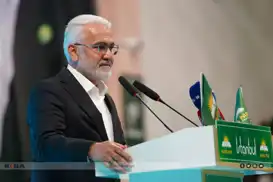
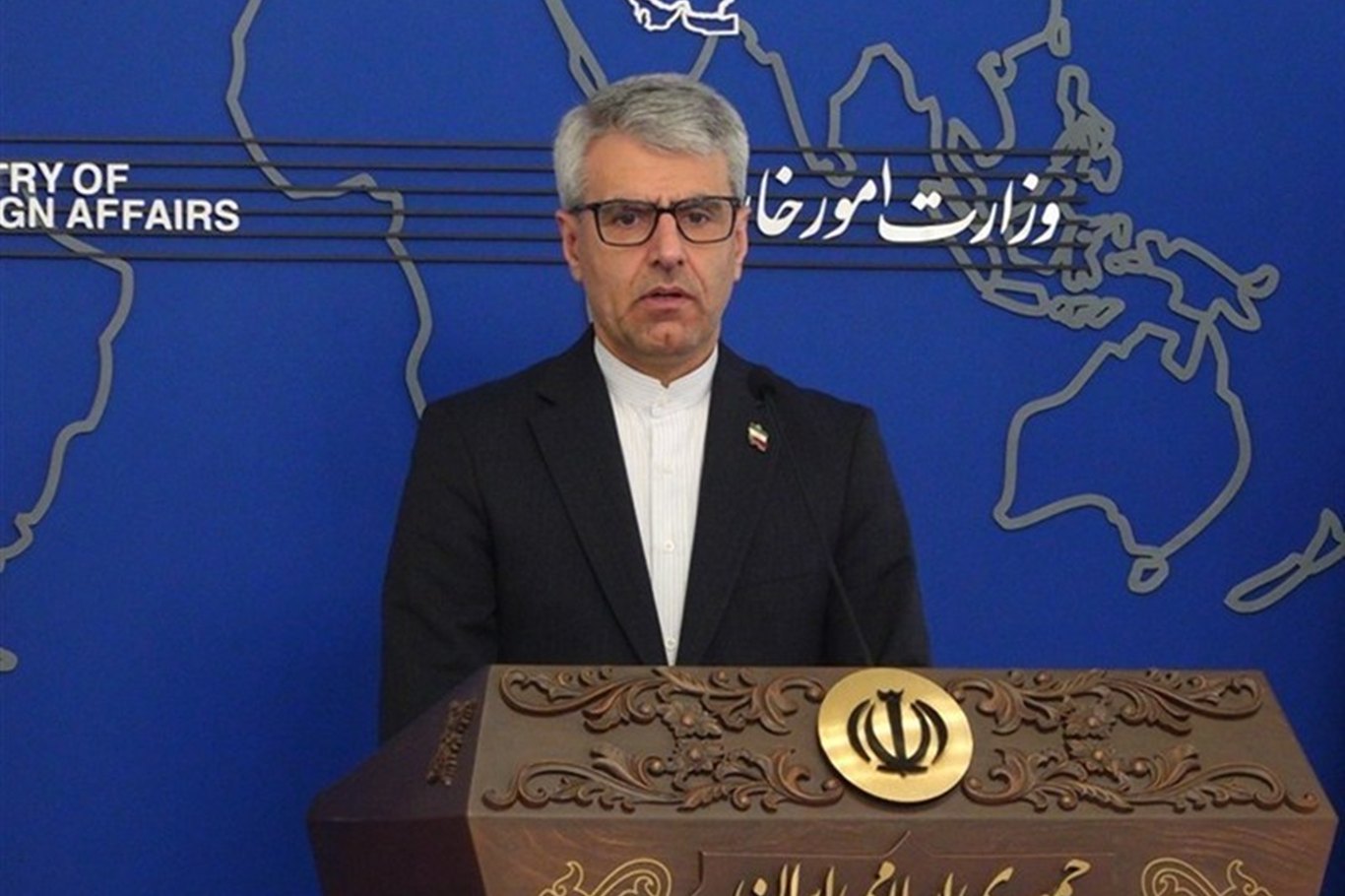
Iranian Foreign Ministry spokesperson Esmaeil Baghaei made the remarks at a press conference on Tuesday, stressing that the security of the strategically vital waterway must be guaranteed by the countries bordering it rather than external powers.
“The Strait of Hormuz and the Persian Gulf must derive their security from the countries bordering this vital waterway,” Baghaei said, adding that Russia's proposal concerning the strait had not been fully presented to the public.
He said Iran, Russia and China had plans aimed at strengthening security in the Strait of Hormuz, emphasizing that regional countries should build mutual trust and cooperate to prevent outside powers from exploiting regional tensions.
“If the countries of the region are serious about establishing security, they must build a security mechanism,” he said.
Baghaei's remarks underscored Tehran's longstanding position that regional security should be managed by the countries directly concerned, rather than shaped by foreign military intervention.
Iran Says Diplomacy and Self-Defense Go Hand in Hand
Addressing relations with Washington and the possibility of negotiations, Baghaei said Iran's primary objective was to safeguard the interests of its people.
“Iran insists on nothing except securing the interests of its people,” he said, arguing that Washington's record of failing to honor commitments required Tehran to protect its national interests through all available means.
Baghaei described diplomacy as an important component of Iran's defense strategy, saying Tehran remained committed to using political and diplomatic channels to reduce tensions wherever possible.
He questioned US claims that Washington had informed Iran in advance of its intention to launch attacks, expressing skepticism about the credibility of the assertion.
Baghaei also defended Iran's strikes against US military bases located in Arab countries, describing them as acts of self-defense.
Commenting on the Pentagon's statements concerning an investigation into Minab, he urged caution and said US military attacks constituted serious crimes.
Tehran Reaffirms Nuclear Rights During Lavrov Visit
Commenting on Russian Foreign Minister Sergey Lavrov's visit to Tehran, Baghaei said Iran would not abandon its principles, including its position on its nuclear program, which he described as serving the interests of the Iranian people.
He clarified that the nuclear issue was not the principal focus of the talks with Lavrov.
The discussions covered several issues of mutual interest, including developments in the Caucasus, security in the Strait of Hormuz and Iran's nuclear file.
Baghaei described relations between Tehran and Moscow as “very good,” highlighting continued cooperation between the two countries.
Iran Urges Muslim Unity, Diplomatic Resolution to Yemen Conflict
Addressing the Organization of Islamic Cooperation (OIC) and the conflict involving Yemen and Saudi Arabia, Baghaei reiterated Tehran's opposition to provisions that undermine the interests and unity of the Muslim world.
He said the Iranian Foreign Ministry had held several consultations on the matter, including discussions within the OIC.
Baghaei described Yemen as a source of disagreement among Muslim countries, arguing that such divisions ran counter to the organization's founding principles and weakened solidarity across the Islamic world.
He reiterated Iran's position that the Yemen issue should be resolved through diplomacy between Yemen and Saudi Arabia.
Baghaei also emphasized Tehran's positive relations with Pakistan and Qatar, pointing to the importance of good-neighborly ties and regional cooperation.
He called for coordinated diplomatic efforts to counter escalating tensions, settlement expansion and crimes attributed to Israel across the region.
Iran Calls for Respect for Azerbaijani People's Rights
On relations with Azerbaijan, Baghaei described Tehran's ties with Baku as brotherly and expressed hope that the Azerbaijani government would respect the rights of its people.
Addressing the controversy over headscarf restrictions in Azerbaijan, he said the Azerbaijani people should determine how the issue should be addressed.
“We hope that Azerbaijan, with which we have brotherly relations, respects the rights of its people,” he said.
Baghaei also said Iran had remained willing to negotiate and engage in dialogue with neighboring countries, adding that certain parties had prevented a meeting in Salalah from taking place.
His remarks reinforced Tehran's calls for regional dialogue, respect for national interests and cooperation among neighboring countries as a means of addressing disputes and preventing further escalation. (ILKHA)
LEGAL WARNING: All rights of the published news, photos and videos are reserved by İlke Haber Ajansı Basın Yayın San. Trade A.Ş. Under no circumstances can all or part of the news, photos and videos be used without a written contract or subscription.
The Orphans Foundation has distributed its September allowances to orphaned children in Chad, continuing its efforts to support vulnerable children with the help of philanthropists.
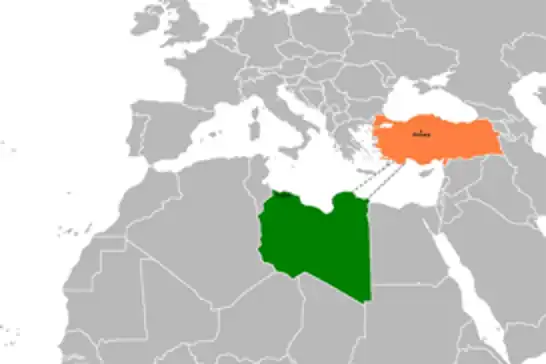
Libya’s House of Representatives has approved the Memorandum of Understanding on the Delimitation of Maritime Jurisdiction Areas signed between Türkiye and Libya in 2019, while also repealing previous decisions that rejected the agreement and suspended political relations with Ankara.
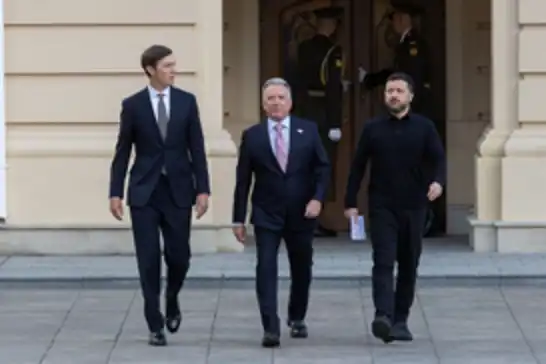
Ukrainian President Volodymyr Zelensky is set to travel to Oslo on Tuesday for talks on European security and Russia’s escalating war against Ukraine, alongside US envoy Steve Witkoff and Finnish President Alexander Stubb, Norwegian Prime Minister Jonas Gahr Støre has announced.