Libya parliament approves Türkiye-Libya maritime agreement, reverses previous stance
 13 oC

Güneşli

Libya’s House of Representatives has approved the Memorandum of Understanding on the Delimitation of Maritime Jurisdiction Areas signed between Türkiye and Libya in 2019, while also repealing previous decisions that rejected the agreement and suspended political relations with Ankara.
The decision was taken during a parliamentary session on Tuesday, according to Libyan lawmakers. The vote marked a change in the position of the eastern-based parliament, which had previously opposed the maritime agreement signed between Türkiye and Libya’s former Government of National Accord (GNA) based in Tripoli.
Libya reverses previous decisions on Türkiye
The Libyan parliament overturned resolutions adopted in 2020 that rejected the ratification of memorandums signed between Libya and Türkiye and called for suspending political relations with Ankara.
The 2019 maritime agreement was signed in Istanbul between Türkiye and the GNA, which was internationally recognized at the time and led by Fayez al-Sarraj.
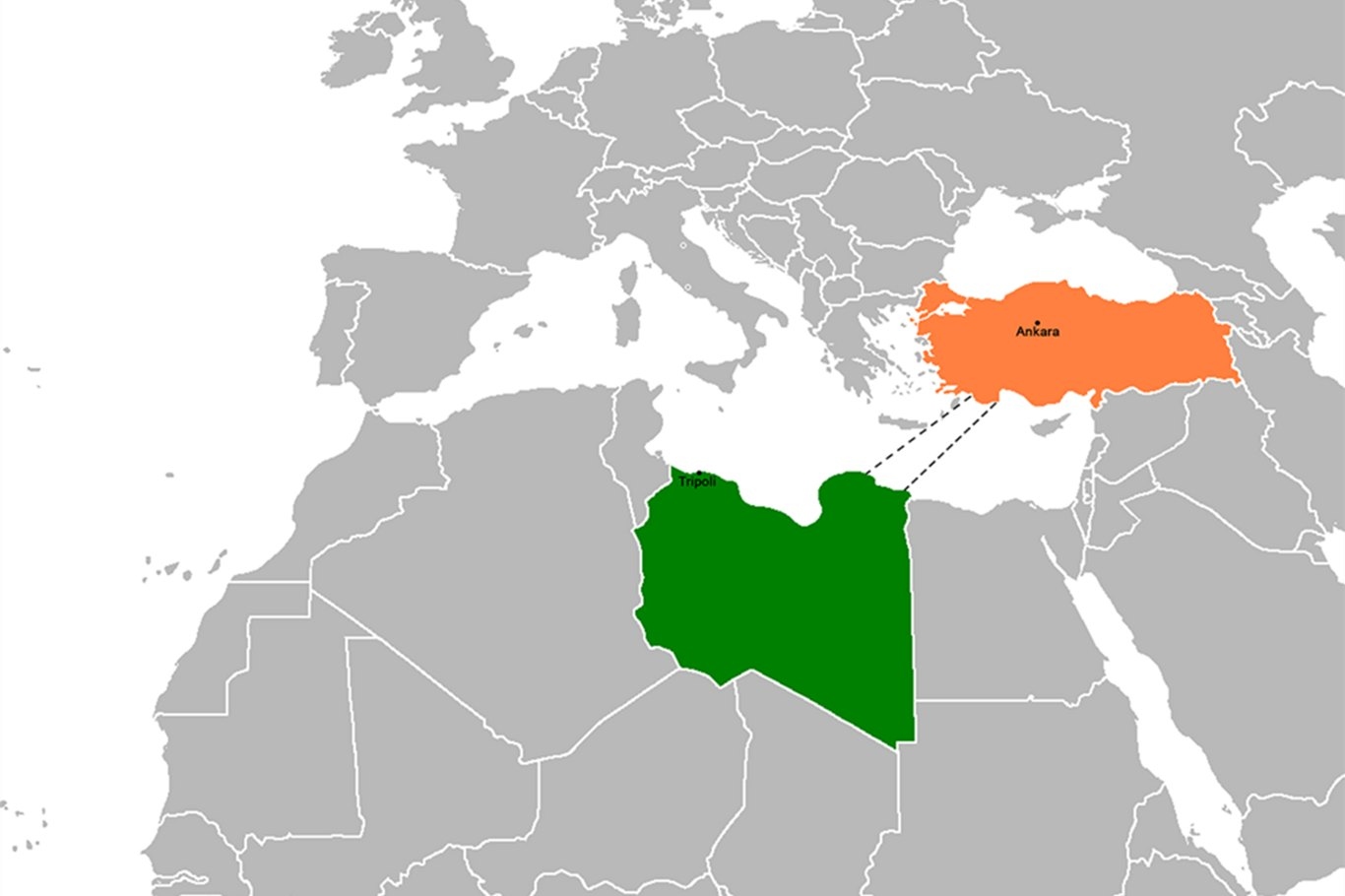
The agreement established a framework for defining maritime jurisdiction areas between the two countries in the Eastern Mediterranean, including areas related to the continental shelf and exclusive economic zone.
The deal had faced opposition from Libya’s eastern-based authorities, as well as criticism from Greece and Egypt, which argued that the agreement affected their maritime claims in the Eastern Mediterranean.
Eastern Mediterranean significance
The Türkiye-Libya maritime agreement has remained one of the key issues shaping discussions over maritime boundaries, energy resources and regional cooperation in the Eastern Mediterranean.
The agreement establishes a framework for defining maritime boundaries between Türkiye and Libya and reflects Ankara’s position that maritime rights in the region should be determined through agreements between relevant coastal states.
Türkiye has maintained that the deal protects its rights and interests in the Eastern Mediterranean, while Greece and some other countries have challenged its validity.
Following the latest parliamentary decision, the agreement has received support from both major political centres in Libya, where rival administrations in the east and west have competed for power for years.
Libya’s political divisions continue
Libya remains divided between rival political structures based mainly in the east and west of the country. The eastern-based House of Representatives had previously rejected the maritime agreement during the period of political rivalry with the Tripoli-based administration.
However, recent years have seen increased contacts between different Libyan actors, along with efforts to reduce political tensions and improve coordination among state institutions.
The approval of the maritime agreement is expected to influence discussions over Libya’s foreign relations, economic cooperation and maritime interests in the Mediterranean.
Understanding maritime jurisdiction areas
Maritime jurisdiction areas refer to sea zones where coastal states have specific rights and legal authorities under international law. These areas determine a country’s rights over maritime resources, seabed activities and the economic use of surrounding waters.
Under international law, particularly the principles established by the United Nations Convention on the Law of the Sea (UNCLOS), coastal states may exercise different levels of authority over several maritime zones.
Territorial waters are areas extending from a country’s coastline, generally up to 12 nautical miles. Within this zone, a state exercises sovereignty over the sea, seabed and airspace above it, similar to its authority over land territory.
The continental shelf refers to the natural underwater extension of a country’s land territory. Coastal states have exclusive rights to explore and exploit natural resources located on and beneath the seabed, including oil, natural gas and minerals.
The exclusive economic zone (EEZ) extends up to 200 nautical miles from a country’s coastline. Within this area, states have special rights to explore, manage and use marine resources, including fisheries, offshore energy production and seabed resources.
Maritime delimitation agreements define boundaries between neighbouring coastal states where maritime zones overlap. Such agreements can have major implications for energy exploration, economic activities and regional security.
The Türkiye-Libya maritime agreement focuses on the delimitation of maritime jurisdiction areas in the Eastern Mediterranean, establishing a framework for the two countries’ maritime boundaries and rights in the region.
(ILKHA)
LEGAL WARNING: All rights of the published news, photos and videos are reserved by İlke Haber Ajansı Basın Yayın San. Trade A.Ş. Under no circumstances can all or part of the news, photos and videos be used without a written contract or subscription.
The Orphans Foundation has distributed its September allowances to orphaned children in Chad, continuing its efforts to support vulnerable children with the help of philanthropists.
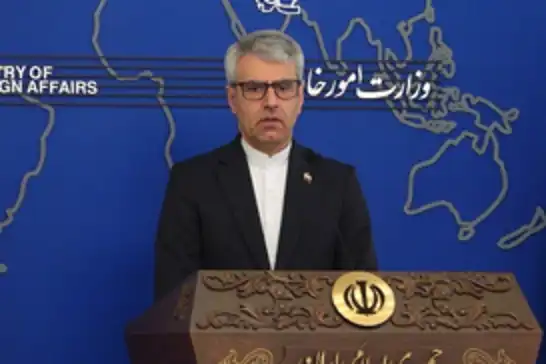
Iran has reaffirmed its ability to respond to any military attack while calling on regional countries to establish an independent security mechanism to protect the Strait of Hormuz and the Persian Gulf without foreign intervention.

Ukrainian President Volodymyr Zelensky is set to travel to Oslo on Tuesday for talks on European security and Russia’s escalating war against Ukraine, alongside US envoy Steve Witkoff and Finnish President Alexander Stubb, Norwegian Prime Minister Jonas Gahr Støre has announced.