Iranian parliament speaker says economic war more important than military conflict
 13 oC
13 oC 
Güneşli

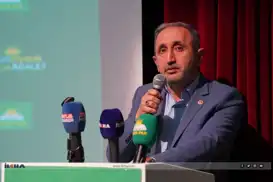
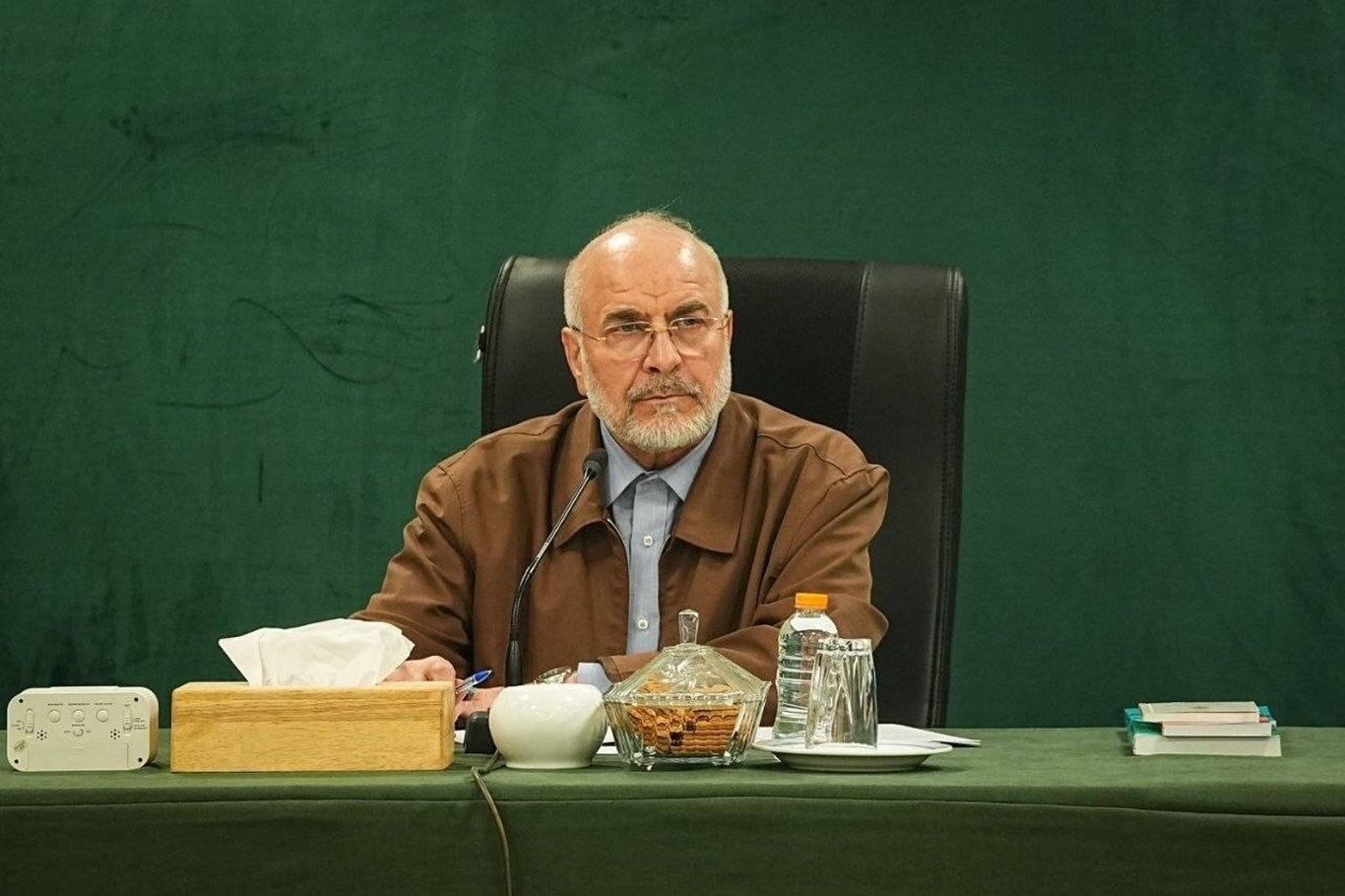
Iranian Parliament Speaker Mohammad Bagher Ghalibaf has described the country's economic challenges as the primary front in the conflict facing the Islamic Republic, saying economic warfare now outweighs military, cyber and cognitive warfare.
Ghalibaf made the remarks during a meeting attended by the heads of parliament's Planning and Budget, Agriculture, Economy and Social commissions, where lawmakers discussed measures aimed at mitigating the impact of sanctions and recent conflict on the country's economy.
According to Iran's Tasnim News Agency, the meeting reviewed the implementation of the Kalabarg subsidy programme, efforts to secure livelihoods for the public and the Armed Forces, agricultural and livestock production, the supply of production inputs, investment, economic growth, compensation for war-related damage and other issues within the commissions' areas of responsibility.
"Economic war is the main battlefield"
Ghalibaf stressed that decisions should be made in a way that minimizes the impact of sanctions and war on ordinary people.
"Today, economic war is more important than cognitive, military and cyber warfare, and economic war is the main battlefield being waged against us," he said.
He added that Iran's greatest challenge in confronting economic pressure is maintaining consistent decision-making and effective governance.
"We must assume responsibility under wartime conditions, make decisive decisions and firmly support those implementing them. Through coordination between parliament and the government, we can move forward on the same path in the economic sphere," Ghalibaf said.
Livelihoods remain the top priority
The parliament speaker said protecting the livelihoods of the public and the Armed Forces should remain the country's foremost priority.
"We must ensure that the pressures of war and sanctions affect people's livelihoods as little as possible and that the first positive outcomes of our decisions are reflected on their dining tables," he said.
Ghalibaf added that the same approach should guide policies aimed at promoting economic growth, reconstruction and providing liquidity to the industrial sector.
His remarks come as Iran continues to face extensive international sanctions while pursuing policies aimed at stabilizing domestic markets, supporting production and strengthening economic resilience.(ILKHA)
LEGAL WARNING: All rights of the published news, photos and videos are reserved by İlke Haber Ajansı Basın Yayın San. Trade A.Ş. Under no circumstances can all or part of the news, photos and videos be used without a written contract or subscription.
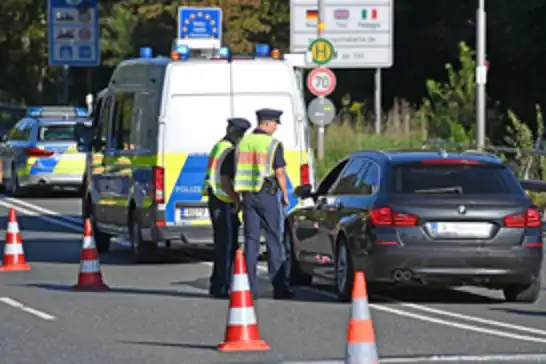
European Commission President Ursula von der Leyen has urged European Union leaders to strengthen the bloc's response to irregular migration, including expanding the powers of its border agency and increasing deportations, ahead of a European Council summit in Brussels this week.
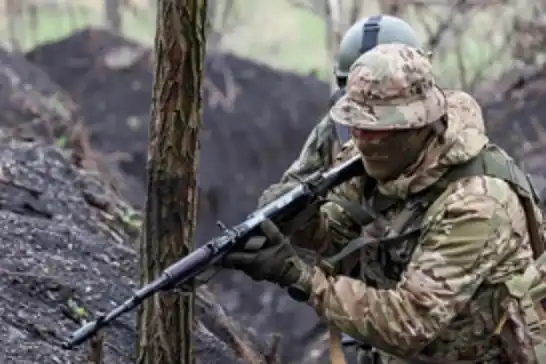
Iran's Islamic Revolution Guards Corps (IRGC) Ground Force has killed five members of a kidnapping team affiliated with the terrorist group Jaish al-Adl and rescued a construction project engineer in southeastern Iran, according to an IRGC statement.
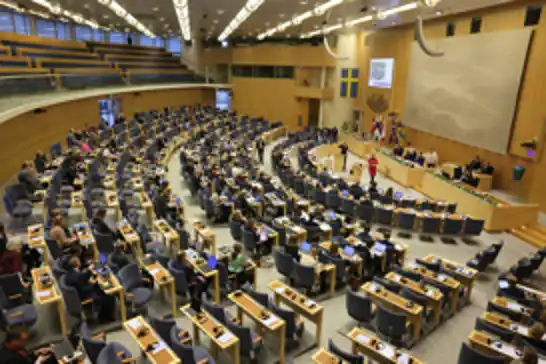
Sweden's parliament will vote on Thursday on Social Democratic Party leader Magdalena Andersson's nomination as prime minister, Speaker Andreas Norlén announced on Tuesday, as a month-long deadlock over forming a government continues following September's general election.