Iranian strikes inflict billions in damage on US intelligence infrastructure across West Asia
 13 oC
13 oC 
Güneşli

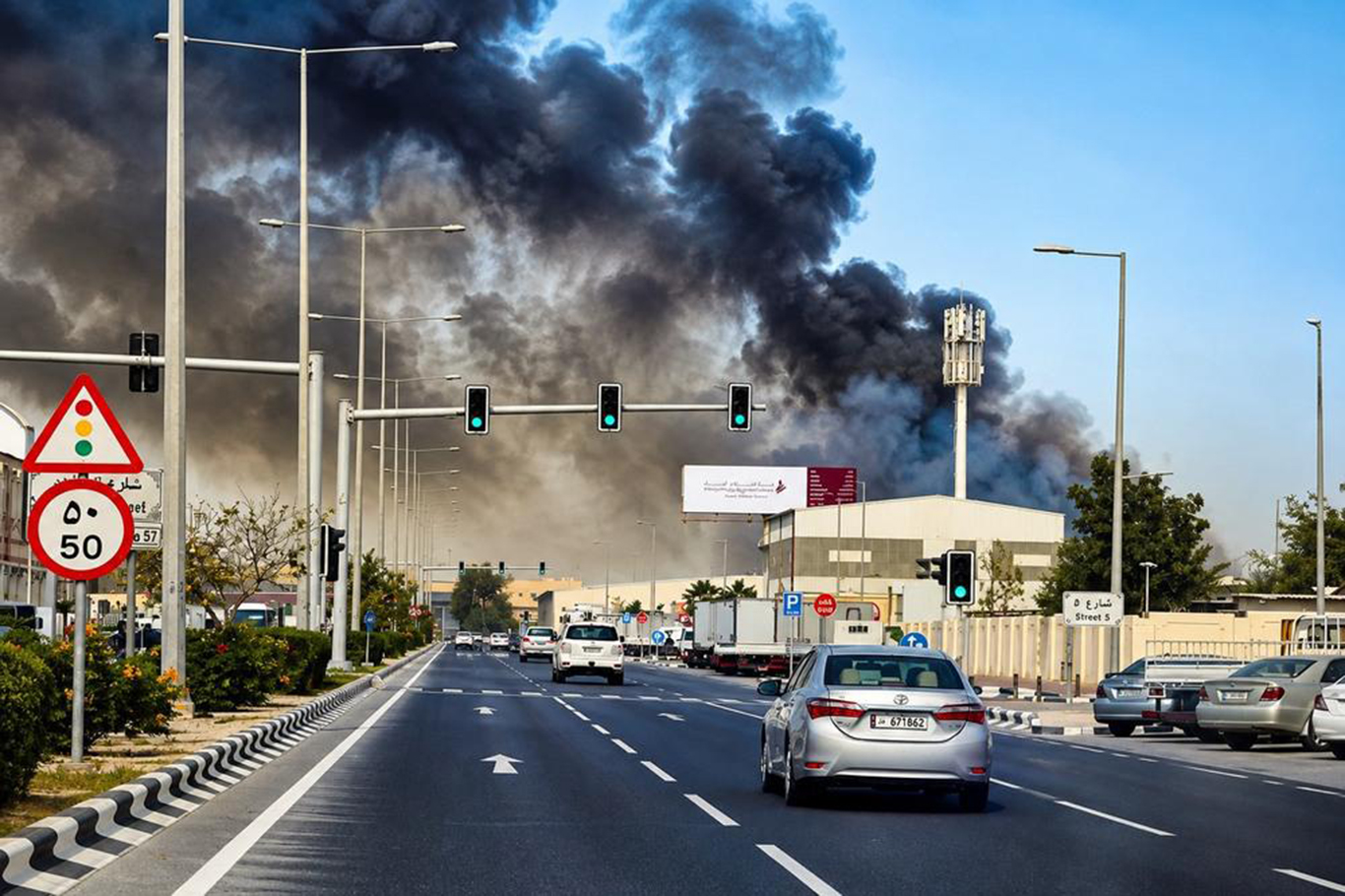
Iranian missile and drone strikes have inflicted extensive damage on US intelligence facilities and surveillance infrastructure across West Asia, reportedly causing losses on a scale rarely experienced by American intelligence agencies and forcing Washington to seek billions of dollars for repairs and replenishment.
According to an NBC News report citing four people familiar with the matter, the damage has affected US intelligence posts and surveillance equipment across the region, prompting US officials to reassess the deployment of personnel and intelligence resources.
The reported losses highlight the growing costs of Washington’s military confrontation with Iran and raise questions over the ability of the United States to protect its military and intelligence infrastructure from Iranian missile and drone capabilities.
Iranian strikes expose US vulnerabilities
The attacks have reportedly forced Congress to consider additional funding to restore damaged facilities and equipment.
Two sources cited by NBC said US officials were also examining how intelligence personnel and resources should be redeployed in the region following the attacks.
Military experts and former US officials have questioned why the Pentagon, US intelligence agencies and the State Department were unable to provide stronger protection for American government facilities against missile and drone attacks.
The reported damage underscores the vulnerability of US military and intelligence installations despite Washington's extensive air-defense capabilities throughout the region.
More than 100 US targets reportedly hit
An earlier NBC assessment in April found that Iranian strikes launched after the start of the US aggression on February 28 had struck more than 100 targets at at least 11 US military installations across seven countries.
The affected countries included Qatar, the United Arab Emirates, Bahrain, Jordan, Kuwait, Iraq and Saudi Arabia.
The scale of the reported strikes has challenged the perception that US bases and strategic facilities in the region are beyond the reach of Iranian missiles and drones.
The American Enterprise Institute has estimated that infrastructure repair costs alone could exceed $5 billion, excluding damaged military equipment and weapons systems.
The Pentagon, however, has declined to provide a detailed public assessment of the damage, citing operational-security concerns.
Pentagon seeks billions to replenish weapons
The extent of the damage and the consumption of US interceptor missiles have also placed additional pressure on Washington's military budget.
In late July, the Pentagon reportedly requested $67 billion in emergency funding for the current fiscal year. Of that amount, $18.2 billion was designated for replacing advanced missile systems used during the conflict.
The request includes approximately $5.75 billion for THAAD interceptors, $5.57 billion for Patriot Missile Segment Enhancement systems, $1.9 billion for SM-6 missiles and $3.28 billion for three versions of the US Navy's Standard Missile interceptor family.
The Pentagon also requested $100 million to purchase a classified Lockheed Martin air-to-air weapon known as the Joint Advanced Tactical Missile, which has not yet entered service.
The scale of the requested funding illustrates the enormous financial burden created by the confrontation with Iran and the depletion of American missile-defense stocks.
US weapons stocks face pressure
According to Bloomberg, the United States fired 13,629 munitions at Iranian targets between February 28 and the April ceasefire.
US military officials have privately warned that renewed major combat operations against Iran could place further strain on the interceptor stocks available to US Central Command.
The concerns point to a broader strategic challenge for Washington: maintaining sufficient missile-defense capabilities while simultaneously supporting its military presence across a region where Iranian missiles and drones have demonstrated an ability to reach sensitive American installations.
Iran's military capabilities reshape regional balance
The reported damage to US intelligence infrastructure represents a significant challenge to Washington's military posture in West Asia.
Iran has repeatedly demonstrated its ability to combine ballistic missiles, cruise missiles and drones in attacks against strategically important targets, complicating US efforts to protect its extensive network of bases and intelligence facilities.
The latest reports also highlight the potentially high cost of military confrontation for the United States, with Washington facing billions of dollars in repair and replenishment expenses while confronting pressure on its missile-interceptor stocks.
From Tehran's perspective, the reported damage demonstrates Iran's ability to defend itself against US military pressure and impose substantial costs on American forces operating in the region.
The developments are likely to fuel debate in Washington over the sustainability of further military escalation against Iran, particularly as US officials confront the financial and logistical consequences of replenishing weapons and repairing damaged infrastructure. (ILKHA)
LEGAL WARNING: All rights of the published news, photos and videos are reserved by İlke Haber Ajansı Basın Yayın San. Trade A.Ş. Under no circumstances can all or part of the news, photos and videos be used without a written contract or subscription.
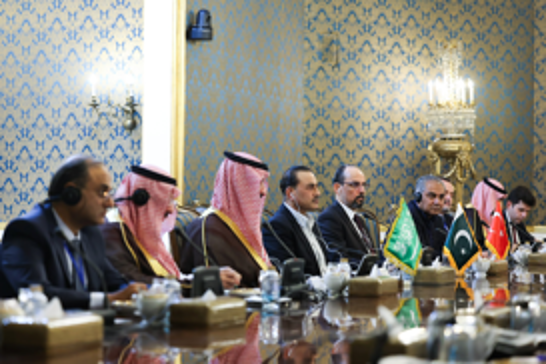
Senior officials from Iran, Türkiye, Pakistan and Saudi Arabia held talks in Tehran on Monday to discuss regional security, the consequences of military aggression and efforts to strengthen cooperation among Muslim-majority countries, Iranian media reported.
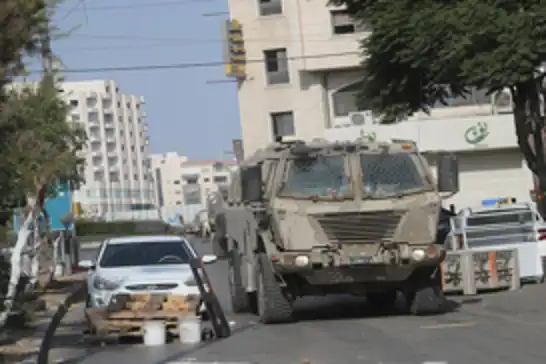
The number of Palestinian families affected by the ongoing Israeli occupation assault in the occupied West Bank city of Al-Khalil has risen to 488, while humanitarian assistance has begun reaching thousands of residents forced from their homes, according to local authorities.

US President Donald Trump has once again expressed support for Israeli Prime Minister Benjamin Netanyahu ahead of the 27 October elections, urging voters in the occupation regime to vote for Netanyahu and saying the two leaders should complete the process they started together.

Israel regime’s extremist National Security Minister Itamar Ben-Gvir has turned restrictions imposed on Palestinian prisoners into a political campaign issue ahead of elections, openly promoting harsh prison measures while rights groups continue to raise concerns over conditions in occupation prisons.