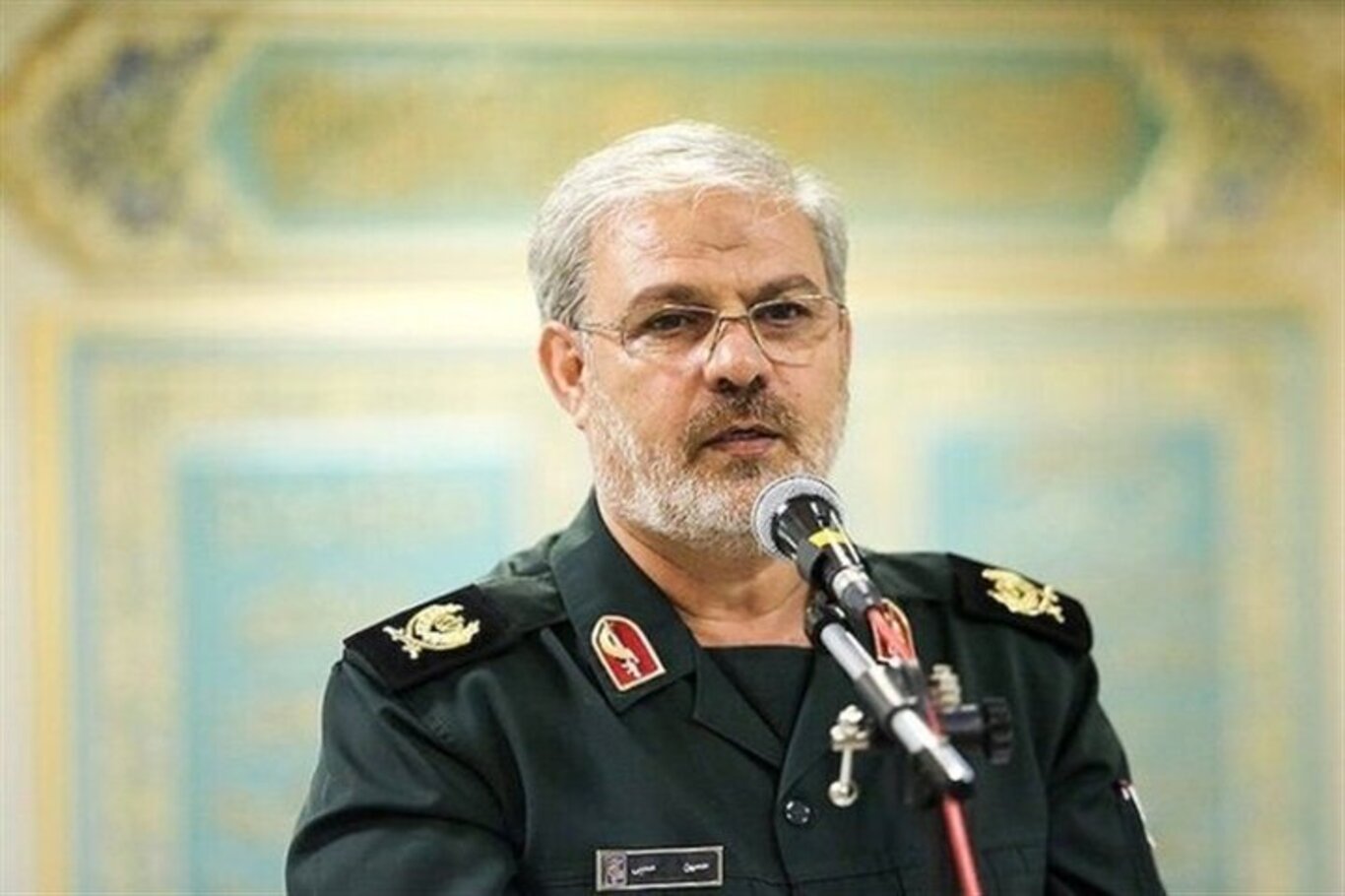
IRGC says Iran's armed forces remain on highest alert, vows readiness for any threat
 13 oC
13 oC 
Güneşli

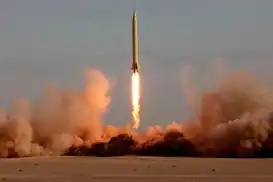
Iran's Islamic Revolutionary Guard Corps (IRGC) has reaffirmed that the country's armed forces remain at the highest level of military readiness, stressing that Iran is fully prepared to confront any potential threat despite ongoing national efforts in political, economic, and diplomatic spheres.
Speaking on Tuesday, IRGC spokesperson Brigadier General Hossein Mohebi said the military front remains a top priority for the Islamic Republic, arguing that adversaries continue to rely primarily on military pressure to pursue their objectives against Iran.
“Despite our preparations across all fields, the military front will still be maintained at the highest level of readiness, because we believe the most important arena the enemy relies on to achieve its goals is the military domain,” Mohebi said.
The IRGC spokesman emphasized that Iran's Armed Forces have developed extensive capabilities through years of operational experience and direct confrontations with regional and international adversaries.
According to Mohebi, any future military confrontation would differ significantly from previous conflicts in terms of operational methods, battlefield geography, and weapon systems employed.
“If the enemy resorts to military confrontation, the type of operations, the geography of the battle, and even the types of weapons used will be different,” he said, adding that Iranian forces are fully prepared for all possible scenarios.
Mohebi further stated that the country's current level of military readiness is stronger than at any previous stage, describing it as the result of accumulated battlefield experience and continuous development of defensive capabilities.
The spokesman said Iran's understanding of its adversaries' military doctrines, tactics, and technologies has expanded significantly in recent years.
“Today, our understanding of the enemy—their offensive and defensive equipment, tactics, and the nature of their operations—is far more comprehensive than before,” he noted.
Rejecting claims that Iran's military capabilities have been weakened, Mohebi insisted that the country's operational readiness and combat effectiveness remain intact.
He said Iran's naval forces continue to play a central role in safeguarding the country's strategic interests and maritime security.
Mohebi pointed to the Strait of Hormuz as evidence of Iran's continued military strength, arguing that attempts to challenge Iran's influence in the strategic waterway have failed.
According to the IRGC spokesman, despite the deployment of significant American military assets across land, sea, and air domains, Washington was unable to undermine Iran's control and influence over the Strait.
“The United States entered the field with very extensive power to create the conditions it desired in the Strait of Hormuz, but it failed to achieve its goals,” he said.
Mohebi maintained that Iran's sovereignty and authority over the strategic maritime corridor remain fully intact, describing the country's control of the Strait of Hormuz as a symbol of the IRGC's strength and deterrence capabilities.
Iranian officials have repeatedly stated that the country's military doctrine is based on deterrence and defense, stressing that the Armed Forces remain prepared to respond decisively to any aggression.
The latest remarks come amid continuing regional tensions and heightened security concerns across the Middle East, where Tehran has consistently emphasized the importance of maintaining strong military preparedness while pursuing its broader national objectives.(ILKHA)
LEGAL WARNING: All rights of the published news, photos and videos are reserved by İlke Haber Ajansı Basın Yayın San. Trade A.Ş. Under no circumstances can all or part of the news, photos and videos be used without a written contract or subscription.
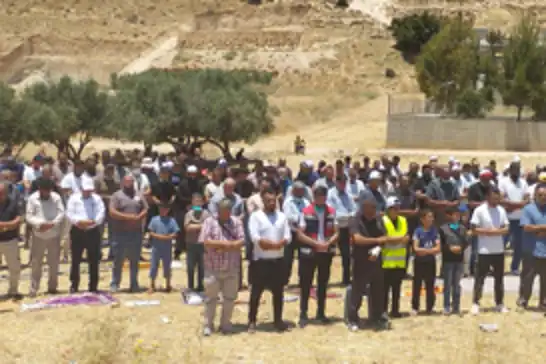
Hundreds of Palestinians gathered on Friday to perform congregational prayers on lands threatened with confiscation by Israeli occupation authorities near the towns of Dura and Idhna, west of Hebron in the occupied West Bank.
The Islamic Resistance in Lebanon – Hezbollah – carried out a series of targeted operations across southern Lebanon this week, responding directly to persistent Israeli breaches of the ceasefire agreement and repeated aggressions against Lebanese villages and civilians.
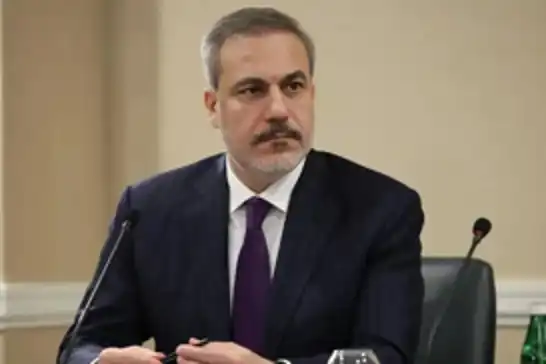
Turkish Foreign Minister Hakan Fidan held separate telephone conversations with Qatari Prime Minister and Foreign Minister Sheikh Mohammed bin Abdulrahman Al Thani and U.S. negotiators to discuss developments related to Iran.
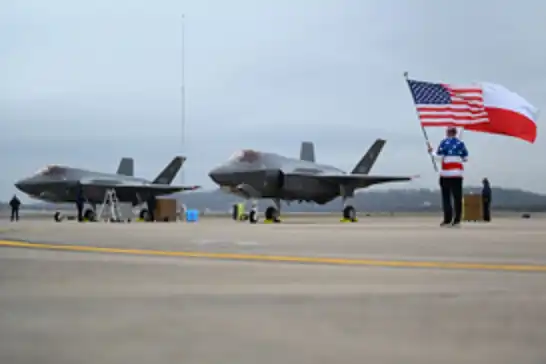
Poland has officially inducted its first three F-35 Lightning II fighter jets into service, becoming the first country on NATO's eastern flank to operate the fifth-generation aircraft.