Israeli occupation and settler violence displace hundreds more Palestinians, UN reports
 13 oC
13 oC 
Güneşli

UN Office for the Coordination of Humanitarian Affairs (OCHA) has highlighted how Israeli access restrictions, settler-colonial violence, and relentless demolitions are forcibly displacing more Palestinians and deepening the suffering across the Occupied Palestinian Territory.
OCHA warned that humanitarian efforts remain severely hindered by Israeli restrictions on access, ongoing insecurity, and critical funding shortages, leaving millions of Palestinians in urgent need of assistance.
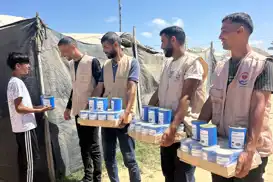
The UN agency highlighted another deadly attack on humanitarian workers, recalling that the World Central Kitchen announced on Wednesday that Israeli forces killed a driver employed by one of its logistics partners while he was transporting humanitarian aid from the Kerem Shalom crossing to the organization's warehouse in the besieged Gaza Strip. The aid organization has demanded a full investigation and accountability for the killing.
Meanwhile, Gaza's health system continues to struggle under the weight of Israel's ongoing military campaign, with disease spreading rapidly among the displaced population. OCHA reported that humanitarian health partners carried out more than 243,000 medical consultations through over 200 service points across the Strip during the past week.
The agency said acute respiratory infections and skin diseases remain the most common illnesses, while waterborne diseases continue to increase, particularly in Khan Younis. More than 18,000 new cases of chickenpox, ectoparasite infestations, and impetigo—a highly contagious bacterial skin infection—were recorded over the same period, reflecting the deteriorating sanitary conditions imposed by the prolonged siege and destruction.
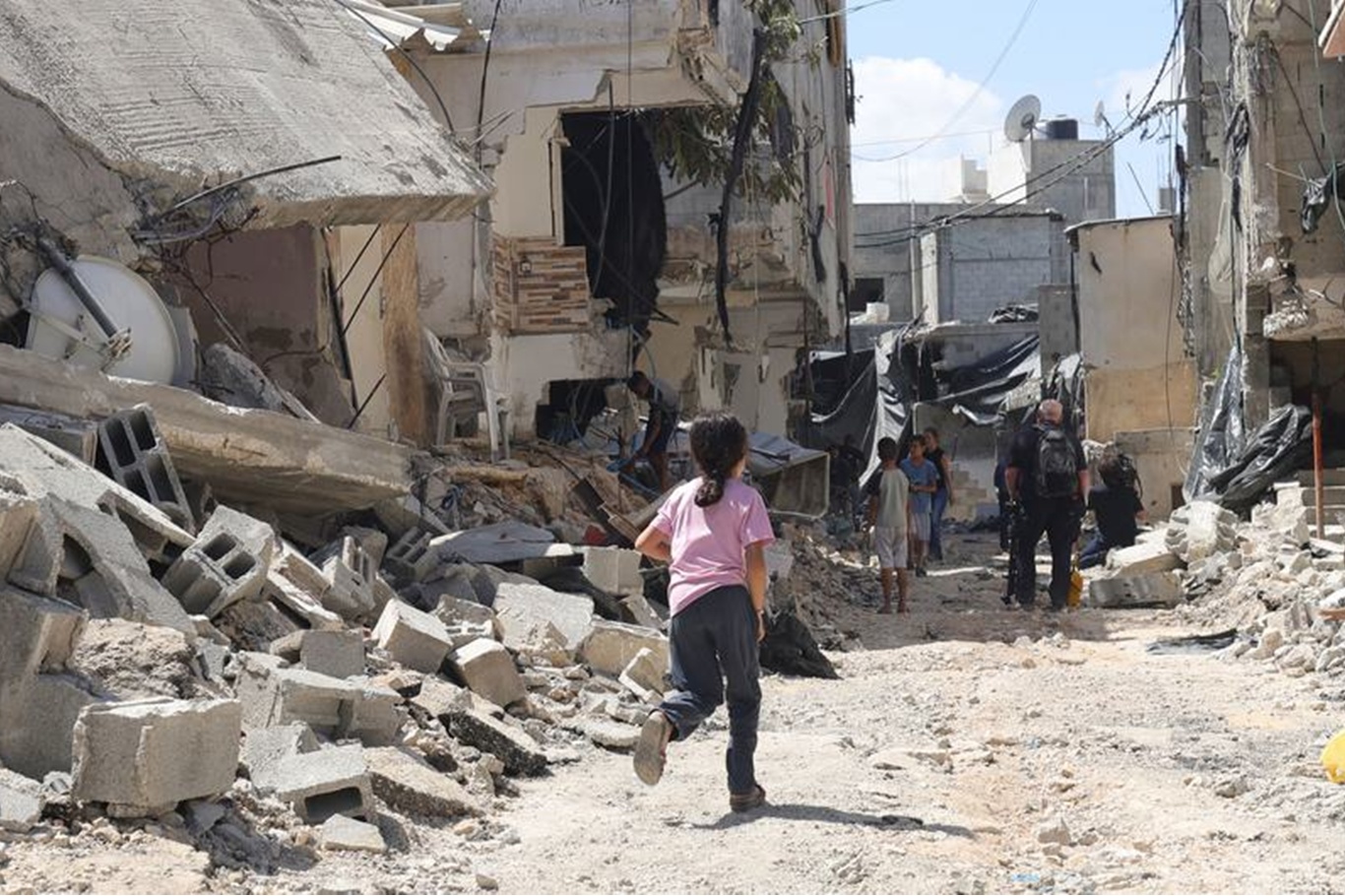
In the occupied West Bank, OCHA warned that Israeli military incursions, expanding movement restrictions, home demolitions, illegal settlement expansion, and escalating settler attacks are driving a sharp rise in the displacement of Palestinian families.
"The result is that more Palestinians are being displaced, protection risks are increasing, and access to housing, livelihoods, and essential services is becoming ever more restricted," the agency said.
Since the beginning of the month alone, Israeli demolition operations have displaced 67 Palestinians and destroyed approximately two dozen structures, including humanitarian facilities funded by international donors to support vulnerable communities.
OCHA noted that Israeli authorities routinely justify the demolitions by claiming the structures lack building permits, despite the fact that such permits are nearly impossible for Palestinians to obtain under the occupation's restrictive planning regime.
According to the UN agency, Israeli settler attacks and demolitions carried out under the permit system have displaced more than 3,200 Palestinians since the start of 2026—an average of 17 people every day, twice the daily displacement rate recorded during the previous three years.
Health organizations working in Gaza also warned that medical services remain under severe strain due to shortages and soaring costs of fuel, generator oil, spare parts, and essential medical supplies, threatening the continued operation of healthcare facilities serving the besieged population.
Reaffirming the legal obligations of the occupying power, OCHA stressed that international humanitarian law requires the protection of civilians and civilian infrastructure, while urging greater efforts to ensure humanitarian access and safeguard the rights and dignity of the Palestinian people amid the ongoing crisis. (ILKHA)
LEGAL WARNING: All rights of the published news, photos and videos are reserved by İlke Haber Ajansı Basın Yayın San. Trade A.Ş. Under no circumstances can all or part of the news, photos and videos be used without a written contract or subscription.

The United States has agreed to continue negotiations with the Islamic Republic of Iran, even as US President Donald Trump declared that the ceasefire between the two sides has ended, highlighting Washington's contradictory approach toward diplomacy and regional tensions.
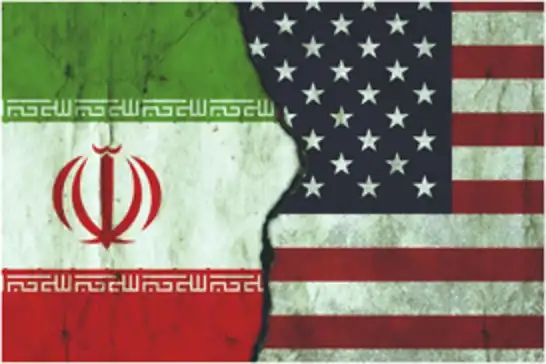
The United States has imposed a fresh round of sanctions targeting individuals and financial institutions linked to Iran, a move that Iranian observers are expected to view as another attempt to intensify Washington's longstanding campaign of economic pressure against the Islamic Republic.
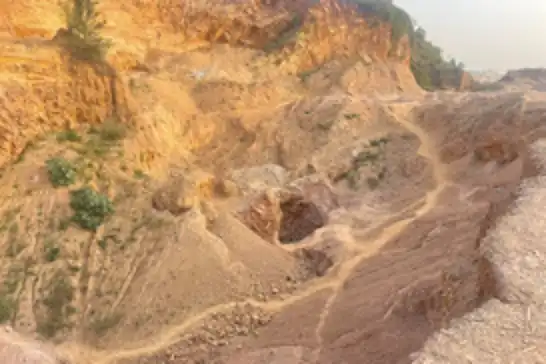
Ten people were killed after a quarry collapsed in eastern Rwanda, authorities said.