Israeli strikes kill four in southern Lebanon as tensions escalate despite ceasefire
 13 oC
13 oC 
Güneşli

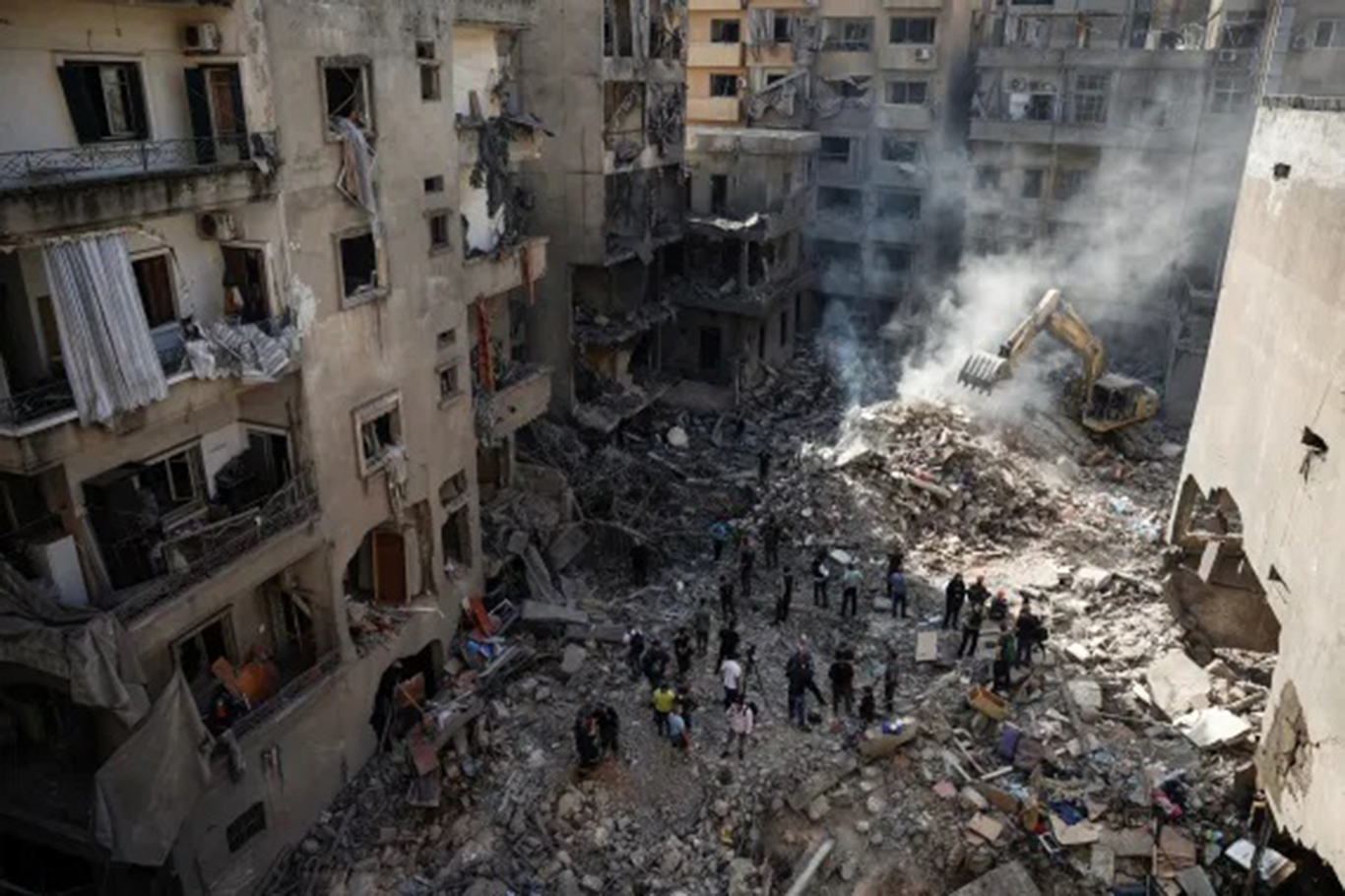
Israeli airstrikes killed four people, including two women, in southern Lebanon on Sunday, according to Lebanon’s Ministry of Public Health, as Israeli forces continued military operations in the south despite a U.S.-brokered ceasefire with Hezbollah.
The strikes came after Israel claimed it was responding to drone attacks by Hezbollah against areas where Israeli troops are deployed. Lebanese authorities, however, are once again confronting the human cost of continued Israeli military action on Lebanese territory, with civilians among those killed in the latest attacks.
The deaths have raised fresh concerns over the durability of the ceasefire agreement reached in June and the continuing escalation along the Lebanon-Israel frontier.
Under the June ceasefire, hostilities between Israel and Hezbollah were supposed to ease. However, Israeli forces have continued operating inside southern Lebanon, particularly in areas that Israel has designated as a security zone.
Lebanese officials and residents have repeatedly expressed concern that the continued presence and military operations are undermining the ceasefire and placing communities in southern Lebanon under persistent threat.
Sunday’s strikes demonstrate how fragile the situation remains, as renewed military action risks triggering another cycle of escalation in an area already devastated by months of conflict.
The killing of four people, including two women, highlights the growing humanitarian consequences of the continued violence.
For communities in southern Lebanon, the ceasefire has not necessarily translated into a return to normal life. Residents remain exposed to airstrikes, military operations and the threat of renewed confrontation, while many communities continue to struggle with the destruction left by previous fighting.
The latest casualties have intensified fears among Lebanese civilians that the violence could once again expand across the region.
Israel said its latest strikes were carried out in response to Hezbollah drone attacks targeting areas occupied by Israeli troops. Hezbollah has not been independently confirmed as responsible for all the incidents cited by Israel.
The renewed exchanges underscore the unresolved tensions between the two sides and the difficulty of maintaining the June ceasefire while Israeli forces remain deployed in southern Lebanon.
Lebanon continues to face pressure to prevent a wider escalation, while the presence of Israeli forces inside Lebanese territory remains a major source of tension.
The latest violence has once again placed the June agreement under scrutiny. Although the ceasefire was intended to halt hostilities, continued Israeli military operations and retaliatory attacks have left southern Lebanon vulnerable to renewed conflict.
For Lebanese communities living near the border, the priority remains clear: an end to military attacks, the protection of civilians and the restoration of Lebanon’s sovereignty over its territory.
Sunday’s deadly strikes serve as another reminder that, despite the ceasefire agreement, southern Lebanon remains trapped in a highly volatile security situation. (ILKHA)
LEGAL WARNING: All rights of the published news, photos and videos are reserved by İlke Haber Ajansı Basın Yayın San. Trade A.Ş. Under no circumstances can all or part of the news, photos and videos be used without a written contract or subscription.

US President Donald Trump has denied ordering restrictions on Ukraine’s access to Starshield, a military-grade satellite communications service operated by SpaceX, after network limitations reportedly disrupted Kyiv’s ability to defend against Russian attacks.
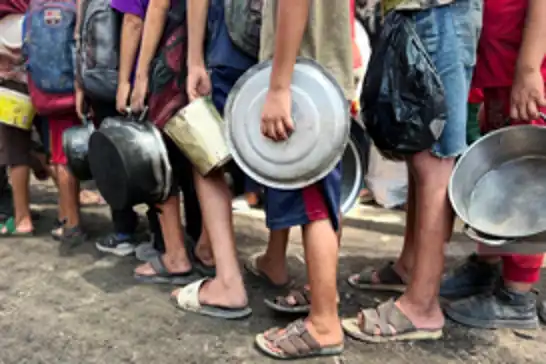
The humanitarian crisis in the Gaza Strip has reached catastrophic proportions, with Palestinian health authorities reporting that 466 people have died from hunger and malnutrition since 2024, including 157 children, as the territory marks another World Food Day under conditions of war, blockade and severe food shortages.
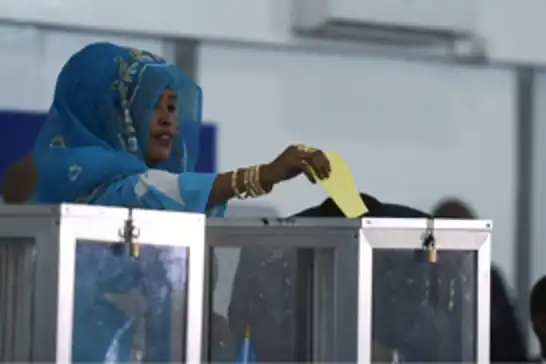
Somalia's National Independent Electoral and Boundaries Commission (NIEBC) has released the official timetable for the country's next national elections, announcing that parliamentary elections will be held on April 15, 2027, followed by the presidential election on May 15, 2027.

Ethiopia's federal government has announced the establishment of a six-month caretaker administration for the conflict-affected Tigray region, assigning it responsibility for restoring security, rebuilding public institutions and preparing the region for elections.