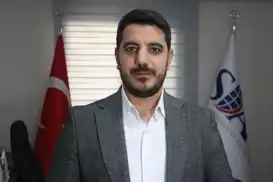
HÜDA PAR's Demir calls for comprehensive political ethics law in Türkiye
 13 oC

Güneşli

HÜDA PAR's Şahzade Demir says Turkish politics must abandon personal interests and return to honesty, justice and public service, calling for legislation to hold politicians accountable for unethical conduct.
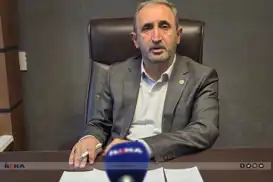
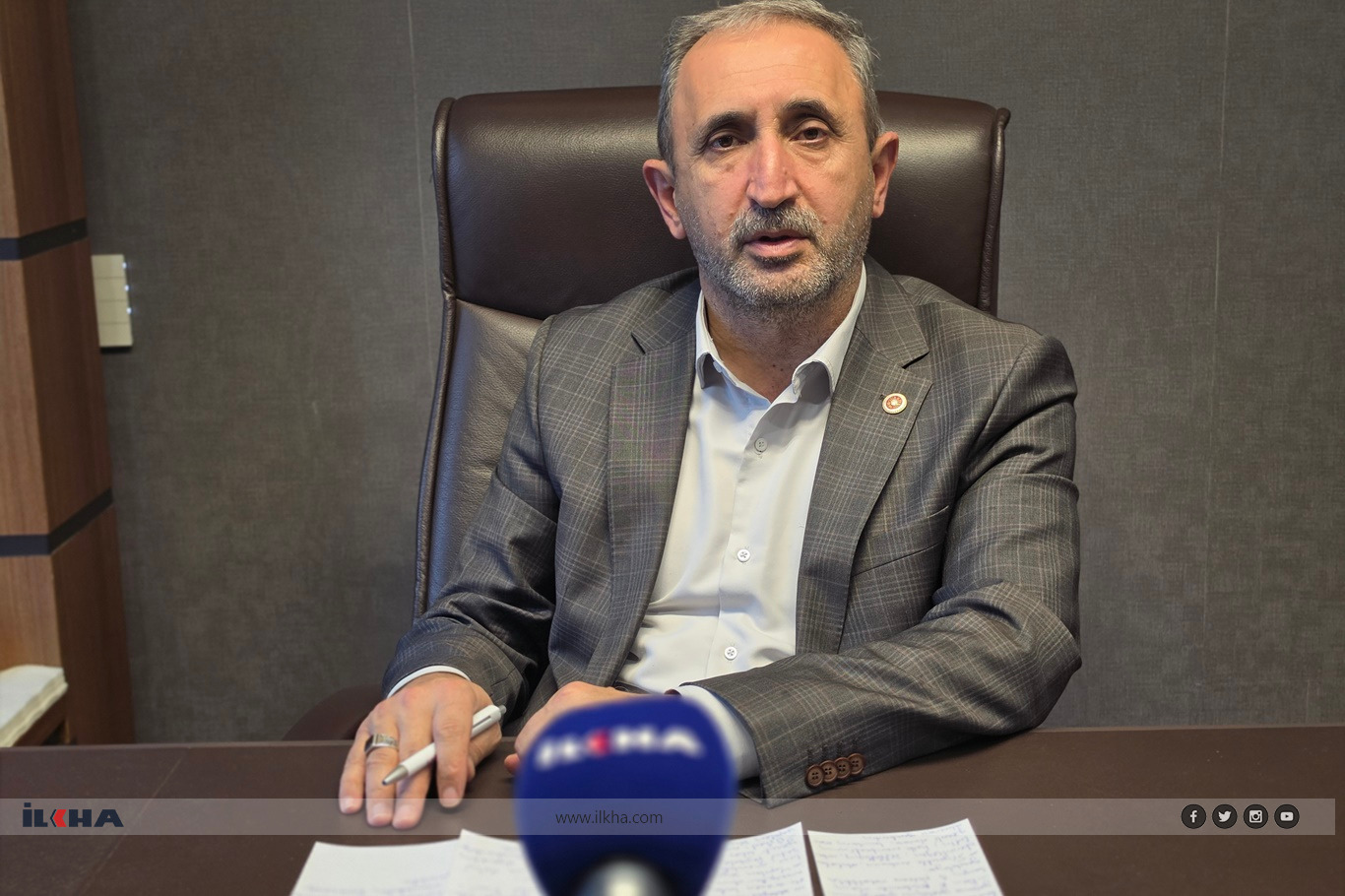
HÜDA PAR Political Affairs Chairman and Gaziantep MP Şahzade Demir has called for the urgent enactment of a comprehensive Political Ethics Law with deterrent sanctions, arguing that Turkish politics must be cleansed of personal interests, favoritism and the pursuit of power and wealth.
Speaking to an ILKHA correspondent, Demir said politics had increasingly moved away from its fundamental responsibility of addressing the country's problems and serving the public, warning that it was becoming a burden on society rather than a means of resolving its difficulties.
He said this trend risked deepening existing economic and social problems, particularly for low-income families, minimum-wage earners, pensioners and people living on fixed incomes.
'Politics must be guided by clear principles'
Demir stressed that politics must be built on firm moral principles, including honesty, sincerity, justice, integrity, merit and prioritising the public interest over personal gain.
He said the primary purpose of politics should be to serve society, resolve public grievances, strengthen brotherhood and justice, ensure fair income and tax distribution, reduce inequalities between social classes and regions, and guarantee a peaceful future in which human and social rights are protected.
However, he argued that politics had strayed considerably from these responsibilities and urged political institutions to return to their original mission.
According to Demir, politicians who lack honesty, competence, morality and a commitment to public service cannot be expected to develop meaningful policies or offer solutions to the country's problems.
'Politics based on personal interests is a monstrosity'
Demir criticised what he described as an increasingly interest-driven political culture, saying that instead of promoting solidarity and justice, it was encouraging conflict, rivalry and social divisions.
He argued that political office should never be used as a means of personal enrichment, expanding influence or securing positions for relatives, friends and associates.
Referring to the teachings of Islamic scholar Bediüzzaman Said Nursi, Demir described politics driven by personal interests and material gain as a “monstrosity.”
He also questioned the consistency of politicians who strongly criticise a political party before later joining it, arguing that political decisions should be guided by principles rather than calculations of personal advantage.
Demir said HÜDA PAR believed that the existing political culture needed to be fundamentally corrected through serious and far-reaching reforms.
'Türkiye urgently needs a Political Ethics Law'
Emphasising the need for concrete legal measures, Demir said a Political Ethics Law had been discussed for years but had never been seriously brought before parliament or examined by its relevant committees.
He called for legislation based on honesty, public welfare, integrity and virtue, stressing that it must include effective sanctions to deter unethical conduct.
The law, he said, should provide mechanisms to penalise politicians who violate ethical standards and, where necessary, remove them from political office.
Demir maintained that ethical principles should not remain empty political rhetoric but must be supported by a legal framework capable of ensuring accountability.
'Unethical politics cannot solve the country's problems'
Demir noted that Türkiye faces numerous challenges, including economic difficulties, political tensions, ethnic issues and problems related to establishing brotherhood and justice.
He argued that politics itself is the main mechanism through which these problems must be addressed. However, he said meaningful solutions cannot be expected from a political system that lacks integrity and does not serve the interests of the country and its people.
He called for political institutions to first establish a strong ethical foundation so they can effectively fulfil their responsibility to society.
Legitimacy must be the foundation of politics
Demir also stressed that legitimacy must be an indispensable principle of political activity, explaining that HÜDA PAR approaches the issue through two dimensions: divine legitimacy and societal legitimacy.
He described divine legitimacy as developing political policies, discourse and strategies that do not contradict Islam, religious values, culture, historical heritage and public morality.
Societal legitimacy, meanwhile, means conducting politics in a way that benefits the public and the country rather than serving the interests of politicians or political parties.
He argued that when political activity is detached from these principles, personal gain, wealth and the pursuit of office inevitably become its driving forces.
'The greatest gain for an honest politician is the people's gain'
Concluding his remarks, Demir said the real measure of political success should be the benefits delivered to society, not the wealth, status or influence acquired by politicians.
He argued that it should make little difference whether a politician secures a high-ranking position or becomes personally wealthy, provided that the people benefit, justice is upheld and peace and brotherhood are strengthened.
“For an honest politician, the formation of an environment in which people gain, peace is built and brotherhood is established before his eyes is already the greatest gain,” he said.
Demir's remarks underline HÜDA PAR's call for a political culture centred on public service, moral responsibility and accountability, backed by legislation that makes ethical conduct a binding obligation rather than a matter of personal choice. (ILKHA)
LEGAL WARNING: All rights of the published news, photos and videos are reserved by İlke Haber Ajansı Basın Yayın San. Trade A.Ş. Under no circumstances can all or part of the news, photos and videos be used without a written contract or subscription.
Türkiye has rejected the European Commission's 2026 report on the country, accusing the European Union of maintaining a prejudiced and unfair approach towards Ankara and applying double standards in its assessments.
HÜDA PAR Deputy Chairman and Mersin MP Faruk Dinç has called for a comprehensive and transparent investigation into a major investment fund scandal, while urging the government to address pressing economic and social concerns and pursue stronger regional cooperation.

HÜDA PAR has submitted a draft bill to parliament proposing to exempt residential properties of up to 200 square metres from property tax, in a move aimed at easing the financial burden on homeowners and protecting citizens' right to housing.