Japan proposes record budget while curbing debt issuance
 13 oC
13 oC 
Güneşli

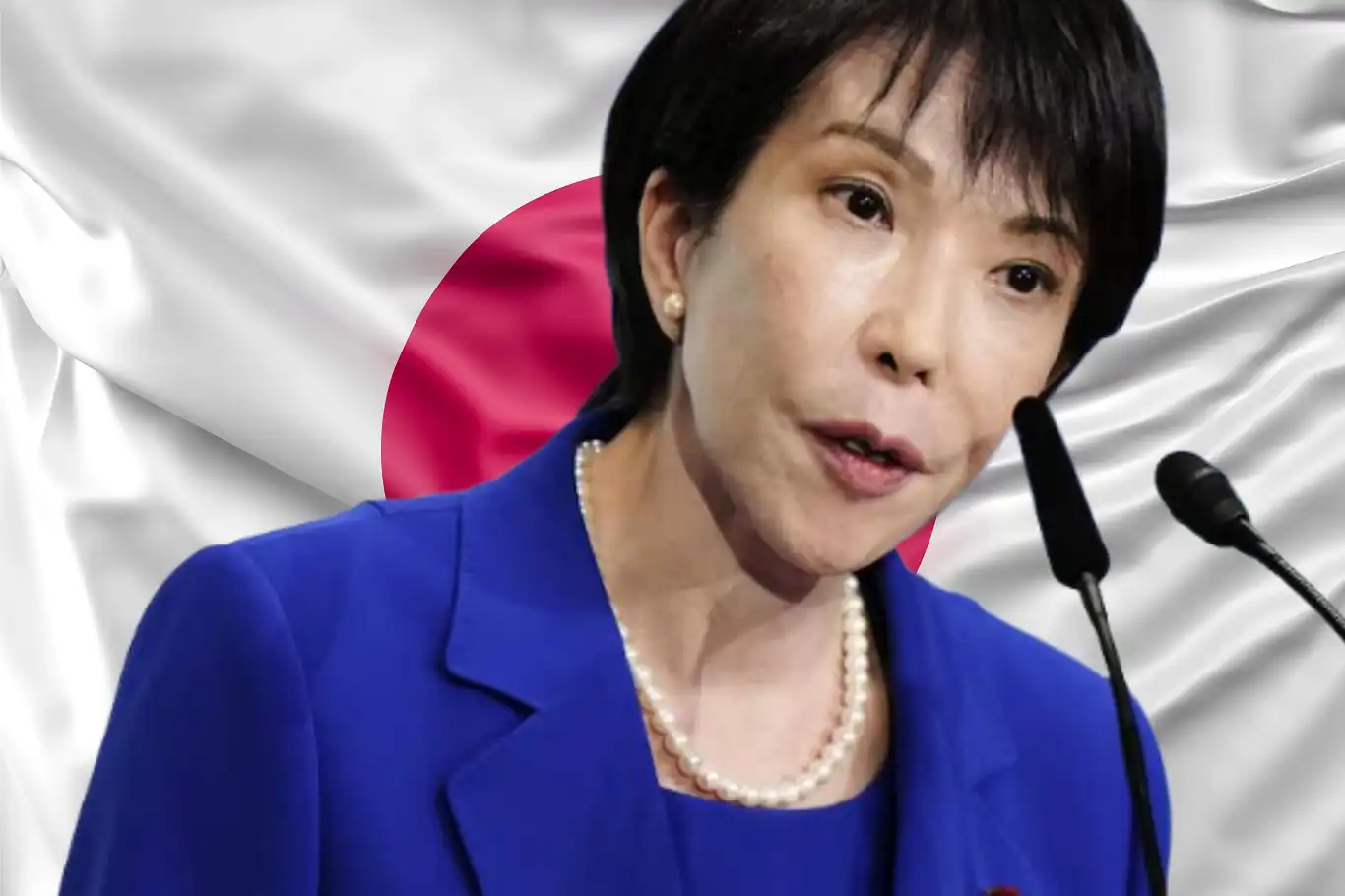
The Japanese government of Prime Minister Sanae Takaichi on Friday approved a record draft budget for the coming fiscal year, attempting a delicate balancing act of bolstering a fragile economy with massive spending while trying to placate jittery bond markets by curbing new debt issuance.
The ¥122.3 trillion ($783 billion) budget for the year starting in April is a core part of Takaichi's "proactive" fiscal policy, aimed at underpinning consumption. However, it risks accelerating inflation and further straining the industrial world's most heavily indebted public finances.
In a bid to soothe investor unease that has driven super-long government bond yields to record highs, the cabinet pledged fiscal discipline alongside spending. New bond issuance will be kept below ¥30 trillion for a second straight year. The budget's reliance on fresh debt will fall to 24.2%, its lowest level since 1998.
"We believe we have been able to draft a budget that not only increases allocations for key policy measures but also takes fiscal discipline into account, achieving both a strong economy and fiscal sustainability," Finance Minister Satsuki Katayama said at a press conference.
The efforts showed initial success, with the 30-year JGB yield falling from a record high after Reuters reported the government would cut new issuance of super-long bonds next fiscal year to a 17-year low.
The fiscal challenge is compounded by persistent inflation and a weak yen. Data on Friday showed core inflation in Tokyo, a leading indicator of national trends, rose 2.3% in December year-on-year, slowing from November but still staying above the Bank of Japan's 2% target for the 19th straight month.
The data supports the BOJ's view that cost-push inflation will cool below target in coming months before a more demand-led rise takes hold—a condition it sees as justifying further interest rate hikes. The BOJ raised rates last week to a 30-year high of 0.75%.
Analysts warned that the budget, while smaller than some market fears, does not eliminate fiscal risks. Spending is inflated by soaring debt-servicing costs and a 3.8% rise in military outlays to ¥9 trillion, aligning with Takaichi's assertive defence stance and U.S. calls for allied burden-sharing.
The weak yen remains a critical vulnerability. Finance Minister Katayama last week threatened currency intervention, saying the government was "alarmed" by one-sided moves. Yen bears have continued selling, betting that the BOJ's rate hikes will remain too gradual to close the gap with higher global interest rates.
As Japan navigates the narrow path between economic support and fiscal sustainability, the record budget underscores the high-wire act facing Prime Minister Takaichi in the year ahead. (ILKHA)
LEGAL WARNING: All rights of the published news, photos and videos are reserved by İlke Haber Ajansı Basın Yayın San. Trade A.Ş. Under no circumstances can all or part of the news, photos and videos be used without a written contract or subscription.

Istanbul’s Sabiha Gökçen International Airport has set new passenger and flight records following the commissioning of its second runway, highlighting the airport’s rising importance as a regional and global aviation hub on the city’s Asian side.

Türkiye’s monthly average labour cost stood at TRY 45,777 in 2024, according to the latest Labour Cost Statistics released for the reference year.

The Turkish Statistical Institute (TurkStat) announced on Thursday that confidence indices across major sectors of the economy displayed mixed trends in December, with gains recorded in services and retail trade, while the construction sector experienced a decline.

Small and medium-sized enterprises (SMEs) continued to form the backbone of Türkiye’s economy in 2024, accounting for nearly all enterprises operating in the industry and service sectors, according to data released by the Turkish Statistical Institute (TurkStat) on Wednesday.