Latvia completes 280-kilometer fence along Russian border
 13 oC
13 oC 
Güneşli

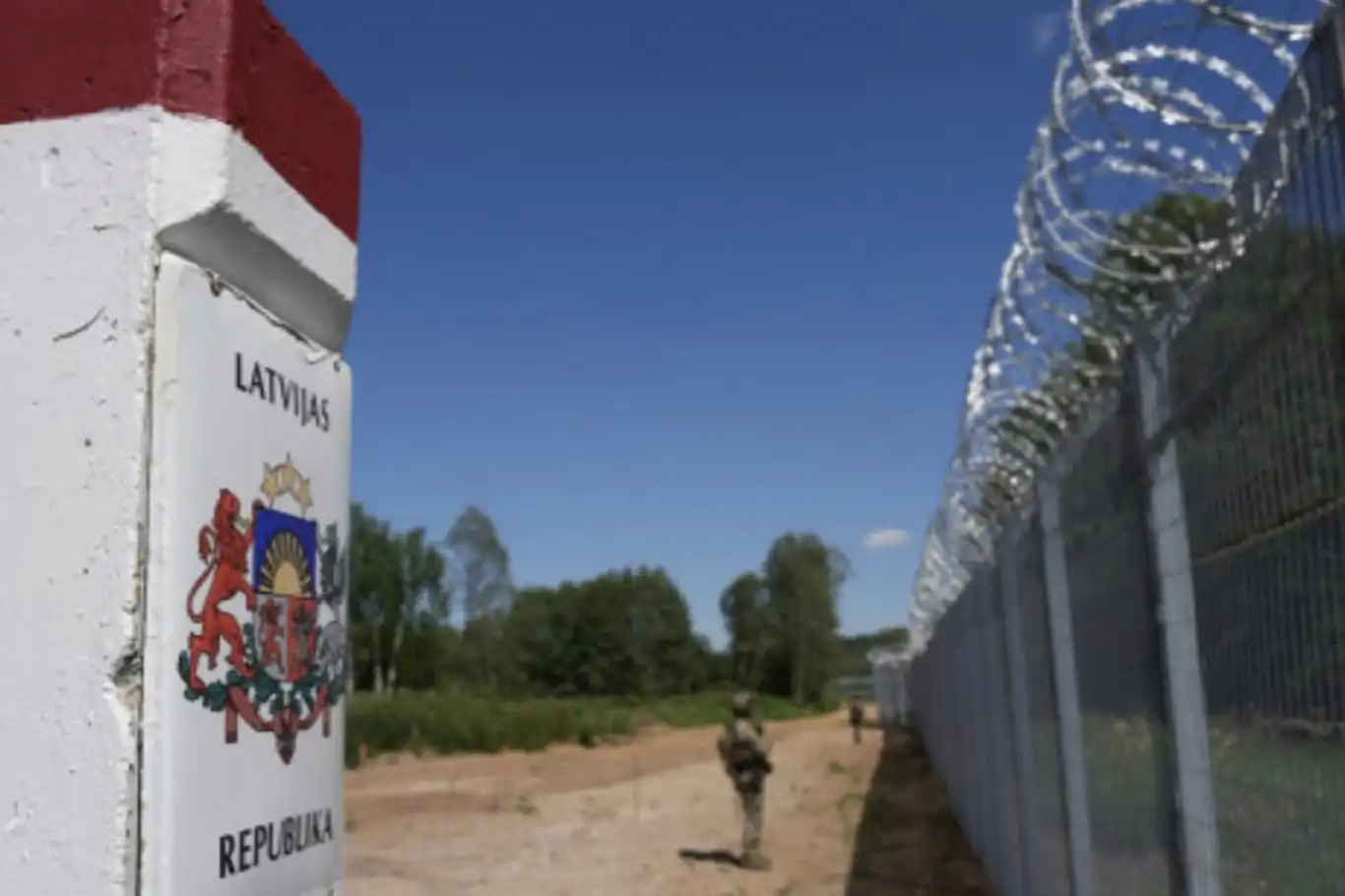
Latvia has completed the construction of a 280-kilometer (174-mile) fence along its border with Russia, marking a major step in the Baltic state’s efforts to strengthen border security amid ongoing tensions with Moscow.
According to a report by the Delfi news website, citing the state real estate company Valsts nekustamie īpašumi (VNI), the project cost approximately 17.9 million euros ($19.6 million). The fence is part of a broader regional strategy among Baltic and neighboring countries to reinforce their eastern borders in response to what they describe as growing security threats.
VNI stated that while the main fencing work has been finalized, construction is continuing on related border infrastructure. This includes patrol roads, pedestrian bridges across marshy terrain, watchtowers, and other engineering structures designed to enhance surveillance and rapid response capabilities. Most of the remaining infrastructure is expected to be completed by the end of 2026.
Interior Minister Rihards Kozlovskis said Latvia is now moving forward with the installation of advanced surveillance and monitoring systems along the border. He described the initiative as the creation of a “modern border protection system” on the European Union’s eastern frontier.
Finance Minister Arvils Ašeradens emphasized that the completed fence and supporting infrastructure would significantly strengthen the operational capacity of Latvia’s border guard service, improving its ability to monitor and control cross-border activity.
Latvia has already constructed a 145-kilometer fence along its border with Belarus and is not alone in its efforts. Neighboring Lithuania and Estonia are also building barriers along their borders with Russia, citing security concerns related to Moscow’s increased military activity and what regional governments have described as the weaponization of migration.
Elsewhere in Northern Europe, Finland is constructing its own fence along the Russian border, allocating approximately $143 million to secure up to 260 kilometers (162 miles) of its southeastern frontier. Helsinki has also announced plans to build additional fortifications, including bunkers and shelters designed to withstand potential artillery or missile attacks.
Poland has similarly strengthened its defenses, completing an $84-million electronic barrier along 199 kilometers (124 miles) of its border with Russia’s Kaliningrad exclave. The system excludes the Baltic Spit, where surveillance has long been conducted electronically. Polish authorities have said the barrier is partly intended to counter potential migration pressure, pointing to the initiation of flights to Kaliningrad from the Middle East and Africa.
Together, these measures reflect a broader regional push to enhance border security as geopolitical tensions between Russia and its neighbors remain high. (ILKHA)
LEGAL WARNING: All rights of the published news, photos and videos are reserved by İlke Haber Ajansı Basın Yayın San. Trade A.Ş. Under no circumstances can all or part of the news, photos and videos be used without a written contract or subscription.

The Orphans Foundation (Yetimler Vakfı) has conducted a distribution of hot meals to vulnerable families in Yemen, providing much-needed relief in a country still grappling with one of the world's worst humanitarian crises.
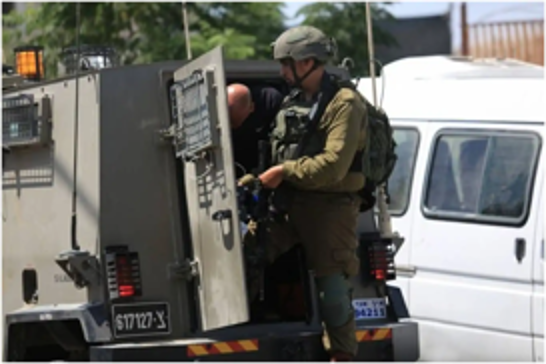
Israeli occupation forces (IOF) abducted dozens of Palestinians, including a journalist, during a series of overnight and dawn raids across several areas of the occupied West Bank on Tuesday, according to Palestinian sources.

Afghanistan’s Deputy Prime Minister for Economic Affairs, Mullah Abdul Ghani Baradar, held talks with the Director of Iranian Railways, Jabbar Ali Zakari, focusing on strengthening economic relations and expanding trade cooperation between the two neighboring countries.