London Metropolitan Police to expand live facial recognition technology in central districts
 13 oC
13 oC 
Güneşli

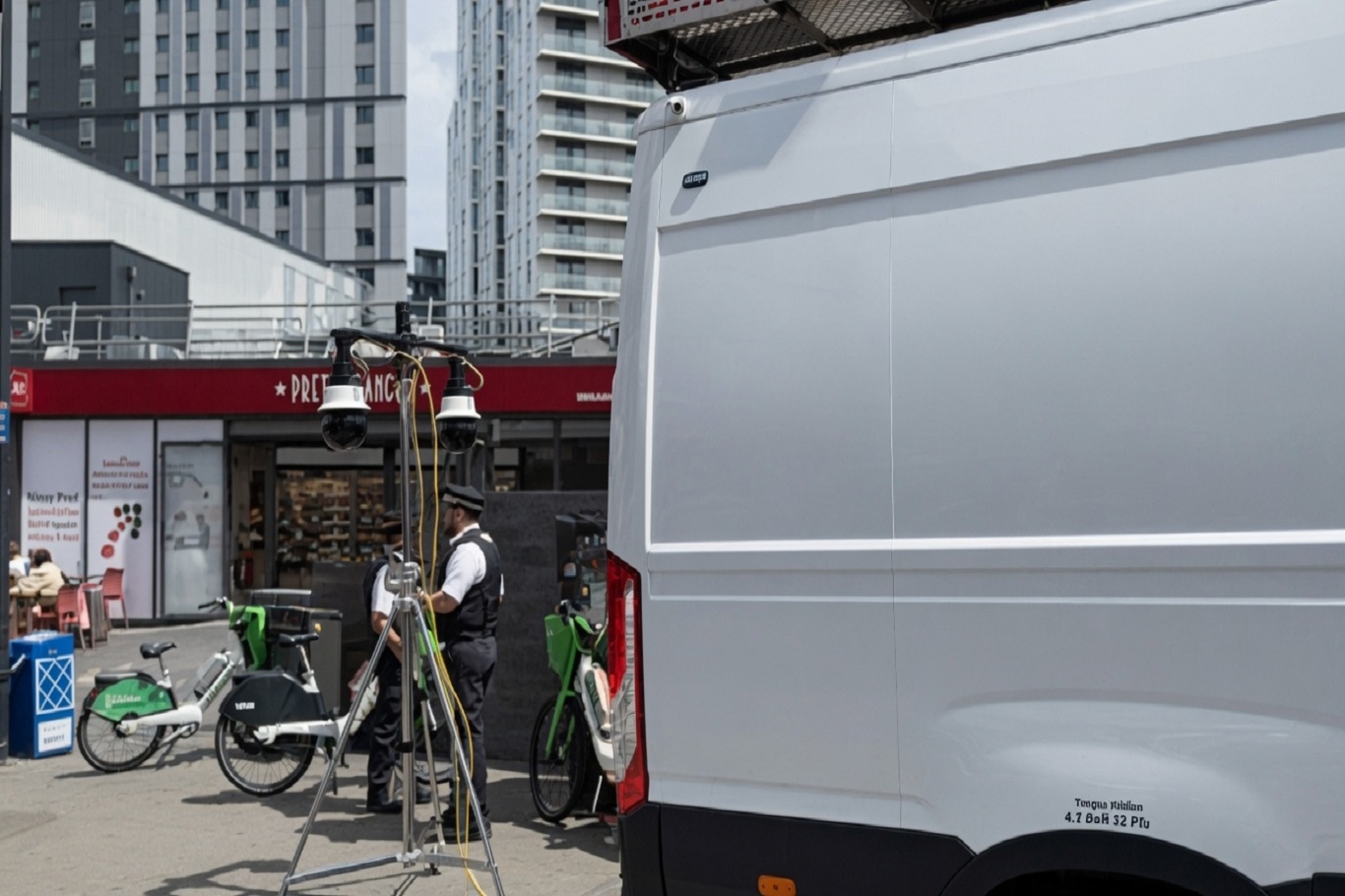
The Metropolitan Police Service (Met) in London has announced plans to significantly expand its use of Live Facial Recognition (LFR) technology, shifting from mobile deployments to permanent infrastructure in high-footfall areas.
According to official statements, fixed facial recognition cameras will be integrated into public infrastructure, such as street lamps, in London's West End and Soho districts by the end of the year. Financial and operational plans indicate the surveillance system will expand to six additional locations across the capital in 2027.
The operational framework involves scanning the faces of individuals walking past the designated camera locations and comparing the real-time biometric data against specific police watchlists of wanted individuals.
Pilot phase metrics and operational performance
The decision follows a six-month pilot program involving fixed cameras in Croydon, South London. Metropolitan Police data indicates that the system scanned 470,000 faces during the trial period, resulting in 173 arrests. Law enforcement officials reported one instance of a false match, noting that the individual involved was released immediately without being detained.
Metropolitan Police Commissioner Sir Mark Rowley defended the expansion, stating that the technology represents a significant advancement in modern policing capabilities. Commissioner Rowley noted that the permanent infrastructure would support ongoing efforts to reduce crime rates, adding that internal polling suggests approximately 80 percent of Londoners support its application.
Departmental officials emphasized that while the algorithm automates the initial identification process, the final decision to intercept or detain an individual is invariably conducted by a police officer.
Civil liberties concerns and technical oversight
The planned expansion has encountered opposition from civil liberties and privacy advocacy groups. Critics argue that the systematic scanning of millions of individuals unrelated to criminal investigations constitutes a disproportionate form of mass surveillance, effectively subjecting members of the public to digital screening. Concerns also persist regarding potential demographic biases within biometric algorithms, specifically relating to higher error rates for Black and minority individuals.
Silkie Carlo, Director of the civil liberties campaign group Big Brother Watch, described the infrastructure expansion as a concerning escalation that subjects individuals to continuous biometric monitoring during routine daily activities in central London.
In response to technical and ethical concerns, the Metropolitan Police stated that the system's algorithmic sensitivity settings have been updated to mitigate demographic bias. Authorities also confirmed that informational notices will be displayed in areas where LFR is active, and biometric data that does not generate a watchlist match will be deleted from the system almost instantaneously. (ILKHA)
LEGAL WARNING: All rights of the published news, photos and videos are reserved by İlke Haber Ajansı Basın Yayın San. Trade A.Ş. Under no circumstances can all or part of the news, photos and videos be used without a written contract or subscription.

Dozens of Israeli settlers, escorted by heavily deployed occupation police forces, stormed the courtyards of the blessed Al-Aqsa Mosque on Tuesday in a new provocation against one of Islam’s holiest sites, while Palestinian worshipers faced strict restrictions on access to the sanctuary.

Russian forces launched a new wave of attacks across multiple regions of Ukraine over the past 24 hours, killing at least five civilians and injuring 49 others, according to Ukrainian regional authorities.

U.S. President Donald Trump has renewed his controversial proposal to rename the U.S. Immigration and Customs Enforcement agency (ICE), suggesting that it be rebranded as “NICE” — short for National Immigration and Customs Enforcement.