Malaysia extends MH370 search mission for another year in bid to solve aviation mystery
 13 oC
13 oC 
Güneşli

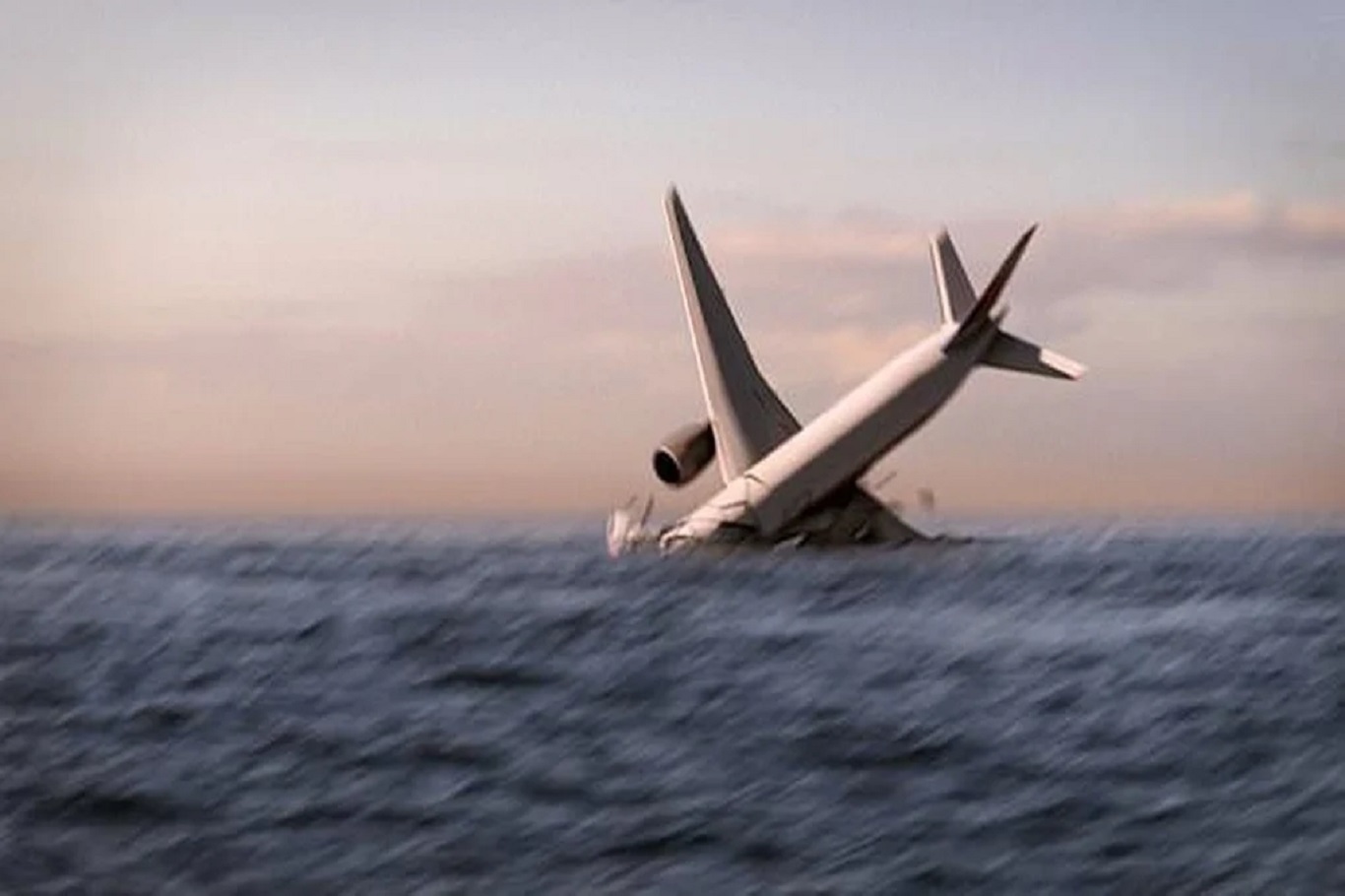
The Malaysian government has extended by one year its agreement with deep-sea exploration company Ocean Infinity to continue the search for the wreckage of missing Malaysia Airlines Flight MH370, renewing hopes of finding answers more than a decade after the aircraft vanished.
Malaysia’s Transport Ministry announced on Monday that the extension will allow Ocean Infinity to continue preparations and potential search operations in the southern Indian Ocean, where investigators believe the aircraft most likely came down.
Flight MH370, a Boeing 777 operated by Malaysia Airlines, disappeared on March 8, 2014, while traveling from Kuala Lumpur to Beijing with 227 passengers and 12 crew members on board. Despite one of the largest and most expensive search efforts in aviation history, the aircraft has never been found, leaving families of the victims without closure and fueling years of speculation about the plane’s fate.
The latest extension reflects Malaysia’s continued commitment to locating the aircraft and recovering evidence that could finally explain what happened during the flight's final hours. Ocean Infinity, a marine robotics and seabed exploration company, has previously conducted searches in remote sections of the Indian Ocean using advanced autonomous underwater vehicles capable of mapping vast areas of the ocean floor.
Over the years, investigators have recovered only a limited number of debris pieces believed to have originated from MH370. Several fragments were found along the coasts of countries bordering the western Indian Ocean, including parts of East Africa and islands in the region. Analysis of these items strengthened the theory that the aircraft crashed into the southern Indian Ocean after deviating significantly from its planned route.
A final report released by Malaysian investigators in 2018 concluded that the aircraft’s disappearance could not be fully explained due to the lack of physical evidence. Investigators noted that the aircraft’s course was likely deliberately altered, but they were unable to determine who was responsible or what circumstances led to the deviation.
In recent years, advances in satellite data analysis, ocean drift modeling, and underwater search technology have encouraged experts to revisit potential search zones. Ocean Infinity has indicated that new technical assessments and refined data could help narrow the search area and improve the chances of locating the aircraft.
Families of MH370 passengers have repeatedly urged authorities not to abandon the search, arguing that finding the aircraft remains essential for establishing the truth and providing long-awaited answers. Many relatives have welcomed Malaysia’s decision to continue cooperating with Ocean Infinity, viewing the extension as an important step toward resolving one of the world's most enduring aviation mysteries.
While no guarantee exists that the renewed effort will locate the aircraft, aviation experts say technological improvements and a more focused search strategy offer the best opportunity in years to uncover the fate of Flight MH370 and bring closure to a tragedy that has puzzled investigators and the public for more than twelve years. (ILKHA)
LEGAL WARNING: All rights of the published news, photos and videos are reserved by İlke Haber Ajansı Basın Yayın San. Trade A.Ş. Under no circumstances can all or part of the news, photos and videos be used without a written contract or subscription.

Russian attacks across Ukraine killed at least 15 people and injured at least 118 others over the past 24 hours, regional authorities said on Monday, as a morning strike on the central-eastern city of Dnipro added to the rising death toll.

Five people were killed in a shooting at a youth welfare facility in the northern German town of Stade on Monday, prompting a major police operation and the arrest of two suspects, authorities said. One of those detained is believed to be the gunman.
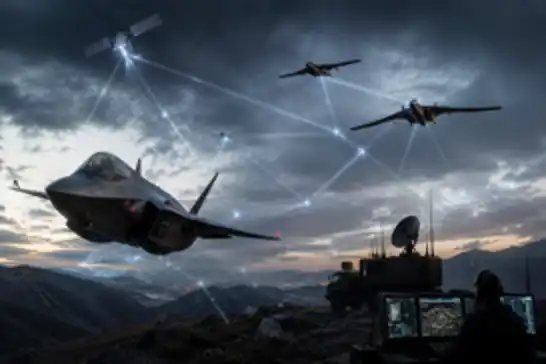
Germany is preparing to launch a €580 million defence programme to develop an independent next-generation air combat cloud linking fighter aircraft, unmanned aerial vehicles (UAVs), satellites and battlefield sensors into a single operational architecture, according to leaked Defence Ministry documents obtained by POLITICO.