Malcolm X: A voice of Islam and resistance honored worldwide
 13 oC
13 oC 
Güneşli

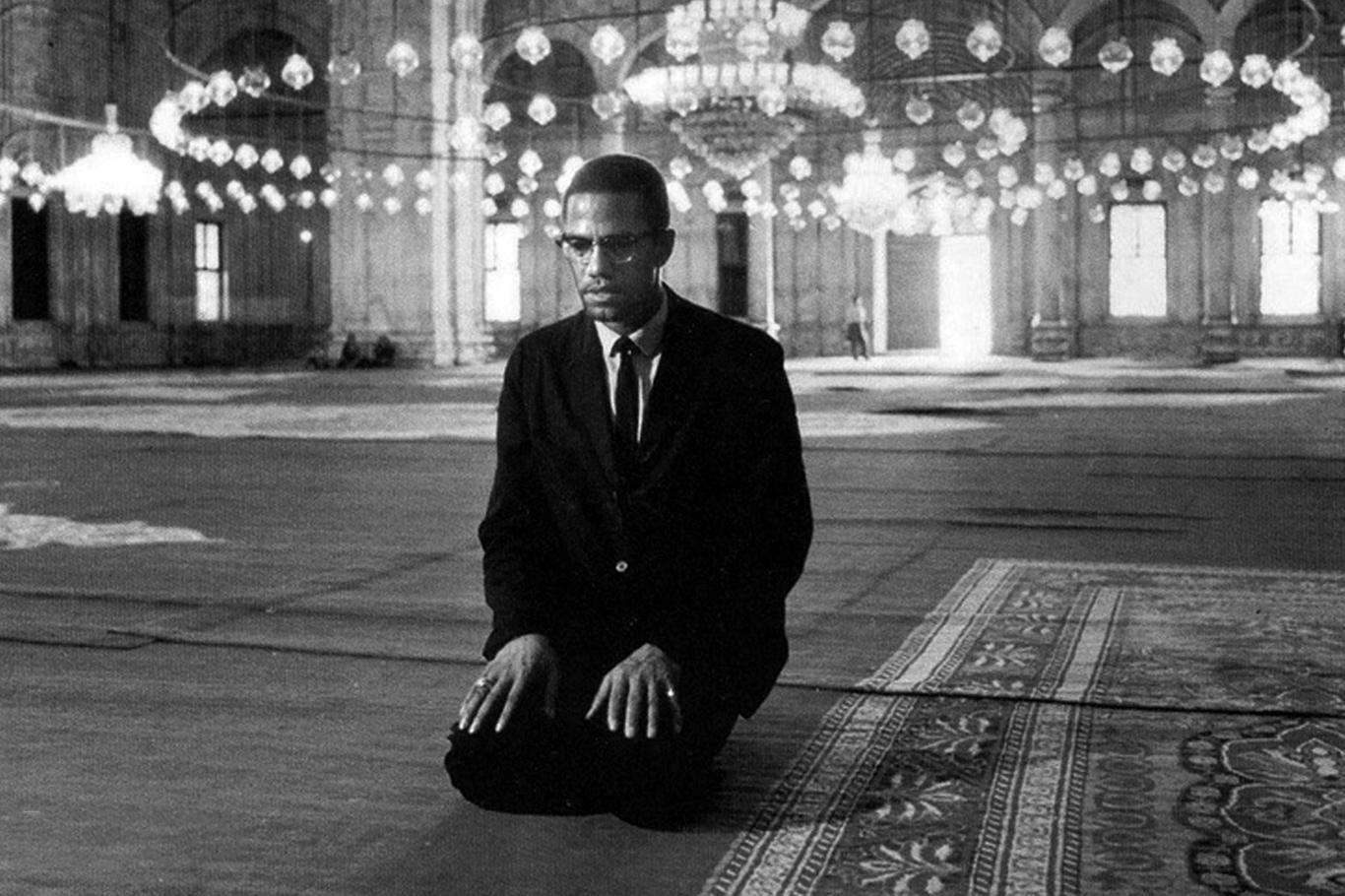
On the 61st anniversary of his assassination, Malcolm X is being commemorated across the globe as a steadfast Muslim leader who dedicated his life to confronting racism and calling humanity toward justice through Islam.
Born Malcolm Little in 1925, he overcame a childhood marked by racial terror and poverty to become one of the most influential figures in the struggle for civil rights in the United States. He was assassinated on February 21, 1965, while addressing supporters at the Audubon Ballroom in New York City. His killing at the age of 39 shocked the nation and reverberated throughout the Muslim world.
Early Struggles and Rise to Prominence
Malcolm X’s early life reflected the harsh realities of systemic racism in America. His family endured violent white supremacist attacks, their home was burned, and his father died under suspicious circumstances widely believed to be racially motivated. After his mother was institutionalized, he entered foster care and later became involved in street crime, resulting in a prison sentence in 1946.
While incarcerated, he immersed himself in self-education, studying history, philosophy, and religion. It was during this time that he encountered the teachings of the Nation of Islam, which emphasized moral reform, self-reliance, and Black empowerment. Upon his release in 1952, he became one of the most compelling representatives of the movement under Elijah Muhammad, attracting thousands with his eloquence and uncompromising stance against racial injustice.
By the early 1960s, Malcolm X had become one of the most recognizable Muslim figures in America, frequently appearing in national media and debating civil rights leaders and political figures. His speeches criticized systemic discrimination, police brutality, and what he described as the moral contradictions within American democracy.
Hajj and Embrace of Orthodox Islam
In 1964, Malcolm X undertook the Hajj pilgrimage to Mecca, a journey that profoundly transformed his understanding of Islam and race. Witnessing Muslims of all colors united in worship challenged his earlier beliefs about racial separation. He concluded that true Islam transcended race and offered a universal framework for justice and brotherhood.
Following this spiritual awakening, he adopted the name El-Hajj Malik El-Shabazz and founded Muslim Mosque, Inc., as well as the Organization of Afro-American Unity, seeking to internationalize the struggle of African Americans and frame it as a human rights issue before the global community.
His travels across Africa and the Middle East further broadened his perspective. He met with leaders and scholars, building connections between the African American struggle and anti-colonial movements worldwide. These engagements strengthened his conviction that Islam could serve as a unifying force against oppression.
Assassination, Investigations, and Renewed Scrutiny
After separating from the Nation of Islam, Malcolm X faced escalating threats. His home was firebombed days before his assassination. On February 21, 1965, he was shot multiple times as he prepared to speak at the Audubon Ballroom.
Three men were convicted of the murder. However, questions surrounding the investigation persisted for decades. In 2021, two of the convicted men were exonerated after new evidence emerged, leading to renewed debate over the roles of law enforcement agencies, including the FBI and NYPD, and whether critical information had been withheld.
The case continues to draw attention from historians, legal experts, and activists seeking full transparency.
Enduring Global Influence
Malcolm X’s legacy extends far beyond the United States. His autobiography, co-written with Alex Haley, remains one of the most widely read works on race, identity, and faith. His life story—marked by repentance, spiritual rebirth, and unwavering advocacy for justice—continues to inspire new generations.
His message emphasized self-dignity, accountability, and the transformative power of Islam. Today, mosques, community centers, and educational institutions around the world commemorate his contributions. Streets and public spaces in several countries bear his name, reflecting his global resonance.
More than six decades after his assassination, Malcolm X is remembered as a leader who courageously confronted injustice and ultimately embraced a vision of Islam rooted in unity and universal human dignity. His voice, though silenced by violence, continues to echo in movements striving for equality and moral accountability worldwide. (ILKHA)
LEGAL WARNING: All rights of the published news, photos and videos are reserved by İlke Haber Ajansı Basın Yayın San. Trade A.Ş. Under no circumstances can all or part of the news, photos and videos be used without a written contract or subscription.

Senior advisers to US President Donald Trump believe an Israeli government without Prime Minister Benjamin Netanyahu could be more receptive to Washington’s regional agenda, according to an Axios report published Saturday.

Nearly 1,000 people have been arrested across France during Saturday’s demonstrations over rising living costs and deteriorating education standards, Interior Minister Laurent Nunez said, warning that the figure was expected to increase.

At least 12 people were killed and more than 20 others injured when a passenger coach collided head-on with a minibus in Pakistan’s southwestern Balochistan province on Friday, police said.
Israeli occupation forces began evacuating Palestinians from the al-Jalda area of Al-Khalil early Saturday as the military launched a multi-day operation involving mass deployments, movement restrictions, arrests and demolitions across the occupied West Bank.