Mediterranean migration shifts as crossings to Greece spike by 260 percent
 13 oC
13 oC 
Güneşli

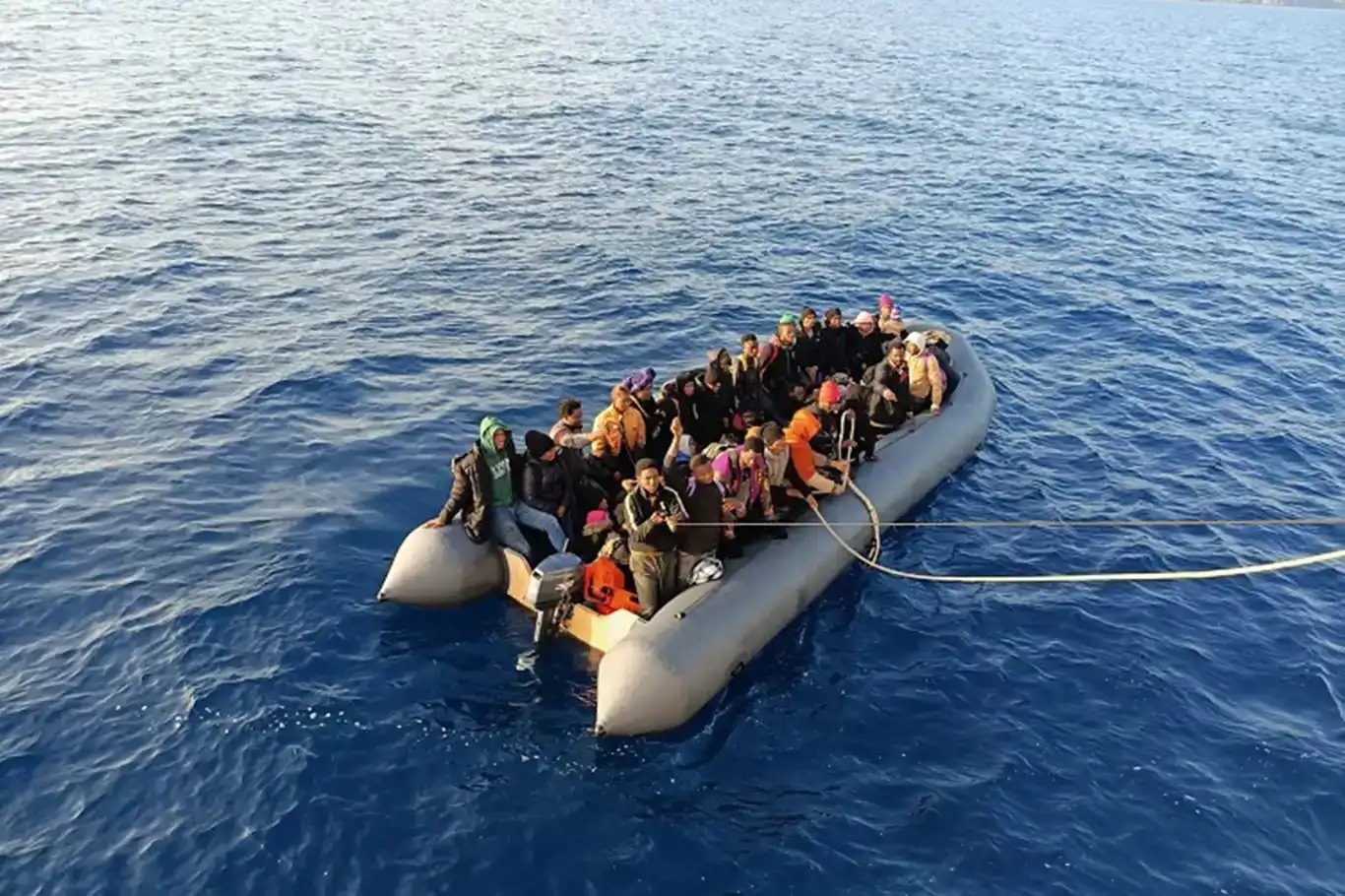
Irregular migrant movements from the coasts of eastern Libya toward Greece have experienced a dramatic spike over the past two years. Official European data indicates a 260 percent surge along the Libya-Crete corridor as eastern Libya cements its status as a central hub for new migration routes.
For years, the Italian island of Lampedusa served as the primary destination for migrants departing from Libyan shores. However, tighter surveillance implemented by Italy and the European Union along traditional pathways in western Libya and Tunisia has forced smuggling networks to adapt.
As a result, these trafficking rings have shifted their operations eastward, primarily concentrating around the coastal city of Tobruk. According to data from the Greek government, more than 7,300 irregular migrants reached the Greek islands of Crete and Gavdos in the first half of 2025 alone, surpassing the approximately 5,000 arrivals recorded during the entirety of 2024.
Greek Prime Minister Kyriakos Mitsotakis characterized the influx from eastern Libya as a major challenge for the European Union. Consequently, he called for enhanced cooperation with Libyan authorities to dismantle human trafficking networks.
Frontex and IOM Data Highlight the Surge
The European Border and Coast Guard Agency, Frontex, confirmed that irregular crossings along the Libya-Crete axis more than tripled in 2025 compared to the previous year. Furthermore, the agency warned that this migratory pressure is expected to persist throughout 2026.
While traditional routes in the Central Mediterranean leading to Italy saw a 59 percent decrease, activity along the Libya-Greece corridor escalated sharply. The route witnessed a 260 percent increase during the first 11 months of 2025.
Concurrently, the International Organization for Migration (IOM) identified Libya as a massive transit nation. The country hosted approximately 940,000 migrants by the end of 2025, with the largest demographics originating from Sudan, Niger, Egypt, Chad, and Nigeria.
Humanitarian Concerns and Fatalities
The United Nations Children's Fund (UNICEF) raised alarms regarding the growing number of children embedded in these migration flows. The agency emphasized that unaccompanied minors face severe vulnerabilities, including human trafficking, physical violence, systemic exploitation, and a critical lack of access to basic services.
Ongoing conflict in Sudan has further exacerbated regional displacement, adding to the humanitarian strain. This crisis has left an estimated 215,000 Sudanese refugee children inside Libya looking for safety.
The shifting logistics of smuggling networks have not mitigated the deadly risks associated with the crossing. The IOM’s Missing Migrants Project documented more than 1,300 deaths or disappearances along the Central Mediterranean route in 2025.
The extreme perils of the passage were underscored again in June 2026. A migrant vessel capsized off the coast of eastern Libya, leaving 51 individuals dead or missing in the Mediterranean.(ILKHA)
LEGAL WARNING: All rights of the published news, photos and videos are reserved by İlke Haber Ajansı Basın Yayın San. Trade A.Ş. Under no circumstances can all or part of the news, photos and videos be used without a written contract or subscription.

Israeli forces kidnaped 11 Palestinians, including a woman, during pre-dawn raids on Wednesday, intensifying the ongoing campaign of repression against the Palestinian population under illegal Israeli occupation.

Russia’s Defence Ministry announced on Wednesday that its forces have taken control of the village of Ivolzhanske in northeastern Ukraine’s Sumy region, marking a reported advance in the ongoing conflict.

Germany witnessed a record surge in anti-Muslim attacks and discrimination in 2025, with more than 4,000 documented incidents reported across the country, according to a new report released by the Alliance Against Islamophobia and Anti-Muslim Hate.
Nearly three million children and adolescents are at risk as a worsening Ebola outbreak spreads across eastern Democratic Republic of the Congo (DRC), prompting renewed concerns over child mortality, orphanhood, and the collapse of essential services, according to UNICEF.