Nationwide strikes and protests sweep Greece over wages, working conditions
 13 oC

Güneşli

Teachers, students, hospital doctors and civil servants staged nationwide strikes and demonstrations across Greece on Wednesday, October 21, demanding higher wages, better working conditions, increased public investment and urgent measures to address the rising cost of living.
The protests reflect growing frustration over low pay, staff shortages in public services, deteriorating school infrastructure and the escalating cost of housing, particularly for university students struggling to afford accommodation.
The main education-related demonstration was scheduled for noon outside the historic Propylaea building of the University of Athens in central Athens. Hospital doctors also planned to rally at the Ministry of Finance, while demonstrations were scheduled in Thessaloniki, Patras and other cities across the country.
The Greek Primary Teachers’ Federation (DOE) called a nationwide 24-hour strike, while the Federation of Secondary School Teachers (OLME) announced a work stoppage from 11 a.m. to 2 p.m. The secondary teachers’ union also encouraged local branches to organise additional stoppages earlier in the day.
The Civil Servants’ Confederation (ADEDY) called on public-sector employees to stop work from 11 a.m. until the end of the working day to participate in the demonstrations. Hospital doctors also launched nationwide industrial action over wages, staffing shortages and conditions in the public healthcare system.
Workers demand higher wages and better public services
Teachers and other public-sector workers are demanding substantial salary increases, permanent recruitment to fill vacancies, improved working conditions and greater government funding for education and healthcare.
The unions have also called for the restoration of Greece’s 13th and 14th monthly salaries, which were eliminated during the country’s debt crisis, arguing that workers’ purchasing power has been eroded by rising living costs.
Secondary school teachers have highlighted persistent staffing shortages, with OLME estimating that at least 15,000 teaching positions remain unfilled. The union is calling for immediate recruitment, permanent employment and smaller class sizes to improve educational conditions.
Hospital doctors are demanding higher pay, the recruitment of permanent medical staff and increased funding for public healthcare. Their union, OENGE, has called for monthly earnings to be doubled and for the restoration of the additional annual salaries.
The doctors say staffing shortages and difficult working conditions are undermining the public health system, while calling for resources to be directed towards healthcare workers and patients.
Students protest soaring rents and education costs
University and school students have joined the demonstrations, placing affordable housing and access to free public education at the centre of their demands.
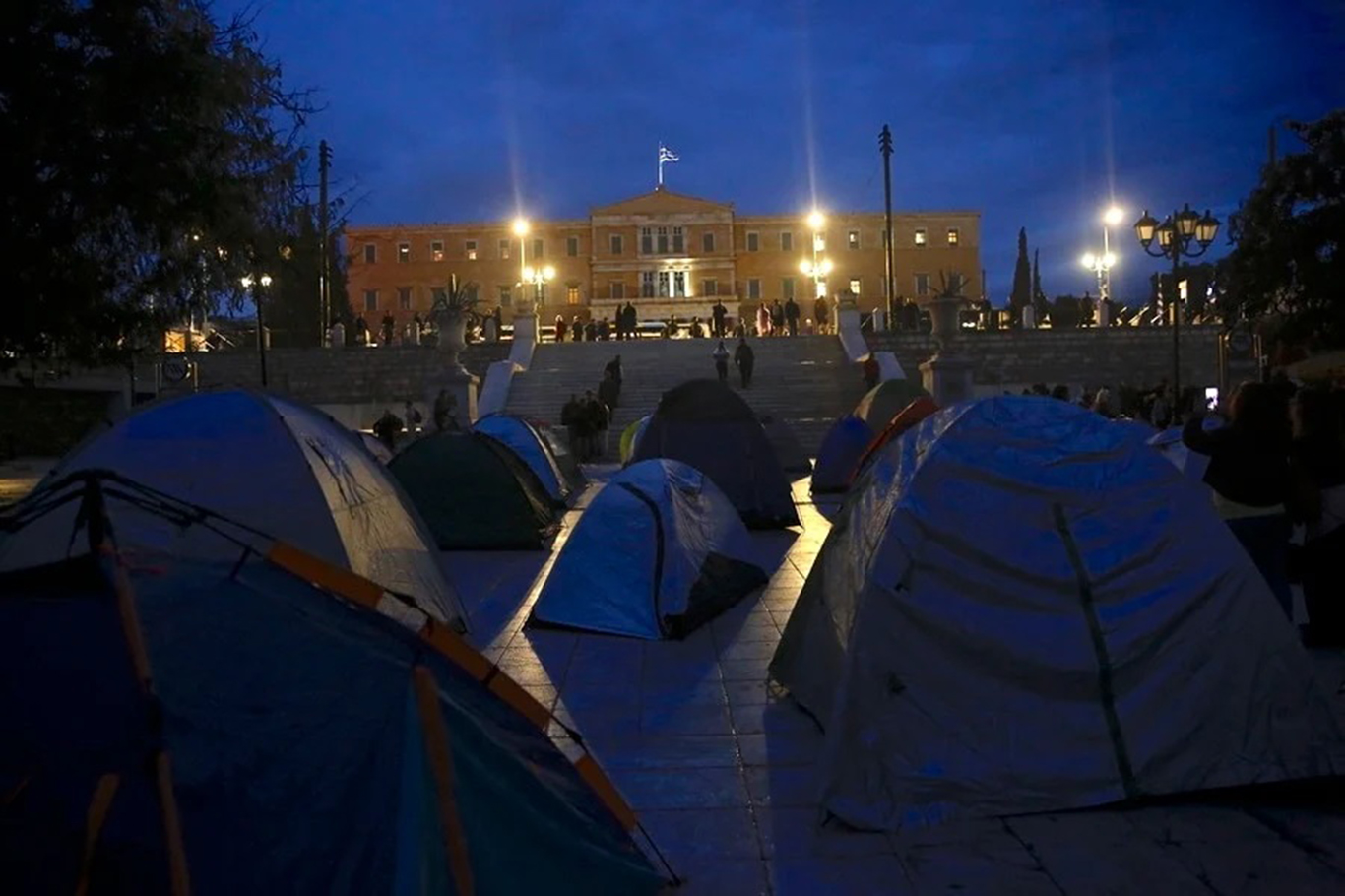
The latest mobilisation follows protests on Tuesday, when university students pitched tents in Athens’ Syntagma Square and in Thessaloniki, Patras and Ioannina to draw attention to the cost of studying and the shortage of affordable accommodation.
Student associations are demanding lower rents, increased housing allowances, more places in student residences and greater state funding for universities. They are also calling for free meals and transport for students, arguing that accommodation, food and other basic expenses are placing an increasing burden on families.
Students have linked the housing crisis to wider concerns over the rising cost of living, warning that financial pressures threaten equal access to higher education.
School pupils are also protesting over teacher shortages, inadequate school facilities and insufficient public funding. Their demands include safer school buildings, better-equipped laboratories and improved educational resources.
Public transport largely operational, but metro stations close
The demonstrations have prompted temporary transport restrictions, although no general public transport strike has been announced in Athens.
Athens’ Panepistimio metro station was scheduled to close at 10 a.m. on Wednesday, while metro, bus, trolleybus and tram services were expected to operate largely as normal. Demonstrations and marches through central Athens were nevertheless expected to cause traffic disruption.
In Thessaloniki, five metro stations — Dimokratias, Venizelou, Agias Sofias, Sintrivani and Panepistimio — were scheduled to close temporarily from 9 a.m. under police instructions. Trains were expected to pass through the affected stations without stopping.
Protests reflect wider European discontent
The demonstrations in Greece come amid a broader wave of protests across Europe over living costs, housing affordability, wages and pressure on public services.
Similar grievances have fuelled demonstrations in France and other European countries, where workers and students have increasingly mobilised over economic insecurity and deteriorating public services.
In Greece, the convergence of teachers, students, healthcare workers and civil servants has brought several longstanding concerns into a common protest movement, with demonstrators demanding that the government address declining purchasing power, staffing shortages and barriers to affordable education.
The mobilisation highlights the growing pressure on public institutions and households as workers and students seek concrete measures to improve living standards and strengthen essential public services. (ILKHA)
LEGAL WARNING: All rights of the published news, photos and videos are reserved by İlke Haber Ajansı Basın Yayın San. Trade A.Ş. Under no circumstances can all or part of the news, photos and videos be used without a written contract or subscription.

French Prime Minister Sébastien Lecornu has announced a major security operation for nationwide demonstrations planned for Saturday, October 24, as the government braces for renewed unrest following violent protests over the rising cost of living and deteriorating public services.
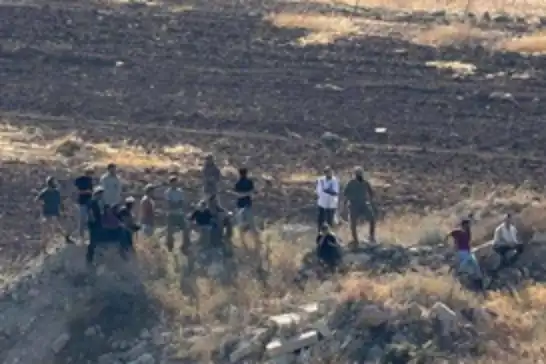
Israeli settlers assaulted and temporarily detained several Palestinians in the occupied West Bank on Tuesday night, in the latest reported incident of settler violence targeting Palestinian residents.
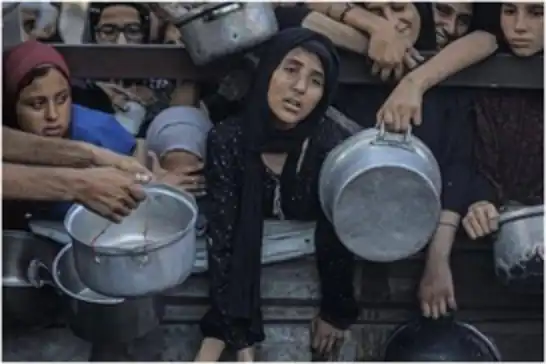
The United Nations World Food Programme (WFP) has warned that severe funding shortages will force it to significantly reduce food assistance across the Gaza Strip, leaving 500,000 Palestinians without critical support at a time when widespread hunger continues to grip the enclave.
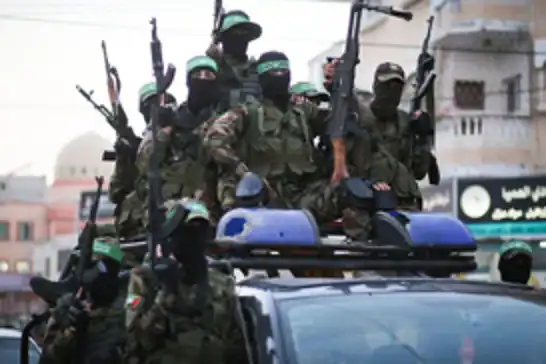
Rada, a force affiliated with Palestinian resistance security in the Gaza Strip, said Tuesday that it had killed and wounded members of a group it accused of collaborating with Israel in an ambush in southern Gaza, despite intensive Israeli aerial surveillance.