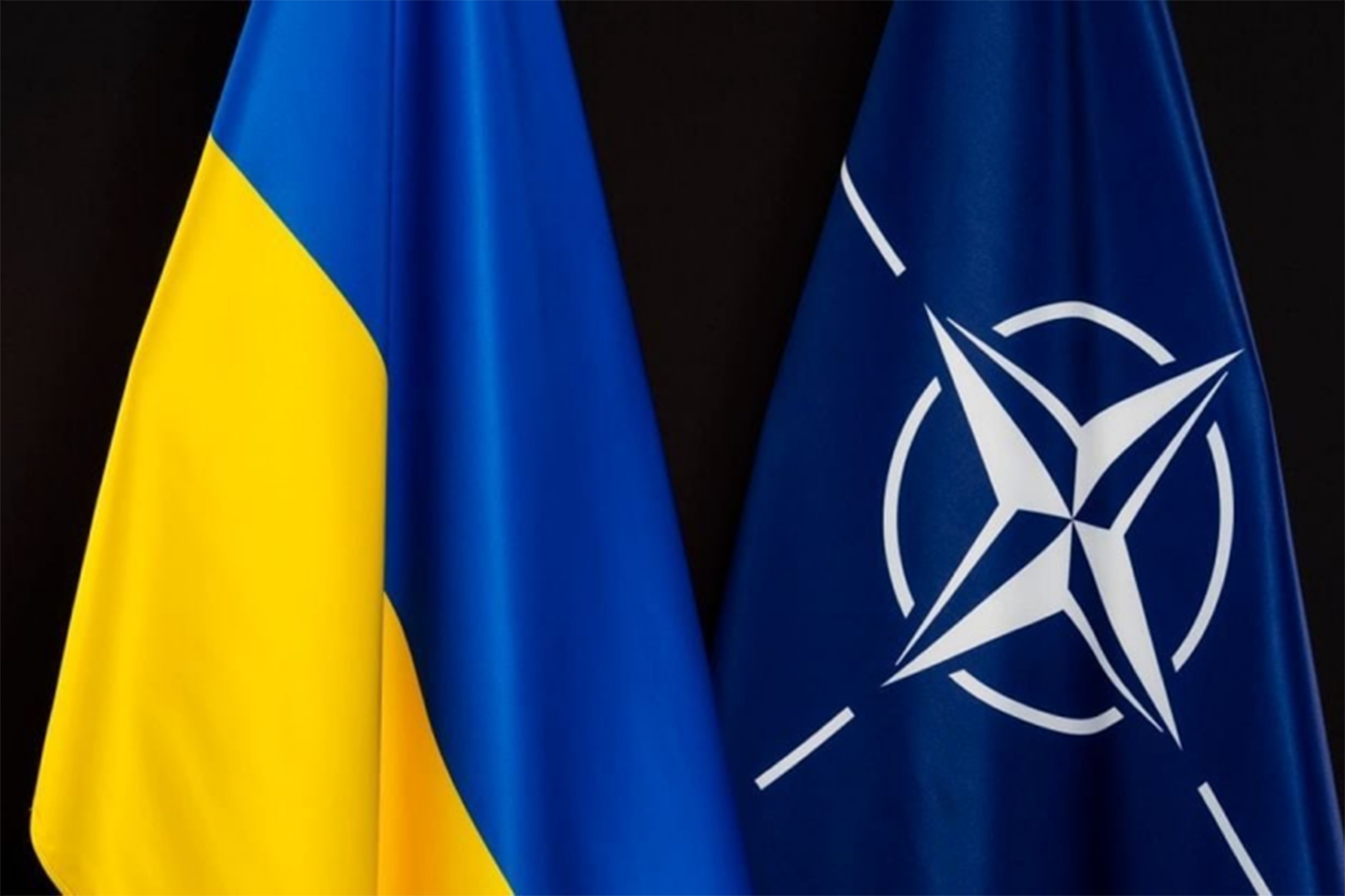
NATO considers €70 billion military aid package for Ukraine ahead of Ankara summit
 13 oC
13 oC 
Güneşli

NATO allies are engaged in intensive negotiations over a proposed €70 billion ($80.6 billion) military assistance package for Ukraine, with Alliance members aiming to finalize the initiative ahead of the NATO summit scheduled for July 7-8 in Ankara.
According to diplomatic sources, the ambitious funding framework, originally proposed by Germany, is expected to become one of the central issues on the summit agenda as NATO seeks to demonstrate its long-term commitment to supporting Ukraine amid the ongoing conflict with Russia.
The proposal not only establishes a significant new financial target for Kyiv’s defense needs but also introduces a comprehensive monitoring mechanism intended to provide greater transparency regarding individual member states’ contributions.
Alliance officials say the initiative is partly designed to address concerns among several NATO members that the financial and military burden of supporting Ukraine has been distributed unevenly.
A senior NATO diplomat said one of the primary objectives of the Ankara summit is to secure a durable and predictable framework that ensures all allies contribute more equitably to Ukraine’s defense.
An Alliance representative confirmed that consultations remain ongoing regarding how best to maintain strong support for Kyiv while ensuring a fairer division of responsibilities among NATO member states.
The proposed package would combine resources from both European Union and national funding channels.
Under the current plan, approximately €30 billion would be drawn from an already approved €90 billion EU loan facility. The remaining €40 billion would be provided directly by NATO member states through bilateral military assistance programs.
Supporters of the proposal argue that such a blended approach reflects the reality that most NATO members are also members of the European Union.
One senior NATO diplomat defended the structure, saying it would be inefficient to require countries to contribute twice toward the same procurement and defense objectives.
However, some allies have expressed reservations, warning that access to centralized EU funding could encourage certain governments to reduce their own direct military support for Ukraine.
Ukraine has welcomed discussions surrounding the new funding framework but has urged allies to ensure that resources are directed toward the country's most urgent military requirements.
Ukraine’s ambassador to NATO, Alona Getmanchuk, emphasized that future assistance should prioritize advanced air defense systems, expanded domestic drone and missile production, and sustained supplies of long-range munitions.
According to Ukrainian officials, these capabilities remain critical as the conflict increasingly centers on long-range strikes, air defense operations, and industrial-scale weapons production.
The funding negotiations come amid broader discussions about Europe’s defense responsibilities and the future balance of transatlantic security cooperation.
Ahead of the Ankara summit, German Chancellor Friedrich Merz is expected to host leaders from France, the United Kingdom, Italy, and Poland in Berlin as part of the so-called "E5" group.
The meeting is intended to coordinate a unified European strategy and demonstrate Europe's readiness to assume a greater share of responsibility for regional security.
Diplomatic efforts have intensified amid growing tensions between European capitals and the administration of U.S. President Donald Trump over defense priorities and security commitments.
Recent disagreements regarding maritime security operations in the Middle East have further strained relations across the Atlantic. The White House has also announced plans to accelerate the withdrawal of more than 5,000 U.S. troops from Germany while significantly reducing certain long-range strike capabilities stationed in Europe.
Against this backdrop, NATO leaders view the proposed €70 billion package as both a mechanism for sustaining military support to Ukraine and a test of Europe's capacity to shoulder a larger role in safeguarding regional security.
If approved, the initiative would represent one of the largest coordinated military assistance commitments to Ukraine since the start of the war and could become a defining outcome of the upcoming NATO summit in Ankara. (ILKHA)
LEGAL WARNING: All rights of the published news, photos and videos are reserved by İlke Haber Ajansı Basın Yayın San. Trade A.Ş. Under no circumstances can all or part of the news, photos and videos be used without a written contract or subscription.
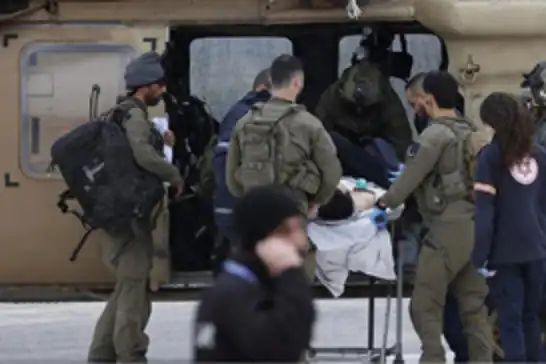
The Israeli military has acknowledged that four soldiers were injured after being targeted by an FPV drone strike in southern Lebanon, as cross-border confrontations with Lebanese resistance groups continue to intensify along the frontier.
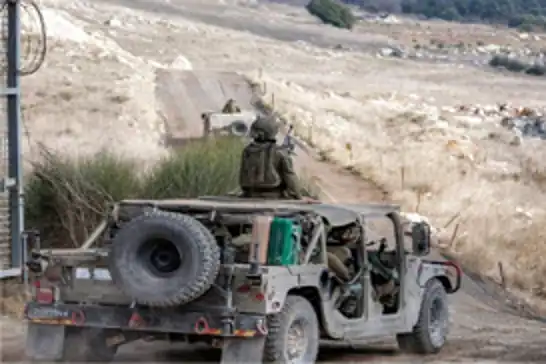
Israeli occupation forces carried out overnight incursions into areas of northern and southern Quneitra countryside, detaining five young men, including minors, according to local reports.

Authorities are searching for suspects after at least 12 people were shot near a popular street festival in Toledo, Ohio, in an incident police say may have involved an exchange of gunfire between two individuals.

Polling stations opened across Armenia on Sunday at 8 a.m. local time (0400 GMT) as voters began casting ballots in parliamentary elections that could shape the country’s geopolitical future, its relations with Russia and the West, and prospects for peace with Azerbaijan.