NATO drops plans for 2027 Albania summit amid internal disagreements
 13 oC

Güneşli

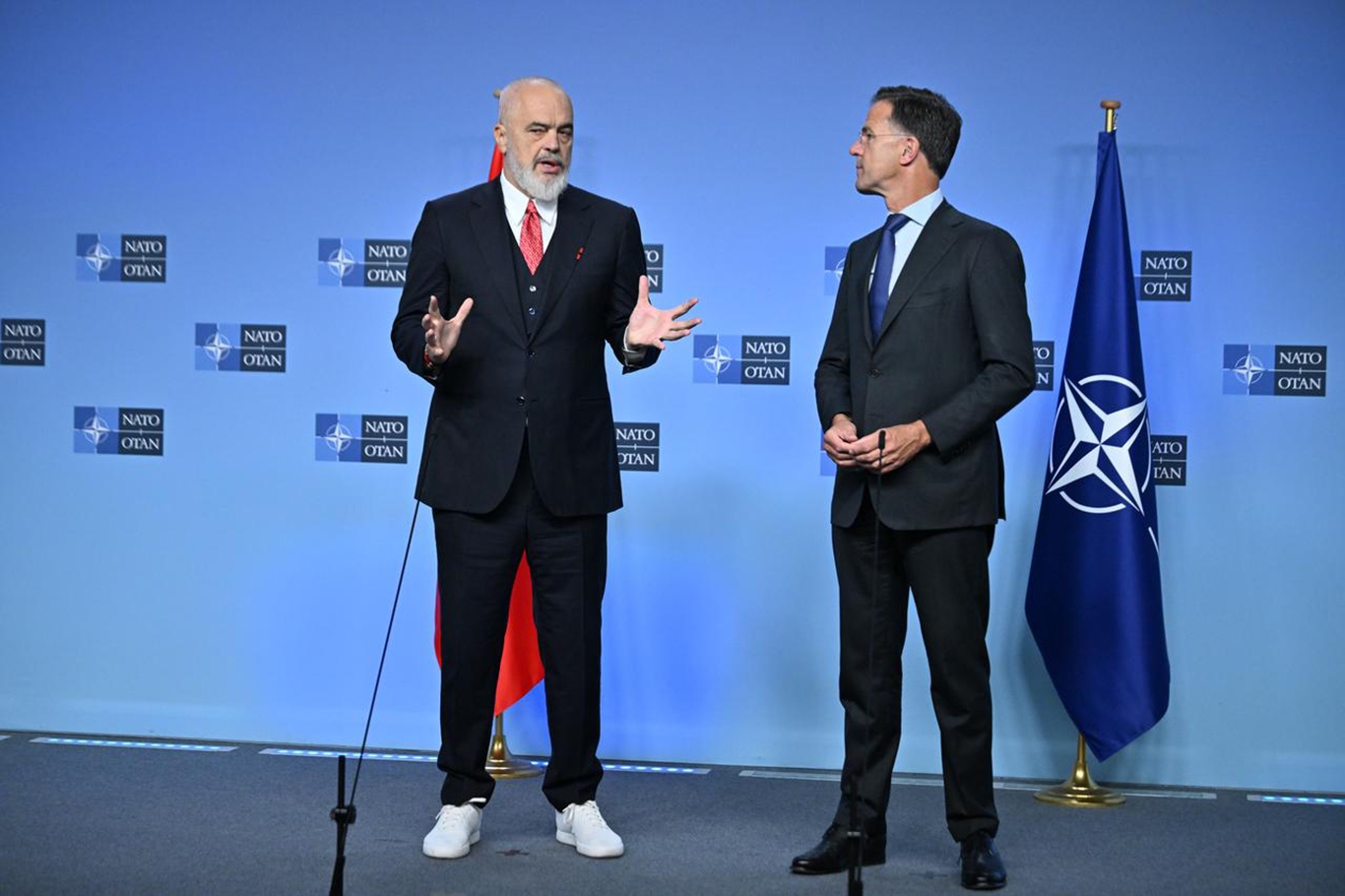
NATO has decided not to hold the leaders’ summit planned for Albania in 2027 amid ongoing disagreements within the alliance over defence spending, Iran-related policies and the war in Ukraine.
Albanian Prime Minister Edi Rama announced that there was no longer a common position within the alliance on when the summit would be held, stating that it would “definitely not” take place in 2027.
Rama said that if the summit is held in 2028, it would still be hosted in the Albanian capital, Tirana.
NATO Secretary-General Mark Rutte sought to downplay the issue, saying that the alliance remained flexible regarding summit schedules.
“We are flexible when it comes to NATO summits. We hold summits when we need them,” Rutte said.
NATO reduces high-level meetings
The decision comes as part of a broader restructuring plan aimed at reducing the number of high-level NATO meetings.
Under the plan, the defence ministers’ meeting, which is normally held every October, was not organised in October 2026 and is not currently planned for October 2027.
The number of foreign ministers’ meetings has also reportedly been reduced from two sessions annually to one.
The move has been linked to efforts to streamline NATO’s decision-making process and adjust the alliance’s meeting schedule.
Disagreements over defence spending and Ukraine support
One of the main sources of tension within NATO has been defence spending.
The United States has been urging European allies to significantly increase their defence budgets beyond the previous target of 2 per cent of gross domestic product (GDP), with discussions including higher targets.
The issue has caused concerns among some European countries facing economic challenges and increased financial pressures.
Another point of disagreement has been NATO’s approach toward Iran. Some European allies have expressed concerns over policies that could lead to wider regional instability and possible energy-related consequences.
Different views on Ukraine war
The war in Ukraine remains another major issue creating differences among NATO members.
While some allies support continuing military assistance to Ukraine, others have expressed different views regarding the future direction of the conflict and the level of support that should be provided.
NATO Secretary-General Rutte’s proposal that all member states allocate 0.25 per cent of their GDP for military support to Ukraine has reportedly faced limited backing among alliance members.
The discussions reflect broader debates within NATO over defence priorities, relations with global powers and the alliance’s future strategy. (ILKHA)
LEGAL WARNING: All rights of the published news, photos and videos are reserved by İlke Haber Ajansı Basın Yayın San. Trade A.Ş. Under no circumstances can all or part of the news, photos and videos be used without a written contract or subscription.

Thousands of customers at major US financial institutions reported difficulties accessing their accounts and completing transactions on Monday, as technical disruptions affected online banking services and digital payment platforms.

Israeli occupation forces have committed 6,233 violations of the ceasefire agreement in the Gaza Strip since it came into effect in October 2025, while their continued attacks have killed 1,650 Palestinians and wounded nearly 6,000 others, Gaza's authorities said Monday.
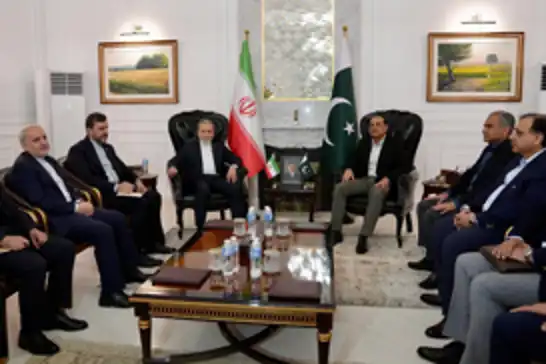
Iranian Foreign Minister Abbas Araghchi met with Pakistan's Chief of Army Staff, Field Marshal Syed Asim Munir, in Islamabad on Monday to discuss regional and international developments and ways to strengthen bilateral cooperation.