Nicaragua’s Ortega says country will not hold any more elections
 13 oC
13 oC 
Güneşli
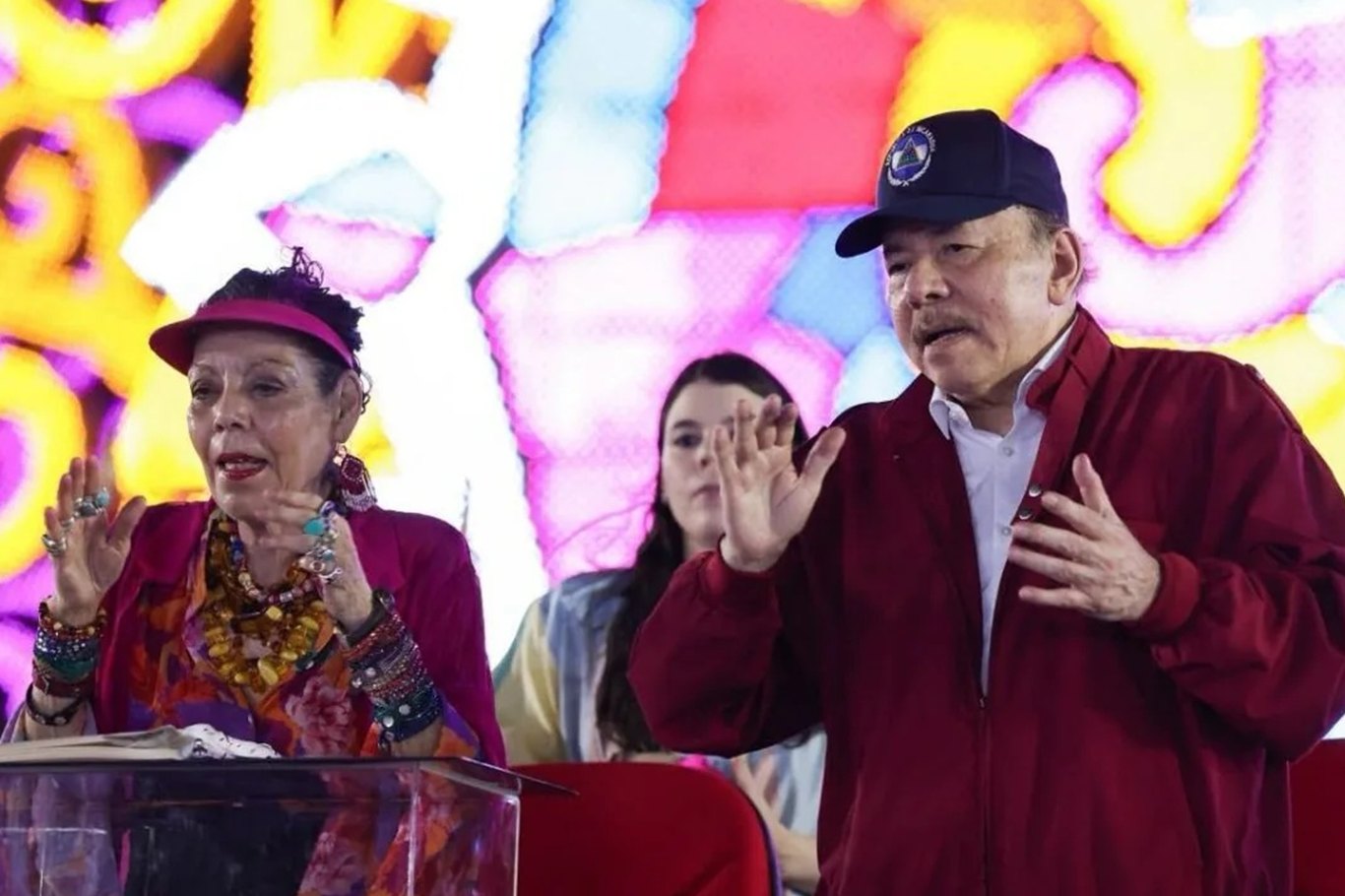
Nicaraguan President Daniel Ortega announced that the country will hold no further elections to prevent opposition groups from returning to power, marking a significant shift in the country's political landscape.
Speaking during official celebrations marking the 47th anniversary of the 1979 Sandinista Revolution on Sunday, Ortega said his government would work with the National Assembly to introduce new legislation aimed at preventing what he described as attempts to destabilize the country.
"There will be no more elections here so that they can try to seize the government, seize power," Ortega told supporters gathered for the anniversary event.
The 80-year-old leader, who has served as president since 2007 after previously leading the country in the 1980s, also said his administration would pursue laws designed to "build a wall" against what he called "coup plotters" and "traitors."
"We will work with the National Assembly and the relevant institutions on laws, because we need laws that build a wall, a barrier, against the coup plotters and the traitors who sell out their country," Ortega said.
The announcement came during a public appearance that marked Ortega's first in 61 days.
The statement has drawn attention because Nicaragua is scheduled to hold presidential elections next year. Ortega did not clarify whether the elections would be formally canceled or whether opposition parties would simply be prevented from participating.
Critics say Nicaragua's democratic institutions have steadily weakened under the leadership of Ortega and his wife, Rosario Murillo, who serves as co-president.
Political analysts described the latest remarks as a notable escalation in the government's stance toward the political opposition.
Tiziano Breda, Senior Latin America Analyst at the Armed Conflict Location and Event Data (ACLED), said the announcement represents a major turning point.
"With this decision, Ortega and Murillo have sealed the country's transition to a full-fledged family dictatorship," Breda said.
Ortega first came to power following the Sandinista Revolution, which overthrew the dictatorship of Anastasio Somoza in 1979. After leaving office in 1990, he returned to the presidency in 2007 and has remained in power ever since.
In the 2021 presidential election, the government barred several opposition parties from participating and detained multiple opposition presidential hopefuls before the vote, moves that drew widespread international criticism.
The latest announcement has further fueled concerns over the future of political pluralism and democratic governance in Nicaragua as the country approaches its next scheduled electoral cycle. (ILKHA)
LEGAL WARNING: All rights of the published news, photos and videos are reserved by İlke Haber Ajansı Basın Yayın San. Trade A.Ş. Under no circumstances can all or part of the news, photos and videos be used without a written contract or subscription.
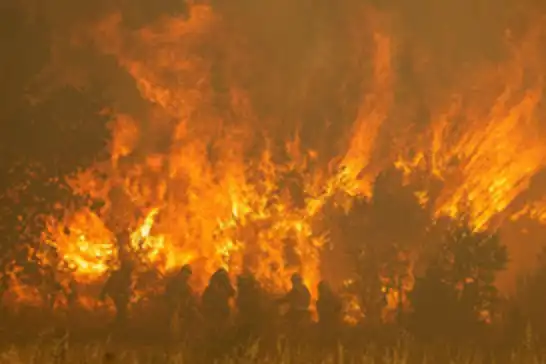
Spain's largest wildfire of the year continued to burn out of control on Tuesday, entering its sixth day as firefighters battled to contain the massive blaze amid forecasts of another intense heatwave expected to worsen already dangerous conditions across the country.
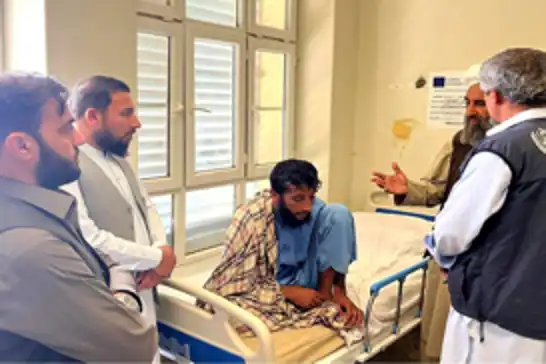
Afghanistan recorded a sharp increase in suspected Crimean-Congo hemorrhagic fever (CCHF) cases in June, with 483 suspected infections and 21 deaths, as health officials linked the surge to increased livestock handling during Eid al-Adha.

The Czech government has approved a proposal to introduce a nationwide ban on the use of mobile phones and other electronic communication devices in schools, endorsing a draft amendment to the country's education law aimed at reducing distractions and limiting the negative effects of excessive screen use among children.
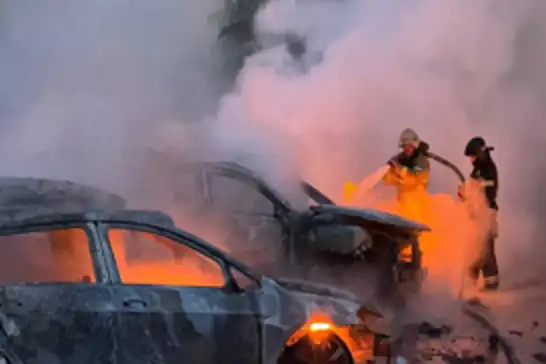
Eight people were killed and 77 others injured in Ukrainian attacks on Russia's Belgorod region over the past 24 hours, Russian regional authorities said on Monday, as cross-border hostilities continued to intensify.