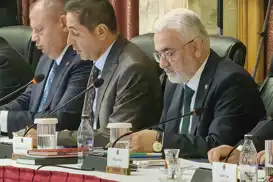
Rohingya genocide verdict renews calls to hold Israel accountable for Gaza
 13 oC

Güneşli

A landmark ruling by the International Court of Justice (ICJ) finding Myanmar responsible for genocide against its Rohingya Muslim minority has intensified scrutiny of Israel's genocidal war on Gaza, potentially strengthening the legal arguments in South Africa's case against the Israeli occupation regime.
Although the ruling does not predetermine the outcome of the proceedings against Israel, legal experts say its interpretation of the 1948 UN Genocide Convention could carry significant implications, particularly regarding the threshold for establishing genocidal intent and the destruction of a protected population.
The judgment, delivered Thursday in a case brought by The Gambia in November 2019, represents a major development in international efforts to hold perpetrators of genocide accountable and reinforces the principle that the destruction of part of a protected group can constitute genocide.
Palestinian-Canadian lawyer and former Palestinian Authority spokesperson Diana Buttu described the ruling as particularly significant, saying it undermined arguments frequently used to dismiss allegations of genocide against Israel.
"This is the first time we've had the ICJ find genocide, and that is really important," Buttu told The New Arab.
She emphasized that genocide does not require the complete physical extermination of an entire population, explaining that the convention also protects groups against attempts to destroy them in part.
"The first is, they found that it doesn't need to be that the entire population is wiped out," she said.
The ICJ found that Myanmar's security forces committed genocide against the Rohingya Muslim minority in northern Rakhine State, concluding that the only reasonable inference from the evidence was that Myanmar intended to destroy the group.
The court considered evidence of killings, widespread sexual violence, extreme violence against children and the systematic destruction of Rohingya villages.
Myanmar judgment raises pressure on Israel over Gaza genocide allegations
Genocide is among the most serious international crimes and requires courts to establish both prohibited acts and the specific intent to destroy a national, ethnic, racial or religious group, in whole or in part.
Before the mass displacement of 2017, an estimated 1.2 million to 1.4 million Rohingya lived in Myanmar, representing a small proportion of the country's population.
Buttu said the judgment demonstrated that the destruction of part of a protected population could meet the legal threshold for genocide, an interpretation with particular relevance to the devastation inflicted on Palestinians in Gaza.
She argued that the evidence of genocidal intent in Israel's military campaign was especially compelling, pointing to repeated statements by Israeli officials and the actions of Israeli occupation forces.
"On the issue of intent, the Israeli case is far clearer than it was in the case of Myanmar," she said, citing statements by Israeli officials alongside the conduct of soldiers during the assault on Gaza.
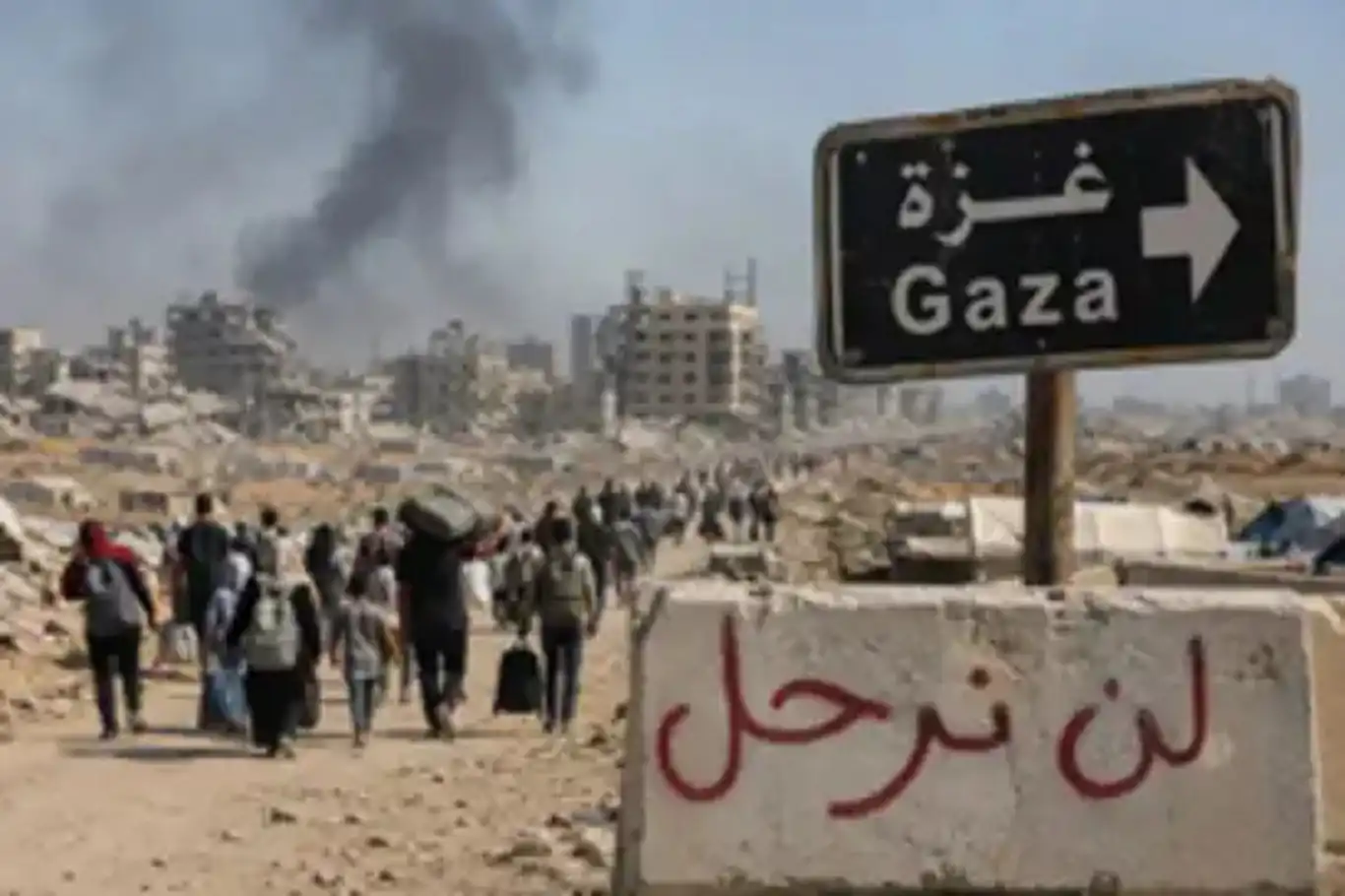
Since October 7, 2023, Israel's military campaign has killed more than 74,000 Palestinians and displaced nearly the entire population of the besieged territory, estimated at approximately 2.2 million people. The destruction of homes, hospitals and civilian infrastructure, alongside restrictions on humanitarian assistance, has left Palestinians facing a devastating humanitarian catastrophe.
South Africa instituted proceedings against Israel at the ICJ in December 2023, accusing the occupation regime of violating the Genocide Convention through its military campaign against the Palestinian people in Gaza.
Israel has rejected the accusations, claiming that its military operations target Hamas rather than Palestinians as a national group. However, the ICJ proceedings have placed Israel's conduct under unprecedented international legal scrutiny.
Israel's defiance of ICJ orders raises further questions
Buttu also highlighted the importance of the provisional measures issued by the ICJ in South Africa's case, arguing that Israel's failure to comply with the court's orders should be considered when assessing its intentions.
The court has issued several sets of provisional measures requiring Israel to take steps to prevent acts prohibited under the Genocide Convention, facilitate humanitarian assistance and protect Palestinians in Gaza from the risk of irreparable harm.
While these interim orders do not constitute a final ruling that genocide has occurred, they underscore the seriousness of the risks identified by the court and the urgent need to protect the Palestinian population.
"The mere fact that they've ignored those rulings also ends up lending itself to a greater case for stating that there is genocide," Buttu said.
She argued that Israel's failure to implement the measures raised further questions about its willingness to prevent acts prohibited under the convention.
Israel's compliance with the orders, together with the evidence of genocidal intent, will ultimately be assessed by the judges when they deliver their final judgment.
The Myanmar ruling is not automatically binding precedent in the separate case against Israel, as the two proceedings concern different circumstances and evidence. Nevertheless, its interpretation of the Genocide Convention could provide important legal guidance for the court's examination of South Africa's allegations.
International community faces renewed scrutiny over Gaza
Buttu said the judgment should also serve as a warning to governments that have continued to delay meaningful action to protect Palestinians while waiting for a final ruling in South Africa's case.
She stressed that states have obligations under the Genocide Convention to prevent and punish genocide and should not use the lengthy judicial process as an excuse for political inaction.
"This is not only an indictment against Israel, but is very much an indictment against all these other countries that have been waiting for some sort of judicial determination," she said.
The ruling against Myanmar has consequently renewed questions about the responsibility of governments that continue to maintain political, military and diplomatic relations with Israel despite the mounting allegations and the ICJ's provisional measures.
As Palestinians continue to endure the consequences of Israel's devastating military campaign, blockade and destruction of civilian infrastructure, the international community faces growing pressure to translate its legal obligations into concrete action.
A final judgment in South Africa's genocide case against Israel is not expected before 2029 or 2030, following the ICJ's extended schedule for written submissions and proceedings. Until then, the court's provisional measures remain central to the legal efforts to protect Palestinians and establish accountability for alleged violations of the Genocide Convention. (ILKHA)
LEGAL WARNING: All rights of the published news, photos and videos are reserved by İlke Haber Ajansı Basın Yayın San. Trade A.Ş. Under no circumstances can all or part of the news, photos and videos be used without a written contract or subscription.
The US Department of State has urged American citizens across the Middle East to exercise heightened vigilance, citing potential retaliatory attacks by Iran and Yemen's Ansar Allah movement amid escalating regional tensions.
Türkiye has welcomed the International Court of Justice's (ICJ) landmark ruling finding Myanmar responsible for genocide against Rohingya Muslims in northern Rakhine State in 2017, calling on the country to comply fully with the judgment and guarantee the minority's fundamental rights.
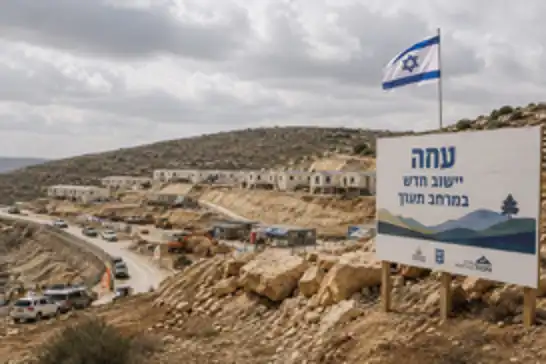
Foreign ministers from 16 Muslim and Arab countries have welcomed sanctions imposed by the United Kingdom and Australia in response to Israel's illegal settlement activities in the occupied Palestinian territories, urging other countries to follow suit and take concrete measures to hold those responsible accountable.