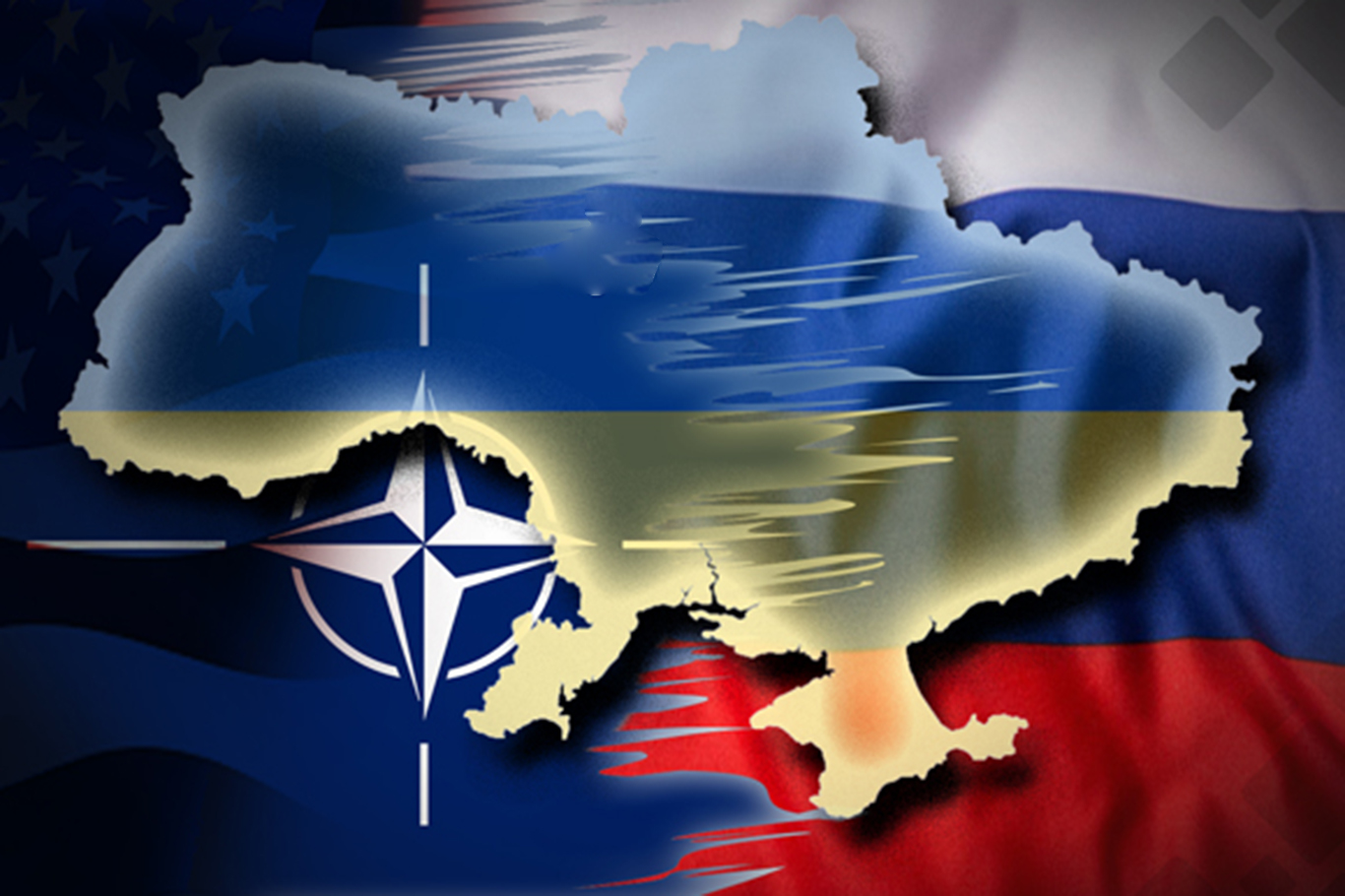
Russia accuses NATO of preparing for possible military conflict
 13 oC

Güneşli

Russian Foreign Ministry spokesperson Maria Zakharova has accused NATO of fundamentally changing its military strategy and preparing for a possible armed confrontation with Russia within the next three to five years, warning that the alliance's evolving military doctrine could further escalate tensions.
Speaking at a news conference in Moscow on Friday, Zakharova said NATO's strategic approach had moved beyond defending member states' borders and increasingly involved plans to strike targets beyond the alliance's traditional area of responsibility.
She argued that despite NATO Secretary General Mark Rutte's statements that Russia posed no immediate threat to the alliance, increasingly hostile and dangerous military plans were emerging within NATO.
Zakharova also criticized what she described as a so-called "victory theory" presented in October by NATO's top military commander in Europe, Alexus Grynkewich.
Mocking the strategy as "complete Atlantic madness," she said it envisaged striking targets deep inside Russian territory, including non-military facilities, thousands of kilometers from NATO's borders.
She added that the strategy encouraged defense companies to develop new long-range weapons capable of carrying out such attacks.
Zakharova stressed that Moscow had no intention of attacking NATO member states and wanted to maintain peaceful relations with its neighbors. However, she warned that any discussion of a potential military confrontation with Russia must take into account the nuclear dimension of such a conflict.
Moscow rejects NATO's accusations and questions Ukraine negotiations
Zakharova's remarks came a day after Russian President Vladimir Putin reiterated that Moscow wanted to bring the war in Ukraine to an end but ruled out negotiations with Kyiv following Ukraine's attacks on the Crimean Bridge.
Putin also reaffirmed Russia's position that it had the right to take measures to safeguard its national security.
Commenting on possible negotiations involving European representatives, Zakharova said EU foreign policy chief Kaja Kallas was unsuitable to participate in any peace process, arguing that her involvement would undermine and ultimately derail negotiations.
She pointed to Kallas's previous statements about Russia, which Moscow considers hostile, as evidence of her unsuitability.
Kallas said in November that Russia had no right to determine who represented the European Union, stressing that she spoke on behalf of its 27 member states rather than in a personal capacity.
Putin, meanwhile, said Moscow had proposed receiving European envoys to hear their positions before deciding how future discussions could be organized, indicating that Russia was prepared to listen to European representatives.
Zakharova also announced that Russia would take political and diplomatic measures in response to Estonia's decision to close its road border crossings with Russia from December 1 for at least six months.
Poland accuses Russia of airspace violations
Meanwhile, tensions between Russia and NATO escalated further after Poland accused Moscow of sending three objects into its airspace overnight.
Polish Defense Minister Władysław Kosiniak-Kamysz said the objects included two missiles and a jet-powered drone. One of them was identified as a Russian Kh-101 cruise missile that fell near the village of Nowy Lipowiec in the Lublin province.
Kosiniak-Kamysz described the incident as a Russian provocation, adding that no casualties were reported and no critical infrastructure was damaged.
Polish Prime Minister Donald Tusk also said the objects were Russian and that the incident was very likely deliberate.
In response, Poland scrambled fighter jets and activated its Patriot air defense systems.
Warsaw said it would seek additional NATO support for its eastern flank, including early-warning aircraft, and planned to call an emergency meeting of alliance members.
The Russian Embassy in Poland did not immediately comment on the accusations.
Ukraine reports massive Russian overnight attacks
Separately, Ukrainian President Volodymyr Zelenskyy said Russia had launched more than 400 drones and over 110 missiles against Ukraine overnight.
The latest developments come amid growing military tensions between Russia and NATO, with Moscow warning against what it describes as the alliance's increasingly aggressive military posture and Western governments expressing concerns over Russia's military actions in the region. (ILKHA)
LEGAL WARNING: All rights of the published news, photos and videos are reserved by İlke Haber Ajansı Basın Yayın San. Trade A.Ş. Under no circumstances can all or part of the news, photos and videos be used without a written contract or subscription.
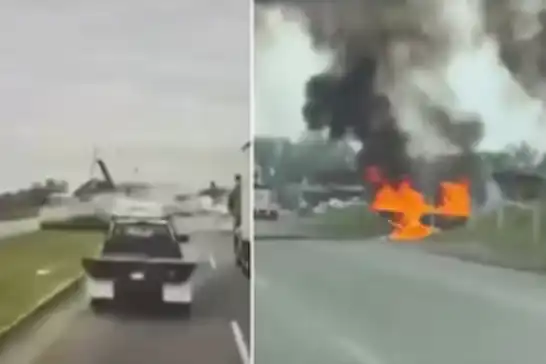
A small aircraft crashed near a highway in Nuevo León state, Mexico, shortly after takeoff, narrowly avoiding a major disaster as it came close to hitting vehicles travelling on the road.
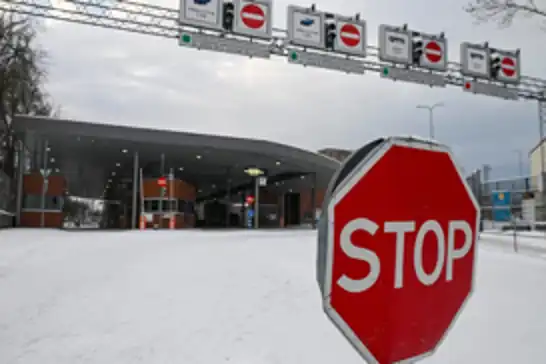
The Estonian government has announced that it will close all land border crossings with Russia for at least six months beginning 1 December, citing growing security concerns and what it describes as an increase in Russia's hostile activities against the country and Europe.
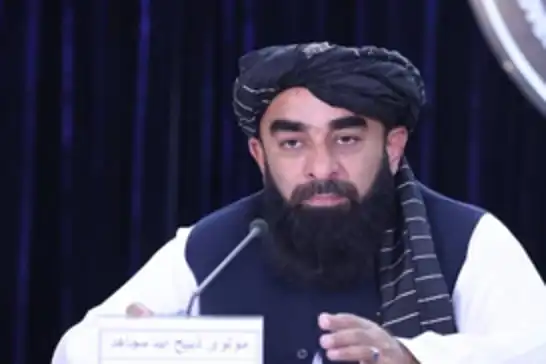
The Islamic Emirate of Afghanistan has dismissed concerns expressed by Russia and the United States over the alleged presence and activities of ISIS in Afghanistan, describing the allegations as unfounded and based on inaccurate information.