Serbia’s president Aleksandar Vučić resigns to run for prime minister
 13 oC
13 oC 
Güneşli

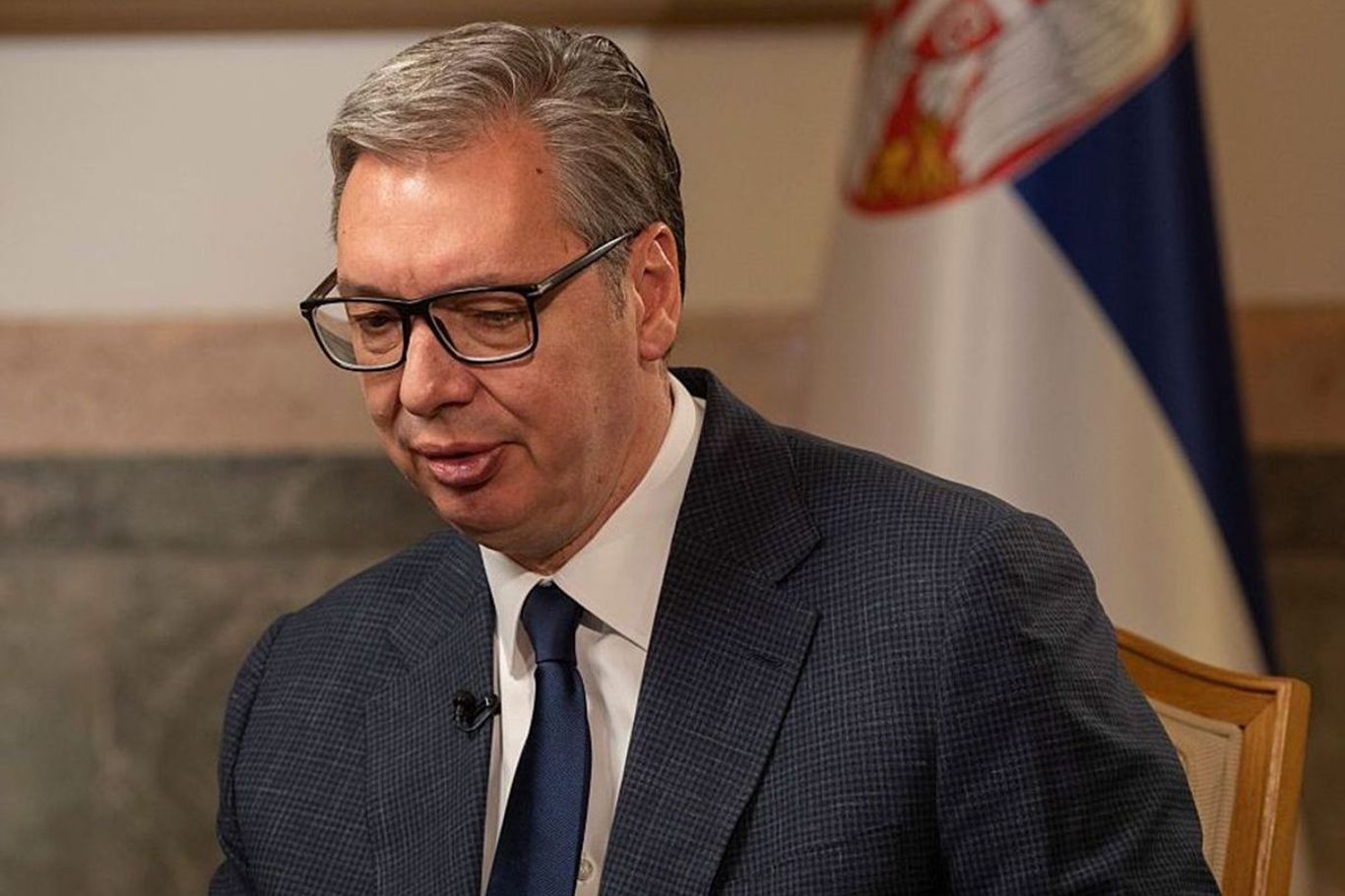
Serbian President Aleksandar Vučić resigned Sunday, stepping down seven months before the scheduled end of his second and final presidential term as he prepares to contest the country’s Oct. 25 snap parliamentary elections and seek the post of prime minister.
Vučić, who is constitutionally barred from serving a third presidential term, said he was leaving the presidency to lead his Serbian Progressive Party (SNS) into the parliamentary election. If the SNS and its allies form the next government, he could return to the premiership, a position he previously held from 2014 to 2017.
“This is the last evening for me in this building,” Vučić told supporters gathered outside the presidential palace in Belgrade shortly before announcing his resignation. He said he had served Serbia faithfully and expressed pride in what he described as the achievements of his years in office.
Parliamentary elections are scheduled for Oct. 25 after Vučić dissolved the National Assembly earlier this month. The election was called more than a year ahead of the previously scheduled parliamentary vote and comes after nearly two years of student-led demonstrations and political tensions across the country.
The election will be closely watched as a student-led movement that emerged from protests following the deadly collapse of a railway station canopy in Novi Sad in November 2024 enters the electoral contest.
The collapse killed 16 people and triggered demonstrations demanding accountability, greater institutional transparency and action against corruption. The protests expanded into one of the most sustained challenges to Vučić's government in recent years.
The movement formally entered the electoral race on Sept. 14, submitting a candidate list made up largely of academics and professionals. It is running under the name “Students Win” and has received support from parts of the established opposition.
The student movement has accused the government of failing to ensure accountability over the Novi Sad disaster and has demanded broader political and institutional reforms. The government and Vučić have rejected accusations of wrongdoing and have disputed allegations concerning corruption and other abuses.
Vučić's resignation means Serbia will also hold an early presidential election. Under the country's constitutional framework, parliamentary Speaker Ana Brnabić will serve as acting president until a new head of state is elected. The presidential election must be completed within 90 days of Vučić's resignation. Vučić has said the first round is expected by the end of December.
The Oct. 25 parliamentary contest will therefore determine not only the composition of Serbia's next government but also the political position Vučić may occupy after leaving the presidency.
The election campaign is taking place amid continued political polarization. Vučić and his SNS allies face the student-backed electoral list, the European Serbia alliance and other opposition groups.
Independent election-monitoring group CRTA has also reported alleged violations during the early stages of the campaign, including claims concerning the collection and verification of signatures for electoral lists. The organization said its observers were monitoring the campaign and electoral process.
With Vučić now outside the presidency but seeking a return to executive power as prime minister, the Oct. 25 election represents a significant political test for Serbia's governing party and the student-led movement that has challenged it since the Novi Sad tragedy. (ILKHA)
LEGAL WARNING: All rights of the published news, photos and videos are reserved by İlke Haber Ajansı Basın Yayın San. Trade A.Ş. Under no circumstances can all or part of the news, photos and videos be used without a written contract or subscription.
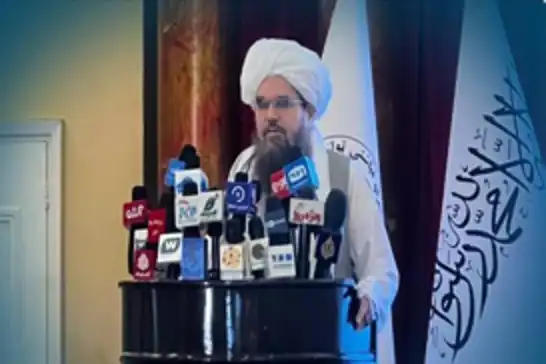
The Afghan Red Crescent Society (ARCS) distributed 1.8 billion Afghanis in cash assistance last year to needy people, widows and families affected by war, its president, Sheikh Shahabuddin Delawar, has announced.
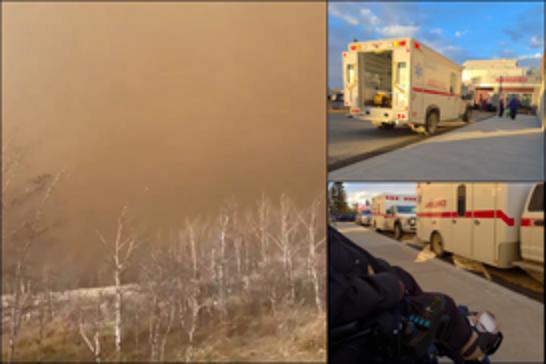
A major fire at a Canadian military training base in Alberta has left several people dead and others injured, prompting an emergency response involving military personnel, police and local firefighters, Canada's defence minister said.
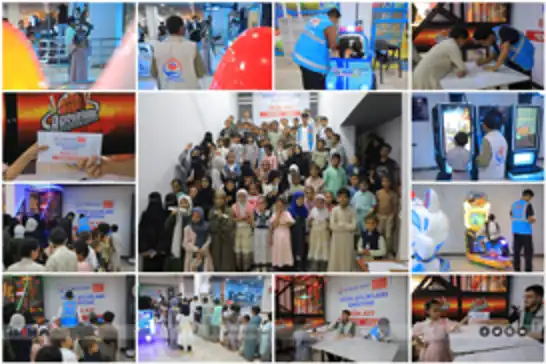
The Orphans Foundation (Yetimler Vakfı) has delivered its October cash assistance to orphaned children in Yemen and organized recreational activities to bring joy to the children it supports.
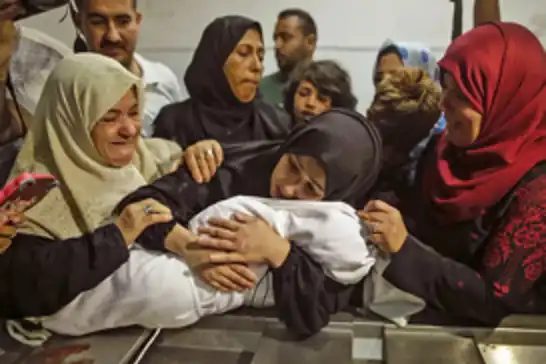
A six-year-old Palestinian girl was martyred and several other Palestinians were wounded in fresh Israeli attacks across the Gaza Strip on Sunday, as Israeli forces continued targeting areas sheltering displaced families and carried out attacks in coastal and central parts of the besieged enclave.