Severe weather strikes Gaza as displaced Palestinians struggle to survive
 13 oC
13 oC 
Güneşli

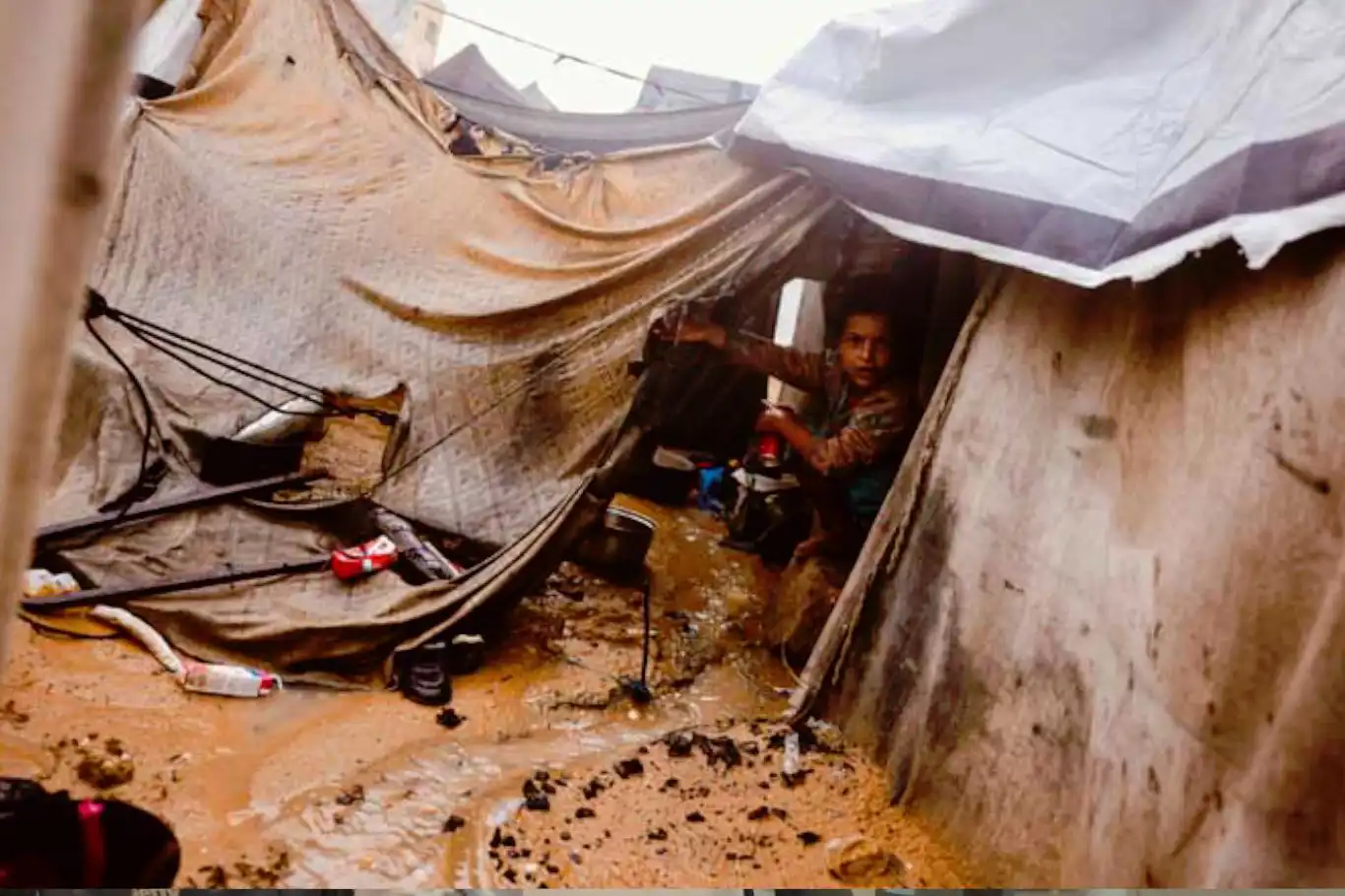
Strong winds and heavy rain battered makeshift shelters housing displaced Palestinian families across the Gaza Strip on Saturday evening, destroying and scattering tents as another polar low-pressure system swept through the besieged enclave, further compounding an already dire humanitarian crisis.
The storm has intensified the suffering of tens of thousands of families whose homes were destroyed by Israeli forces during the two-year genocidal war, leaving them with little more than fragile tents for shelter. Floodwaters inundated makeshift shelters in low-lying areas, while powerful gusts of wind tore through encampments, ripping tents from the ground and forcing families—including young children—into the open amid freezing temperatures.
Emergency responders said many displaced Palestinians were left completely exposed to the elements, with no safe alternative shelter available.
Gaza’s civil defense service described the situation as catastrophic, reporting an overwhelming surge in emergency calls from displaced families affected by the storm.
“Gaza is facing extremely harsh humanitarian conditions,” the civil defense said in a statement. “We are receiving nonstop distress calls from displaced people whose tents could not withstand the fierce winds. Worn-out shelters were torn apart and uprooted, leaving families exposed in the open.”
The service added that many families were unable to properly secure their tents due to gale-force winds and relentless rainfall, highlighting the inadequacy of current shelter conditions.
According to a previous civil defense statement, at least 17 Palestinians, including four children, have died since December as successive weather systems struck the Gaza Strip. The same statement said that around 90 percent of shelters used by displaced people have been flooded, rendering them uninhabitable.
Local authorities renewed urgent appeals to the international community to pressure the Israeli occupation regime to immediately open Gaza’s border crossings to allow the entry of desperately needed humanitarian aid, including tents, shelter materials, fuel, and winter supplies.
Aid agencies have repeatedly warned that Israel’s continued restrictions on the entry of relief materials have left Gaza’s displaced population dangerously vulnerable, particularly during winter storms.
As severe weather continues and basic supplies remain blocked, humanitarian groups warn that the situation in Gaza is rapidly deteriorating, with children, the elderly, and the sick facing life-threatening conditions amid ongoing displacement and deprivation. (ILKHA)
LEGAL WARNING: All rights of the published news, photos and videos are reserved by İlke Haber Ajansı Basın Yayın San. Trade A.Ş. Under no circumstances can all or part of the news, photos and videos be used without a written contract or subscription.

One year after his abduction by Israeli occupation forces, Palestinian pediatrician and hospital director Dr. Hussam Abu Safiya remains imprisoned without charge or trial, in what human rights advocates describe as a flagrant violation of international law and a stark example of Israel’s systematic targeting of Gaza’s healthcare sector.
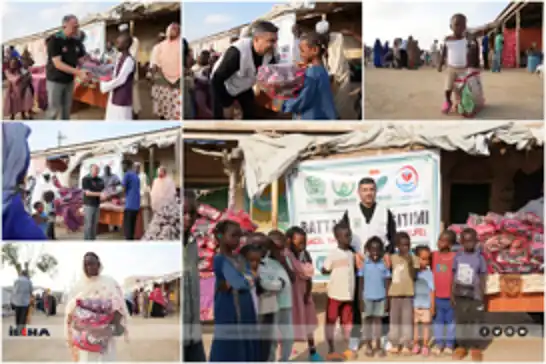
Civil society organizations continue to deliver humanitarian assistance across Sudan as the country grapples with an internal war and humanitarian crisis that has persisted for more than two years, leaving millions displaced and in urgent need of aid.

Kosovo went to the polls again on Sunday for snap parliamentary elections, the second time in less than a year, as political leaders seek to end a prolonged stalemate that has left the country without a functioning government and jeopardized vital international funding.