Somalia faces mounting hunger crisis as millions edge toward famine

 13 oC
13 oC 
Güneşli

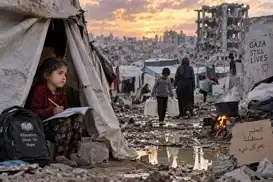
A worsening humanitarian catastrophe is unfolding in Somalia as nearly six million people face acute hunger driven by prolonged drought, conflict, economic instability, and severe aid shortages, according to humanitarian agencies and aid officials.
The crisis, described by relief organizations as one of the gravest emergencies in recent years, has sparked growing fears that parts of the country could slide toward famine if urgent international assistance is not mobilized.
Speaking after a recent visit to Somalia, Matthew Hollingworth warned that the country is approaching a dangerous tipping point.
“Somalia has now endured multiple failed rainy seasons — three consecutively — which has devastated crops, wiped out livestock, eroded livelihoods, and is impacting millions of people,” Hollingworth said.
Millions Facing Severe Food Insecurity
According to recent humanitarian assessments, approximately 6.5 million Somalis are currently experiencing crisis-level food insecurity or worse, classified as IPC Phase 3 and above. More than two million people are believed to be living in Emergency (IPC Phase 4) conditions, placing them just one stage away from famine.
Children remain among the most vulnerable. Aid agencies estimate that between 1.8 and 1.9 million children under the age of five are at risk of acute malnutrition, including hundreds of thousands suffering from severe wasting that could become life-threatening without treatment.
Humanitarian officials warn that the current conditions bear alarming similarities to the lead-up to the devastating 2011 famine and the near-famine emergency experienced in 2022.
Failed Rains Devastate Livelihoods
The humanitarian crisis has been fueled primarily by repeated climate shocks, including four consecutive failed rainy seasons. The collapse of the 2025 Deyr rains — typically occurring between October and December — dealt a particularly severe blow to agricultural production and livestock survival.
Large parts of the country have witnessed widespread crop failures, shrinking water supplies, and the death of livestock, devastating pastoralist communities that rely heavily on animals for survival and income. Regions such as Puntland have been among the hardest hit.
Communities across rural Somalia report dried-up wells, empty grazing lands, and families being forced to skip meals or migrate in search of food and water.
Conflict and Economic Pressures Intensify Suffering
The crisis has been further aggravated by insecurity and armed conflict, which continue to displace hundreds of thousands of people and disrupt access to livelihoods and humanitarian aid.
At the same time, global economic instability has sharply increased living costs in Somalia. Disruptions linked to tensions around the Strait of Hormuz have reportedly caused fuel prices in the country to surge dramatically, with some areas seeing prices rise from around $0.60 to $1.50 per litre.
As Somalia imports more than 90 percent of its essential commodities, rising fuel costs have triggered sharp increases in food prices, transportation expenses, and the cost of humanitarian operations.
Aid Agencies Warn of Funding Collapse
Humanitarian organizations say the situation is being worsened by a severe lack of international funding.
The 2026 Humanitarian Needs and Response Plan for Somalia remains critically underfunded, with only a fraction of required resources secured so far. The funding gap has already forced agencies, including the World Food Programme, to scale back food assistance programs.
Emergency food aid that previously reached more than two million people has been significantly reduced, and aid officials warn that some operations could halt entirely by mid-2026 if additional funding is not secured.
Relief agencies are currently prioritizing emergency food distributions, nutrition programs for children, clean water access, and livelihood protection measures. However, humanitarian experts stress that existing efforts remain far below what is needed to prevent further deterioration.
Growing Displacement and Health Risks
The worsening drought and food shortages are also driving large-scale displacement toward urban centers such as Mogadishu, Baidoa, and Kismayo, placing immense strain on already fragile services and overcrowded displacement camps.
Health officials have also raised concerns over rising outbreaks of cholera, measles, and other preventable diseases as malnutrition weakens immune systems and access to healthcare remains limited.
Somali authorities and United Nations agencies have jointly appealed for urgent international action, warning that the window to prevent a full-scale catastrophe is rapidly closing.
Aid officials say that without immediate financial support and expanded humanitarian access, millions of Somalis could face irreversible losses to their lives and livelihoods in one of the world’s longest-running humanitarian crises. (ILKHA)
LEGAL WARNING: All rights of the published news, photos and videos are reserved by İlke Haber Ajansı Basın Yayın San. Trade A.Ş. Under no circumstances can all or part of the news, photos and videos be used without a written contract or subscription.

US Secretary of State Marco Rubio has said Washington cannot deliver F-35 fighter jets to Türkiye until the dispute over Ankara’s acquisition of Russian-made S-400 air defense systems is resolved, despite President Donald Trump’s desire to allow Türkiye to receive the aircraft.

Russian President Vladimir Putin has described the ongoing situation in the Middle East as the region’s most pressing challenge, saying Moscow recognizes Iran’s efforts to bring the conflict to an end.

Iran's Atomic Energy Organization chief Mohammad Eslami said Tehran will not abandon its right to uranium enrichment, describing the country's nuclear industry as a driving force for scientific and technological advancement.
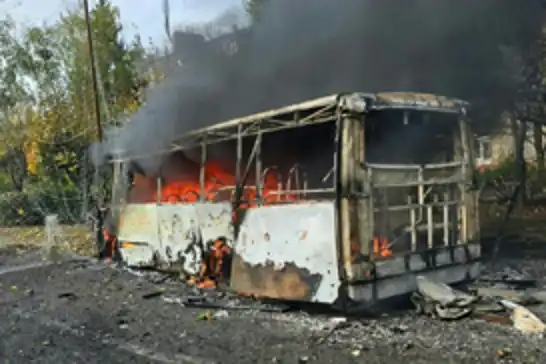
A Russian guided bomb strike on two passenger buses in the eastern Ukrainian city of Kramatorsk killed at least 33 people and injured 18 others on Thursday, Ukrainian authorities said.