Somalia rejects Israeli recognition of Somaliland, calls it null and void
 13 oC
13 oC 
Güneşli

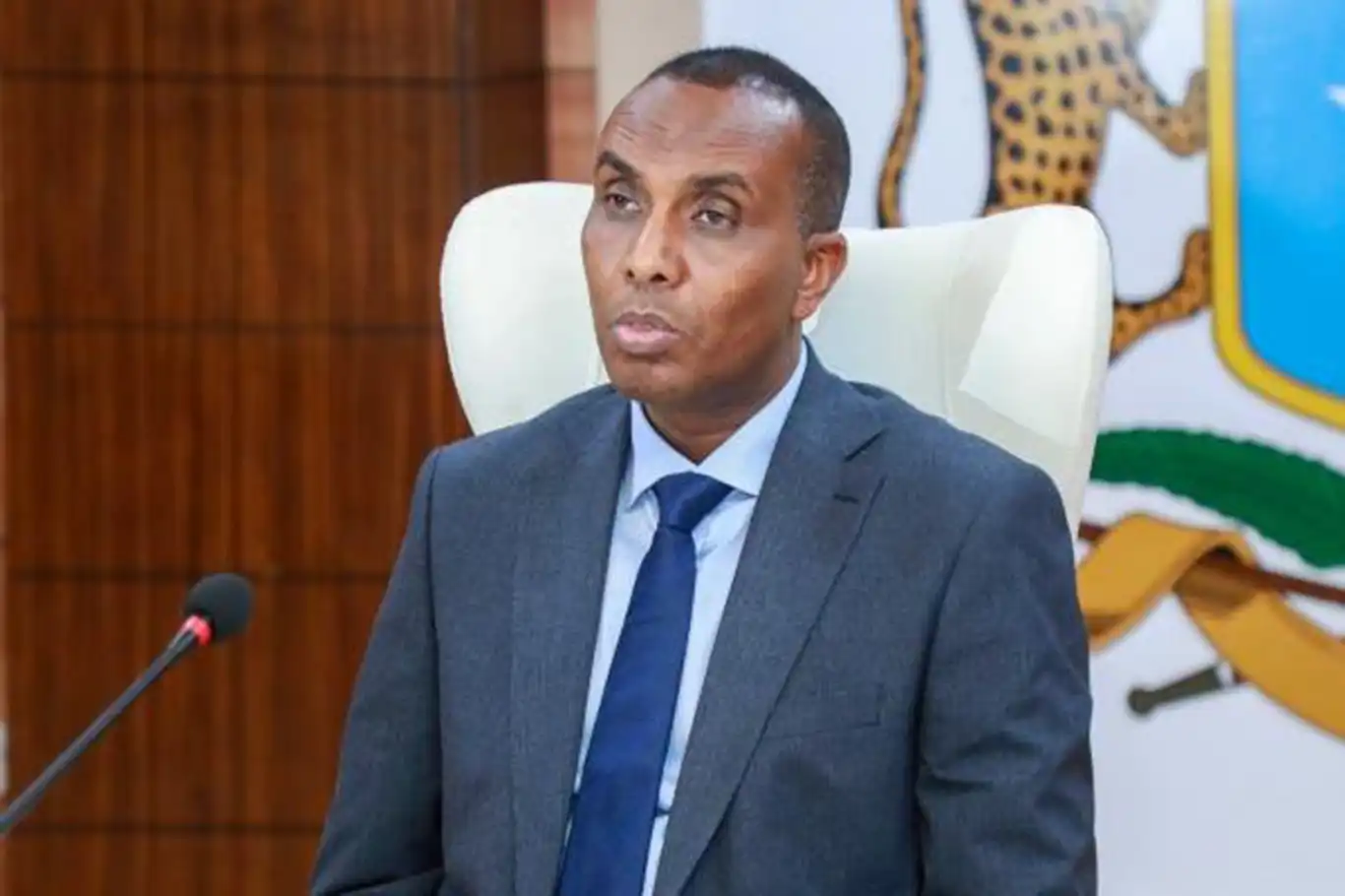
Somalia has strongly reaffirmed its absolute and non-negotiable commitment to its national sovereignty, unity, and territorial integrity, condemning Israel’s decision to recognize the northern Somaliland region as an independent entity as a blatant violation of international law.
In an official statement issued on Friday, the Somali government stressed that its position is firmly grounded in the country’s provisional constitution, the United Nations Charter, and the founding principles of the African Union. Mogadishu described Israel’s move as an illegal and deliberate assault on Somalia’s sovereignty.
The statement emphasized that Somaliland remains an inseparable part of Somalia’s internationally recognized territory and cannot be detached through unilateral foreign decisions. Any declaration, recognition, or agreement suggesting otherwise, the government said, is null and void under international law.
Somali authorities underscored that matters related to national unity, governance, and constitutional arrangements are strictly internal issues to be resolved peacefully and legally by the Somali people alone, without external interference.
Firm support for Palestine
In the same statement, Somalia reiterated its unwavering support for the legitimate rights of the Palestinian people, particularly their right to self-determination. Mogadishu firmly rejected occupation, forced displacement, demographic engineering, and settlement expansion, stressing that the Palestinian people must not be rendered stateless under any circumstances.
Somalia also rejected any foreign military presence or security arrangements that could drag the country into regional or international conflicts, warning that such actions threaten peace and stability across the Horn of Africa, the Red Sea, the Gulf of Aden, and the wider Middle East.
The government cautioned that these destabilizing moves undermine counterterrorism efforts against groups such as Al-Shabaab and ISIS by creating volatile conditions that armed groups can exploit. Somalia pledged to take all necessary diplomatic, political, and legal measures to defend its sovereignty and internationally recognized borders, while calling on its citizens to remain united and vigilant.
Arab League denounces move
The Arab League echoed Somalia’s condemnation. Secretary-General Ahmed Aboul Gheit described Israel’s recognition of Somaliland as a flagrant violation of international law and an assault on Somali sovereignty, warning that the move threatens regional stability.
Arab League spokesperson Gamal Roshdy emphasized that the organization, at both summit and ministerial levels, considers Somaliland an integral part of Somalia. He warned that any unilateral recognition constitutes unacceptable interference in Somalia’s internal affairs and sets a dangerous precedent.
Israel announces recognition
Despite regional and international objections, the Israeli occupation officially announced its recognition of the so-called Republic of Somaliland as an independent and sovereign state. The move followed the signing of a joint declaration by Prime Minister Benjamin Netanyahu, Foreign Minister Gideon Sa’ar, and Somaliland President Abdirahman Mohamed Abdallah.
In a statement from the Prime Minister’s Office, Israel said the declaration reflects the spirit of the regional normalization agreements known as the Abraham Accords, initiated under former US President Donald Trump. Netanyahu congratulated Abdallah on what he called a “historic step,” praising his leadership and inviting him to pay an official visit to occupied Palestine.
In response, the Somaliland leader thanked Netanyahu for the recognition and expressed appreciation for what he described as efforts to promote “regional peace,” despite Israel’s ongoing genocidal war in Gaza. Netanyahu also thanked Foreign Minister Sa’ar and Mossad chief David Barnea for their roles in advancing the agreement.
Israel said it intends to rapidly expand cooperation with Somaliland in agriculture, health, technology, and economic development as part of broader normalization efforts.
Strategic ambitions in the Horn of Africa
Analysts note that Somaliland already hosts a significant Emirati military presence at the port city of Berbera, developed by the UAE as part of its broader regional strategy spanning the Horn of Africa and the southern Red Sea. The base has played a central role in Abu Dhabi’s efforts to project power across key maritime routes and to support operations linked to Yemen, developments that have indirectly benefited Israeli strategic interests.
US military planners have also long viewed Somaliland as a potential logistics and fallback hub near the Bab al-Mandab Strait, while Israeli security officials have reportedly sought intelligence cooperation in the area to monitor Red Sea shipping lanes and resistance-aligned movements across Yemen and East Africa.
Observers say Israel’s recognition of Somaliland provides political cover for an already entrenched military and intelligence reality, aligning Tel Aviv more closely with Washington and Abu Dhabi in shaping Red Sea security arrangements. The move is widely seen not as an isolated diplomatic act, but as part of a broader strategy to consolidate overlapping US, Israeli, and Emirati interests at a critical geopolitical crossroads linking East Africa, the Red Sea, and the Middle East. (ILKHA)
LEGAL WARNING: All rights of the published news, photos and videos are reserved by İlke Haber Ajansı Basın Yayın San. Trade A.Ş. Under no circumstances can all or part of the news, photos and videos be used without a written contract or subscription.

Türkiye-based Orphans Foundation (Yetimler Vakfı) is building an orphanage complex in Bangladesh to provide children without parental care with a safe living environment and better access to education, the organisation said.
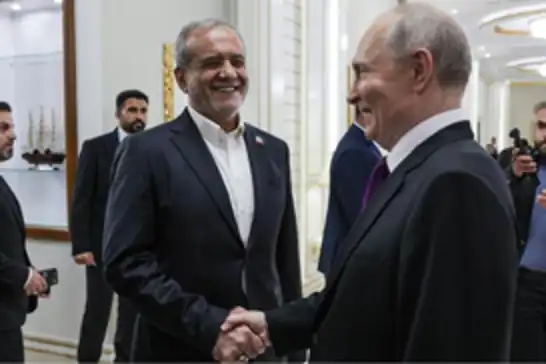
Iranian President Masoud Pezeshkian has reaffirmed Tehran’s commitment to diplomacy while accusing Washington of undermining negotiations through military attacks, telling Russian President Vladimir Putin that Iran would not abandon the negotiating table.
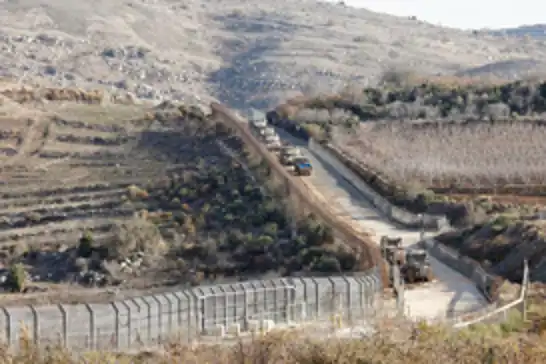
The Israel regime has accelerated military fortification activities in Syria’s Quneitra countryside, including the construction of trenches, earth barriers and military positions, raising concerns over attempts to create a new security line inside Syrian territory.

Mandatory evacuation orders have been issued in parts of the United States as Hurricane Isaias strengthens while moving toward the country’s Gulf Coast.