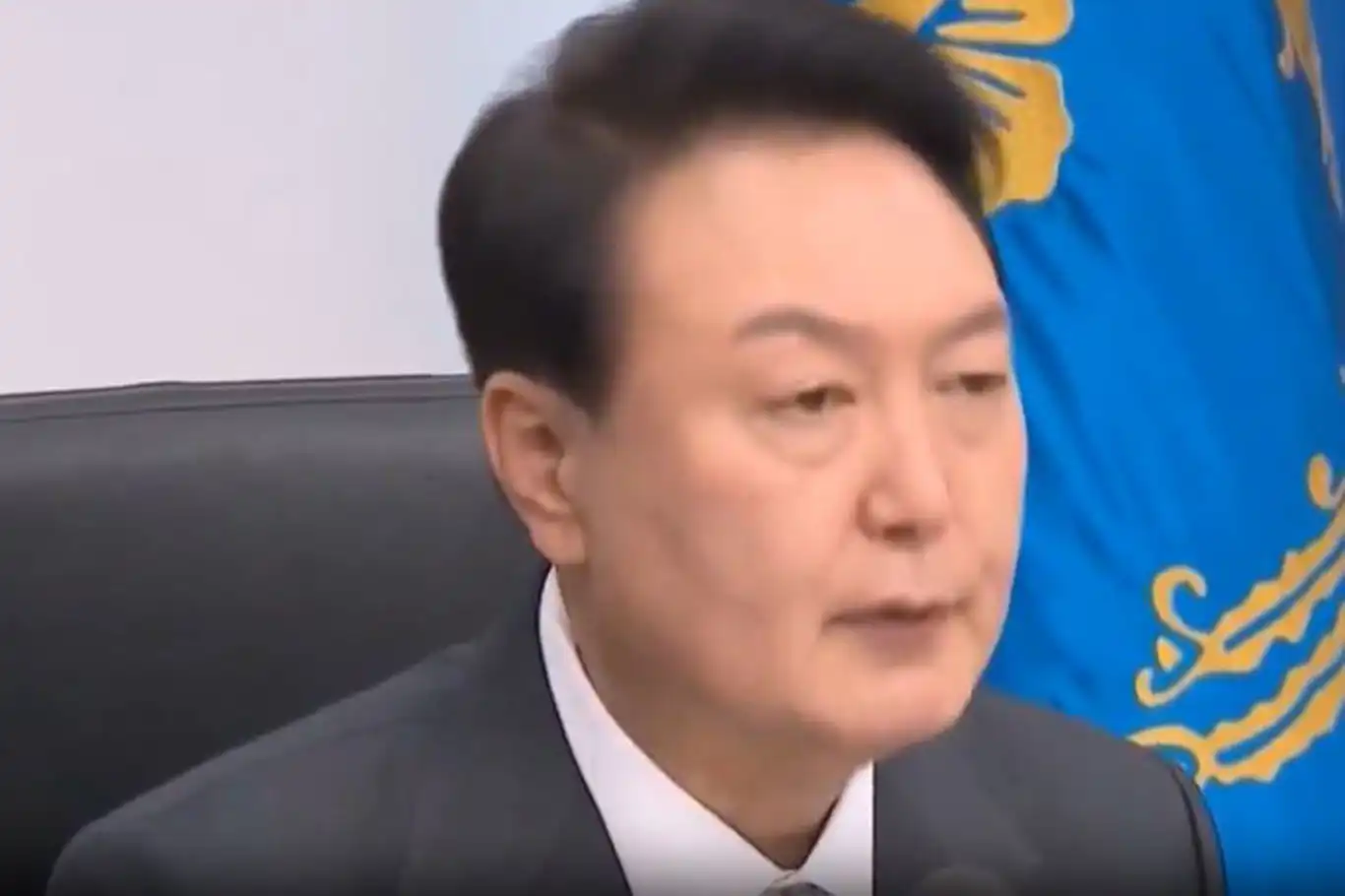
South Korean President Yoon Suk Yeol impeached over martial law attempt
 13 oC
13 oC 
Güneşli

In a historic vote on Saturday, South Korea's National Assembly moved to impeach President Yoon Suk Yeol, following his controversial decision to declare martial law earlier this month.
The impeachment forces Yoon to relinquish power immediately to the prime minister, who will serve as caretaker during the judicial review.
The vote, which passed decisively, marks a significant moment in South Korean politics, echoing the public's strong disapproval of Yoon's actions. The president's attempt to impose martial law, quickly rescinded after backlash, was seen as a move towards authoritarianism by critics, sparking widespread protests.
Outside the National Assembly, a massive crowd gathered, their anticipation palpable. As the impeachment was announced, the atmosphere turned festive with hundreds of thousands of South Koreans celebrating, their voices raised in unity through K-pop-inspired chants demanding Yoon's exit.
The Constitution mandates that the impeachment now goes before the Constitutional Court for a potentially lengthy review process that could take months. During this period, the prime minister will assume the role of acting president, managing state affairs until the court decides on the validity of the impeachment.
The public's reaction has been overwhelmingly supportive of the impeachment, with many citizens expressing relief and joy at the news. This event not only underscores the public's commitment to democratic principles but also highlights the significant role of public opinion in South Korean politics.
As South Korea navigates this period of political transition, all eyes will be on the Constitutional Court. The outcome will either see Yoon reinstated or removed from office, setting a precedent for how such dramatic political maneuvers are dealt with in one of Asia's leading democracies. (ILKHA)
LEGAL WARNING: All rights of the published news, photos and videos are reserved by İlke Haber Ajansı Basın Yayın San. Trade A.Ş. Under no circumstances can all or part of the news, photos and videos be used without a written contract or subscription.

Germany announced a new support package worth more than €1.3 billion ($1.46 billion) for Ukraine on Sunday, including military assistance, interceptor drones and aid for the country’s energy infrastructure.
Bosnia and Herzegovina’s election has left Bosniak political forces at the center of the country’s political landscape, while entrenched ethnic divisions and obstruction from Serb nationalist forces continue to complicate Sarajevo’s efforts to advance toward European Union membership.
Five workers have been killed after a mine collapsed in Afghanistan’s northern Takhar province, local media outlet TOLOnews reported Saturday.
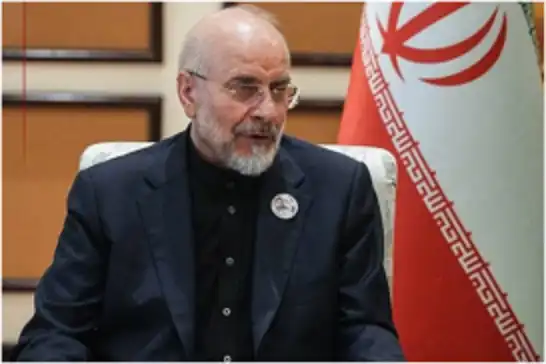
Iranian Parliament Speaker Mohammad Baqer Qalibaf said Sunday that Tehran would continue confronting its adversaries while pursuing both military preparedness and diplomatic efforts, accusing the United States of trying to pressure Iran through contradictory messages and threats.