Tehran accuses NATO of “active complicity” in US-Israeli war on Iran
 13 oC
13 oC 
Güneşli

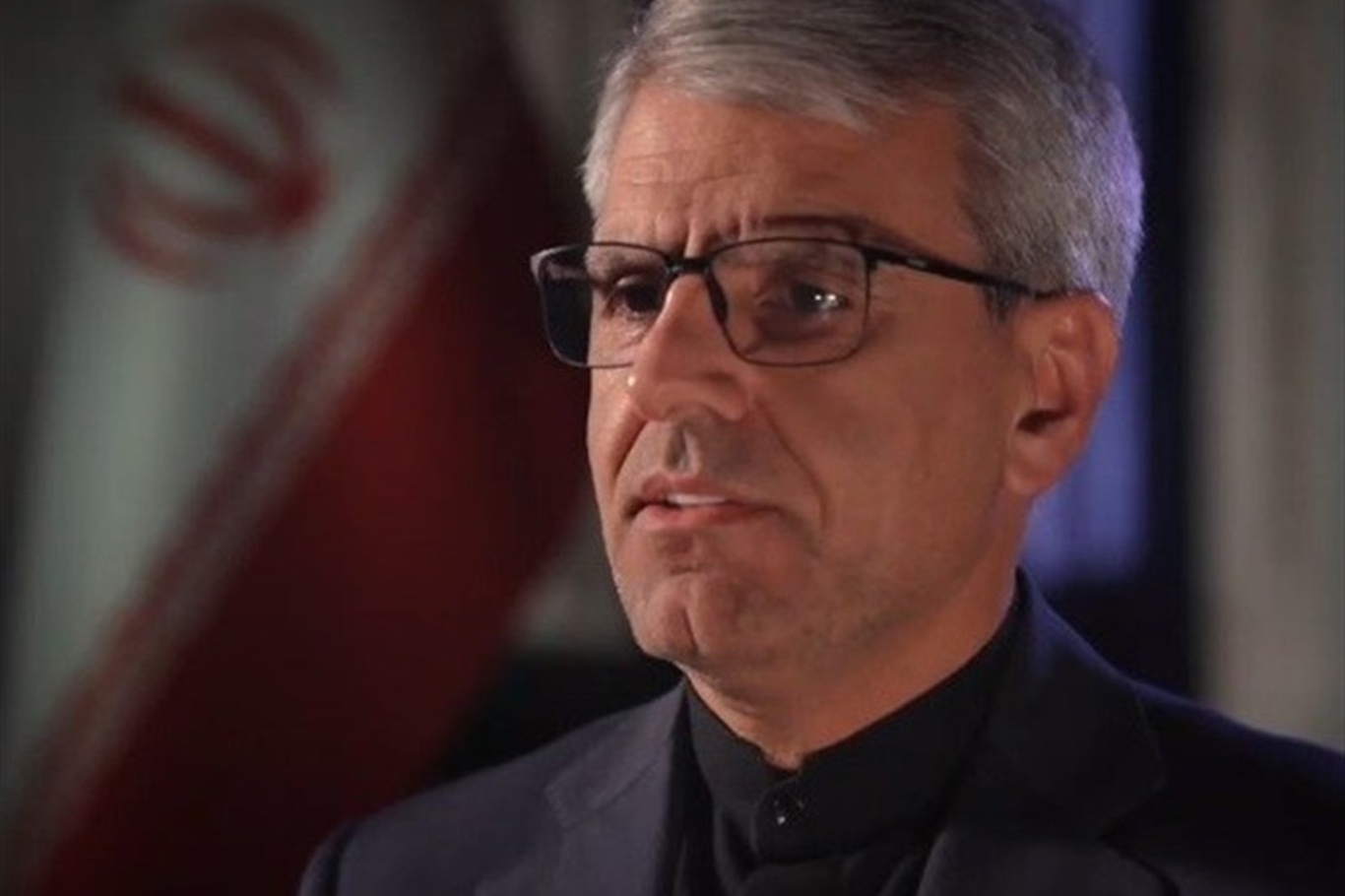
Iran’s Foreign Ministry has accused NATO of being directly involved in the recent US-Israeli war on Iran, escalating diplomatic tensions between Tehran and the Western military alliance ahead of an upcoming NATO summit.
Foreign Ministry spokesperson Esmaeil Baghaei said on Thursday that recent remarks by NATO Secretary-General Mark Rutte amounted to a “clear admission” that NATO member states participated in the conflict. He described the alliance’s alleged role as “active complicity” in what he called an unlawful attack on a sovereign UN member state.
Baghaei’s statement followed an interview in which Rutte told Fox News that US military operations during the war involved extensive use of European infrastructure. He said hundreds of US aircraft operated from bases in countries including Italy, while airports in Romania reportedly adjusted civilian flight schedules to accommodate US refueling operations. Rutte estimated that between 4,000 and 5,000 US aircraft movements took place from European bases during the campaign.
In a post on X, Baghaei argued that Rutte’s comments constituted “damning proof” of NATO’s involvement and called on European governments, particularly Italy and Romania, to explain their role to both domestic and international audiences.
Italy’s Ministry of Defense strongly rejected the interpretation of Rutte’s remarks, insisting that its cooperation with US forces was strictly limited. The ministry said it had only authorized technical and logistical flights and had not permitted the use of Italian bases for combat operations.
Officials in Rome described Rutte’s statements as “completely misleading,” rejecting any suggestion that Italy had participated in military action against Iran.
The controversy has also drawn comments from US President Donald Trump, who said NATO allies had “let down” the United States during the conflict.
Speaking at the White House alongside Rutte, Trump said US forces had not required assistance and claimed that American operations had “demolished” Iran within the first week of fighting. However, he added that visible allied support would have carried political significance.
“It would have been nice if they would have said, ‘We’d like to help,’” Trump said.
Rutte, however, defended NATO’s broader role, reiterating that US operations relied on European logistical support. He also stressed that the United States remained fully committed to NATO and would defend European allies if necessary.
The exchange of accusations comes just weeks before NATO’s 32 member states are scheduled to meet in Ankara on July 7–8 for a high-level summit.
Analysts say the dispute highlights growing friction over NATO’s global military footprint and the extent to which European infrastructure is used in US-led operations outside the alliance’s formal operational theaters.
As diplomatic exchanges intensify, both Iran and NATO members are expected to face mounting pressure to clarify their roles and positions ahead of the upcoming summit. (ILKHA)
LEGAL WARNING: All rights of the published news, photos and videos are reserved by İlke Haber Ajansı Basın Yayın San. Trade A.Ş. Under no circumstances can all or part of the news, photos and videos be used without a written contract or subscription.
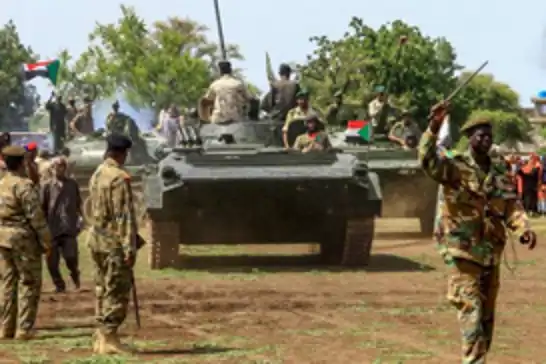
The Sudanese army and its allied forces announced on Saturday that they had recaptured the city of Bara and the strategic areas of Al-Baraka and Um Sayala in North Kordofan State following intense clashes with the paramilitary Rapid Support Forces (RSF).

Firefighters continued battling massive wildfires across southwestern France on Saturday as strong winds, extreme heat, and prolonged drought fueled rapidly advancing flames, forcing the evacuation of around 200,000 people and prompting authorities to warn that the situation remains far from under control.
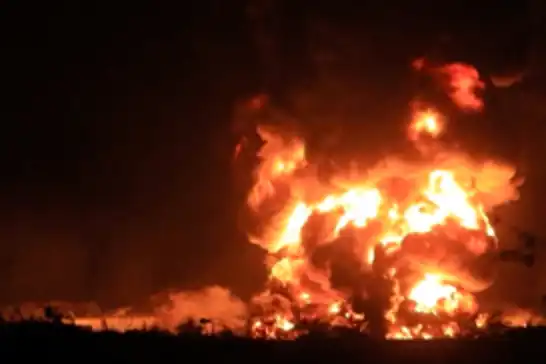
Iran has strongly condemned a Ukrainian attack on an Iranian commercial vessel in the Caspian Sea that left one crew member dead and another injured, warning that it reserves the right to respond in accordance with international law.
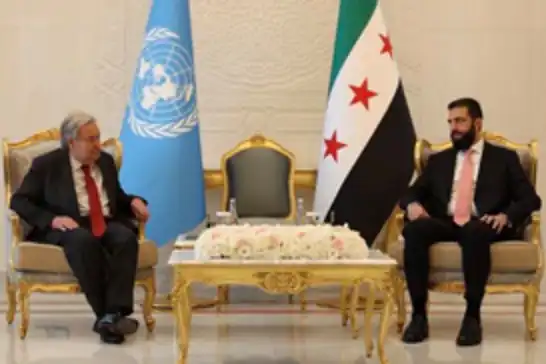
United Nations Secretary-General António Guterres arrived in Damascus on Saturday for a landmark visit to Syria, reaffirming the UN's commitment to supporting the Syrian people and government during a pivotal moment in the country's history.