Tehran vows stronger retaliation after US strikes Iran-linked oil tankers
 13 oC
13 oC 
Güneşli

The United States has launched attacks on three oil tankers allegedly linked to Iran, further escalating tensions between Washington and Tehran as Iran warns that continued US aggression will trigger a stronger response.
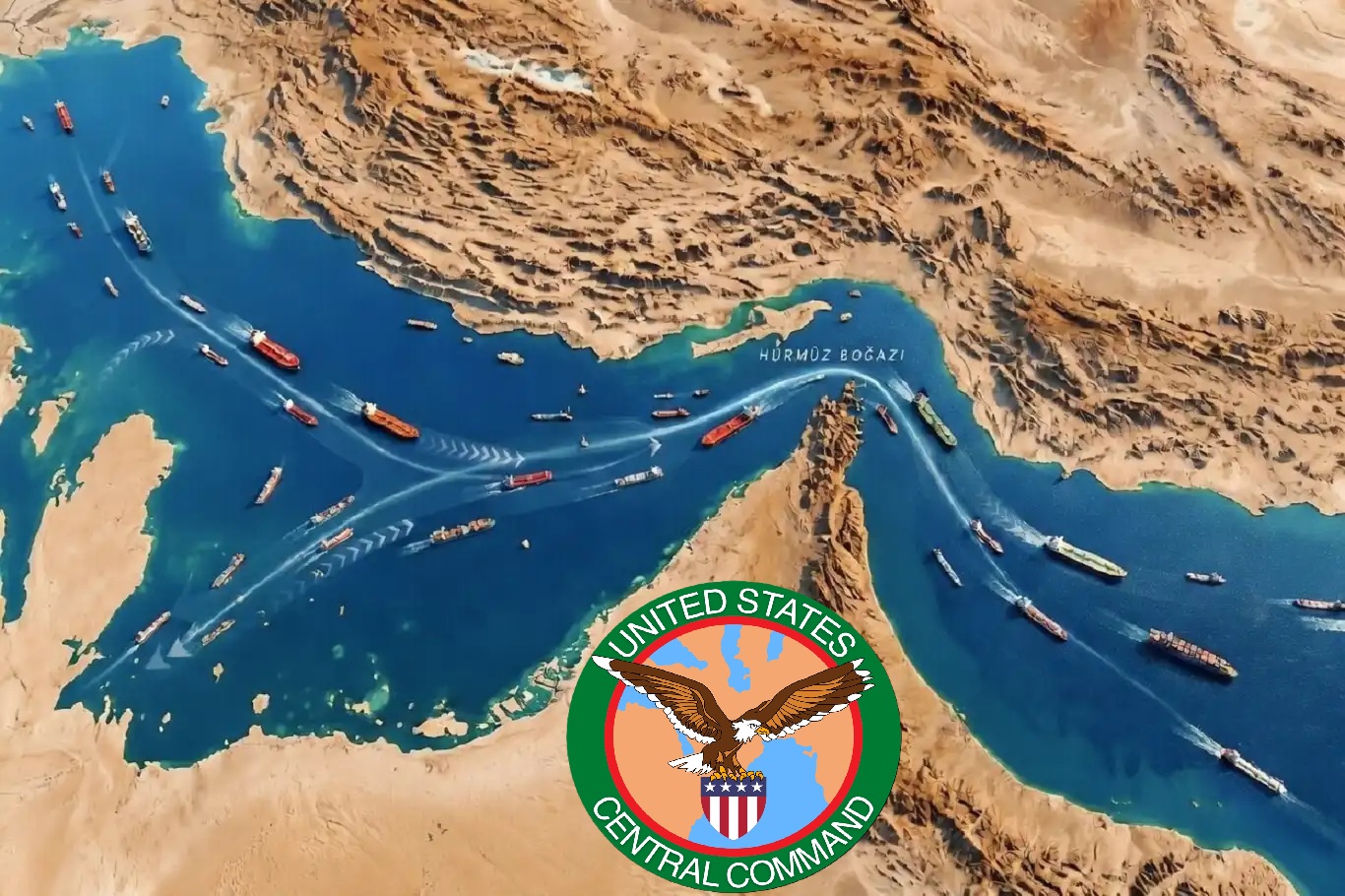
US Central Command (CENTCOM) said on Saturday that its forces had “permanently disabled” two tankers, including one near Iran’s strategic Kharg Island, and “completely destroyed” a third vessel in the Gulf of Oman.
Washington described the attacks as retaliation for what it said were Iranian strikes against two US warships in the region.
Iranian state media confirmed the attacks but presented them as another escalation by the United States against Iranian-linked interests. An Iranian military spokesperson warned that Tehran would respond with greater force if Washington continued its attacks.
No casualties reported in tanker strike
Iranian state broadcaster IRIB reported that there were no casualties in the attack on the tanker near Kharg Island.
Footage cited by the broadcaster reportedly showed the vessel’s cooling system extinguishing the fire within approximately an hour, limiting the immediate damage caused by the strike.
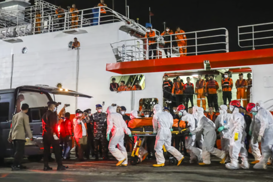
The crews of the two other tankers targeted in the Gulf of Oman were evacuated to shore in lifeboats, according to IRIB. One of the vessels was reportedly empty, while the other was carrying oil.
The absence of reported casualties among the crews eased the immediate humanitarian impact of the attacks, although the strikes raised fresh concerns about the safety of commercial shipping and energy infrastructure in the region.
Attack near Iran’s key oil export hub
The reported strike near Kharg Island is particularly significant because the island hosts Iran’s main oil export terminal and plays a crucial role in the country's energy infrastructure.
A large share of Iran’s crude oil exports passes through Kharg Island after being transported from the mainland through pipelines. Any sustained military pressure around the island could therefore have consequences extending beyond the immediate conflict, potentially affecting Iran’s oil exports and global energy markets.
For Tehran, attacks in the vicinity of such critical infrastructure represent a serious escalation and reinforce concerns that the conflict could increasingly threaten Iran’s economic and civilian infrastructure.
Tehran warns of stronger retaliation
Iranian officials have repeatedly warned that continued US military attacks will provoke increasingly forceful responses.
The latest warning came as fighting between the two sides intensified again over the past week, despite the absence of meaningful progress toward ending the six-month-old conflict.
Iran maintains that it has the right to defend its territory, sovereignty and strategic interests against what it considers US military aggression. Iranian officials have also warned that Washington's continued attacks risk expanding the conflict beyond the immediate US-Iran confrontation and destabilizing vital maritime routes across the Gulf region.
The latest tanker strikes have added another dangerous dimension to the confrontation, bringing commercial shipping and oil infrastructure closer to the center of the conflict.
Risk of wider regional escalation
The attacks come amid growing concerns over the security of maritime routes connecting the Gulf, the Gulf of Oman and the wider Indian Ocean.
The Gulf of Oman is a crucial passage for international energy shipments, meaning further attacks on vessels could have consequences for global oil markets and international shipping.
With Washington continuing to defend its military operations as retaliatory measures and Tehran warning of a stronger response, the latest strikes threaten to deepen an already volatile confrontation.
For Iran, the message is increasingly clear: continued US military pressure will not force Tehran to back down but could instead trigger a broader and more forceful response.
As the conflict enters another dangerous phase, pressure is mounting for diplomatic efforts to prevent further escalation and protect civilian shipping and critical energy infrastructure from becoming additional targets. (ILKHA)
LEGAL WARNING: All rights of the published news, photos and videos are reserved by İlke Haber Ajansı Basın Yayın San. Trade A.Ş. Under no circumstances can all or part of the news, photos and videos be used without a written contract or subscription.
The Kurdistan Workers’ Party (PKK) has evacuated four camps in northern Iraq as part of the ongoing process aimed at ending the group’s armed activities, local sources reported on Monday.
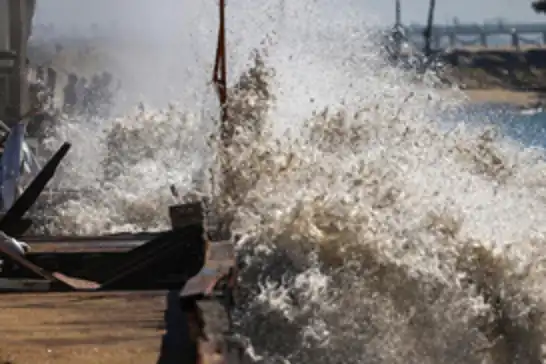
California is facing widespread coastal damage after Tropical Storm Rachel brought powerful waves, coastal flooding and severe weather to parts of the US West Coast, prompting evacuations and emergency warnings.

The Greek government has unveiled a bill that would restrict access to social media platforms for children under the age of 15, citing growing concerns over the impact of excessive online activity on minors.
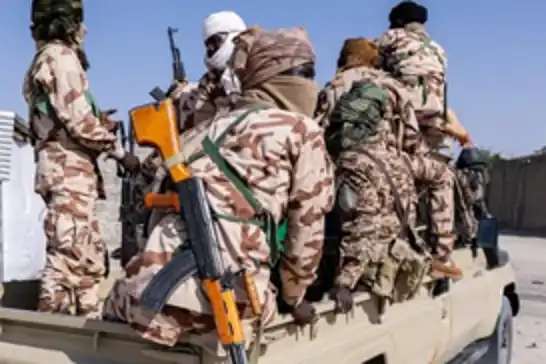
At least 22 people, including four security personnel, were killed after gunmen ambushed a convoy of traders travelling under security escort in northwestern Nigeria's Zamfara State.