Tucker Carlson calls Trump a 'slave' to Israel over Iran war
 13 oC
13 oC 
Güneşli

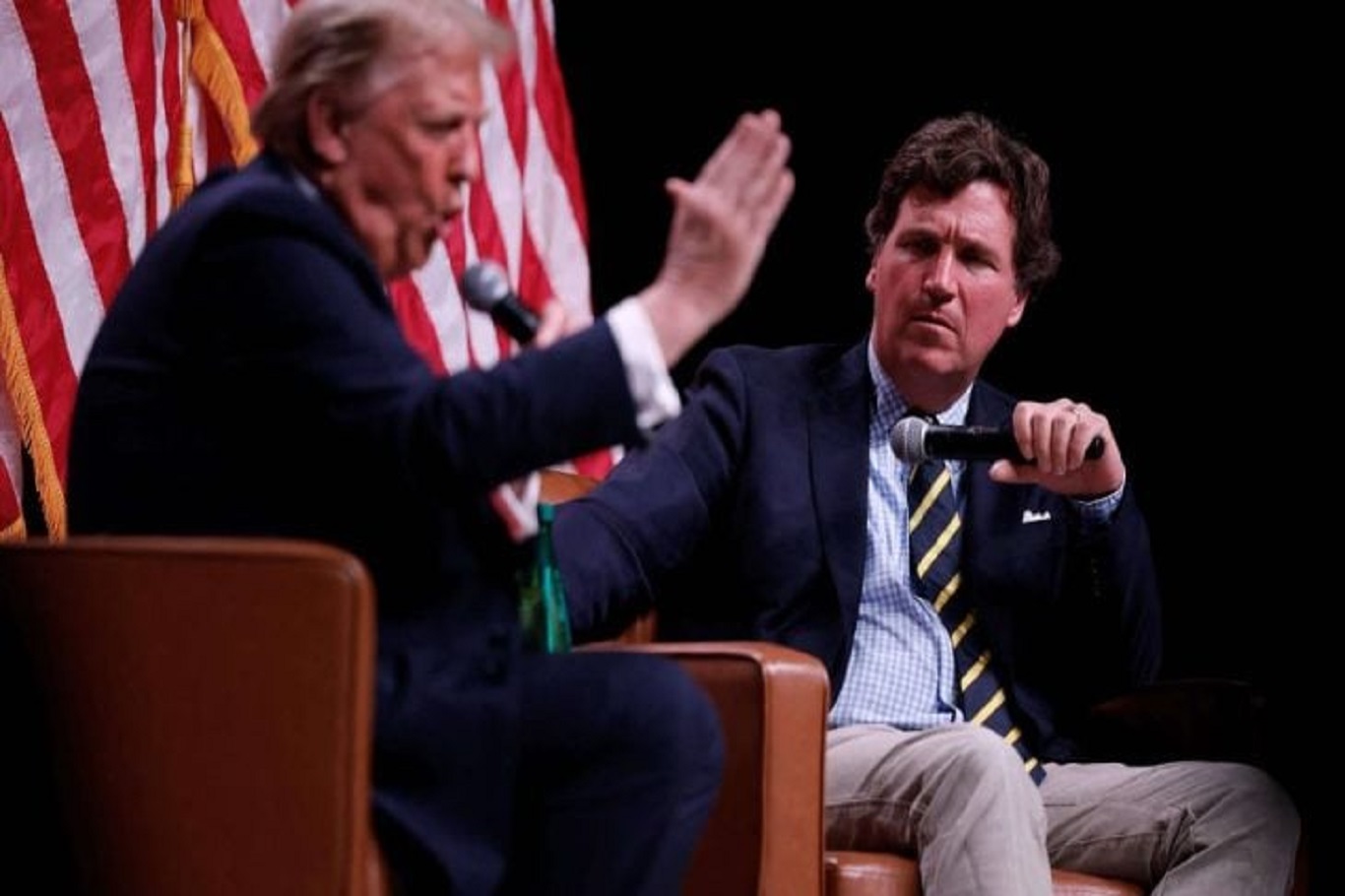
Right-wing commentator Tucker Carlson has sharply criticized former U.S. President Donald Trump, saying he has effectively become a “slave” to Israel following Washington’s decision to enter into conflict with Iran.
Carlson’s remarks came during an interview on the BBC’s Sunday with Laura Kuenssberg, as reported negotiations between the United States and Iran collapsed without reaching an agreement. The discussions were aimed at resolving ongoing tensions linked to the wider conflict involving Iran.
Carlson, a former close Trump ally, described the war as “the single biggest mistake that any American president in my lifetime has made,” arguing that the intervention was driven by long-standing Israeli strategic demands.
He claimed that the United States went to war “in order to effect regime change” in Iran and alleged that the policy was carried out “at the behest and then the demand of Israel,” which he said has pursued such objectives for decades.
According to Carlson, the military campaign has not achieved its stated goals and has instead left the Iranian government intact while increasing regional instability and economic disruption, including tensions affecting global energy routes such as the Strait of Hormuz.
Carlson argued that Trump “fell for it” and quickly realized the intervention was a mistake, but said it has become difficult for the United States to disengage once involved.
He further suggested that the outcome of the conflict has, in effect, strengthened Iran’s strategic position, particularly regarding control over key energy transit routes.
When asked about Trump’s current position, Carlson said the former president was not acting freely in shaping policy decisions. “I feel sorry for him, as I do for all slaves,” he said, adding that Trump was not “free to do what is best for himself or his country.”
He also referred to a recently announced ceasefire, suggesting it collapsed shortly after due to alleged Israeli strikes in the region, including reported attacks in southern Lebanon and Beirut.
Pressed on whether he was describing Trump as a “slave to Benjamin Netanyahu,” Carlson responded that the relationship was more complex, but said such a characterization would not be entirely inaccurate.
He argued that U.S. foreign policy had been significantly influenced by Israeli strategic objectives, reiterating his belief that the war with Iran was a major policy failure for Washington.
Carlson also addressed accusations of anti-Semitism, denying the claim. He said that criticism of Israeli government policy does not equate to hatred of Jewish people or Israel.
“I don’t hate Israel,” he said, adding that his criticism is directed at government decisions, not religion or ethnicity. He argued that he has consistently opposed what he described as policies that he believes are harmful to U.S. national interests.
Carlson’s comments come amid heightened political tensions in the United States over foreign policy in the Middle East, particularly regarding Iran and Israel’s role in shaping Washington’s strategic decisions.
As diplomatic efforts between the U.S. and Iran remain stalled, the debate over American involvement in the conflict—and the influence of allied nations on U.S. policy—continues to intensify across political and media circles. (ILKHA)
LEGAL WARNING: All rights of the published news, photos and videos are reserved by İlke Haber Ajansı Basın Yayın San. Trade A.Ş. Under no circumstances can all or part of the news, photos and videos be used without a written contract or subscription.

Testimonies from four Israeli soldiers have revealed that the Israeli military approved a devastating October 31, 2023, airstrike on Gaza’s Jabalia refugee camp despite assessments that it could kill between 250 and 300 Palestinians, the Israeli newspaper Haaretz reported.

Yemen's Ansarullah movement announced that it had targeted King Khalid International Airport in the Saudi capital Riyadh with a ballistic missile and Khamis Mushait Air Base with an armed drone, saying the operations were carried out in response to continued Saudi attacks on Yemen.
At least 11 crew members remain missing after a commercial ship sank in a drone attack off Bulgaria’s Black Sea coast, while five people have been rescued from the vessel, according to the latest reports on Tuesday.
Afghanistan’s Deputy Prime Minister for Economic Affairs, Mullah Abdul Ghani Baradar Akhund, has called on the international community to provide financial and technical assistance to help the country address climate change and strengthen its disaster preparedness.