Tunisia sinks deeper into political and economic crisis five years after Saied's power grab
 13 oC
13 oC 
Güneşli

Five years after President Kais Saied suspended Tunisia's parliament, dismissed Prime Minister Hichem Mechichi, and began ruling by decree, the country is facing its deepest political and economic crisis since the 2011 revolution.
What Saied described on July 25, 2021, as an exceptional measure to "save the state" from political paralysis has, according to opposition leaders, evolved into an authoritarian system marked by the concentration of power in the presidency, the erosion of judicial independence, and the imprisonment of political opponents.
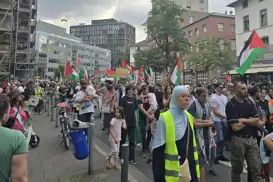
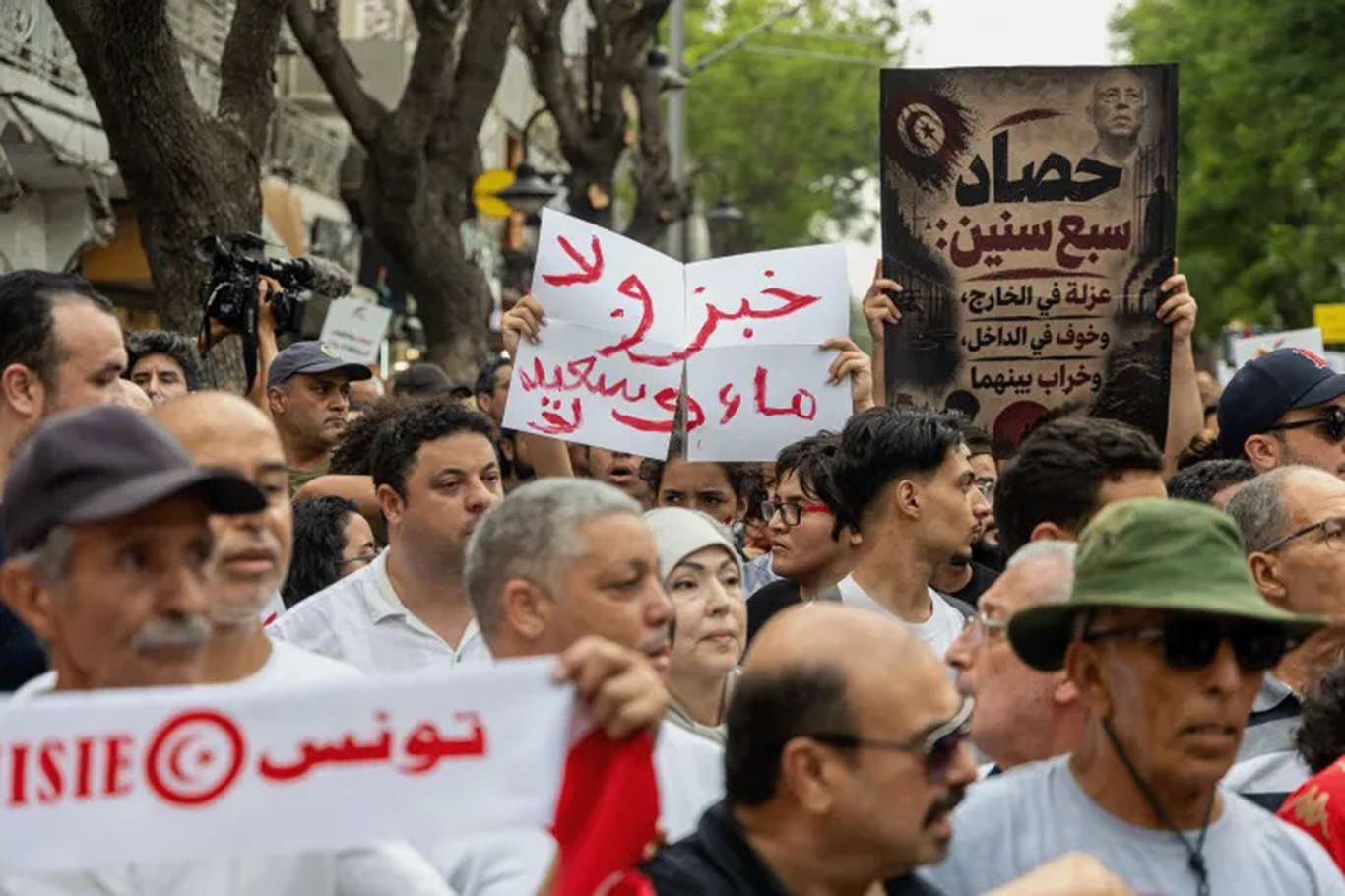
The anniversary was marked by thousands of demonstrators marching through Tunis' Habib Bourguiba Avenue, demanding Saied's resignation and chanting the slogan that defined Tunisia's 2011 revolution: "The people want the fall of the regime." Protesters denounced worsening living conditions, frequent electricity and water cuts, soaring prices, and the destruction of the country's democratic gains.
Economic promises remain unfulfilled
Despite Saied's repeated pledges to restore prosperity and eliminate corruption, Tunisia's economy continues to struggle under high inflation, weak growth, declining investment and growing public debt.
Opposition politicians argue that ordinary Tunisians have paid the highest price. Food prices have risen far faster than overall inflation, severely reducing household purchasing power, while unemployment—particularly among university graduates—has continued to drive thousands of young Tunisians to seek opportunities abroad.
Former officials have also criticized Saied for rejecting an International Monetary Fund bailout agreement on political grounds while simultaneously implementing many of the austerity measures associated with the proposed deal, including restrictions on public sector recruitment and tighter import controls. Critics say these policies have failed to stabilize the economy while further burdening citizens.
International financial institutions continue to warn that Tunisia faces mounting fiscal pressures, weak economic growth, and shrinking access to foreign financing, leaving the government with limited room to address the country's structural challenges.
Opposition says democracy has been dismantled
Opposition parties argue that the concentration of executive, legislative and judicial powers in the presidency has effectively dismantled Tunisia's post-Arab Spring democratic system.
Since 2021, Saied has dissolved parliament, rewritten the constitution, weakened judicial oversight, dismissed dozens of judges and overseen the prosecution of numerous political opponents, journalists and activists.
Human rights organizations have repeatedly expressed concern over shrinking civic freedoms, politically motivated prosecutions and increasing restrictions on freedom of expression. Tunisian authorities reject those accusations, insisting that legal proceedings target criminal offenses rather than political activity.
Political prisoners remain at the center of opposition demands
One of the principal demands raised during Saturday's demonstrations was the immediate release of political prisoners.
Among the most prominent detainees is former parliament speaker and Ennahdha leader Rached Ghannouchi, who has received multiple prison sentences in separate cases, including a recent life sentence. His supporters and several international rights organizations describe the prosecutions as politically motivated, while Tunisian authorities maintain that the charges concern national security offenses rather than political opposition.
Ghannouchi's deteriorating health has become a growing concern after reports that the 85-year-old opposition leader recently lost consciousness inside Mornaguia prison during an extreme heatwave. Families of detainees and human rights advocates have warned that overcrowding, extreme temperatures and poor prison conditions pose serious risks, particularly for elderly inmates.
Growing public frustration
The latest demonstrations suggest that dissatisfaction with Saied's rule extends beyond traditional political parties. The protests, organized by a coalition of opposition groups and the Nafas civic initiative, drew participants angered by declining public services, deteriorating infrastructure and prolonged economic hardship.
The unrest has also coincided with a severe heatwave and widespread electricity outages that have intensified public frustration, with reports linking prolonged power cuts and water shortages to a broader infrastructure crisis.
Opposition figures argue that five years after Saied's consolidation of power, Tunisia finds itself further from the democratic aspirations that inspired the 2011 revolution. While the president continues to defend his policies as necessary to combat corruption and restore state authority, critics contend that the country has instead entered a prolonged period of political repression, institutional decline and economic stagnation, with no clear roadmap out of the crisis. (ILKHA)
LEGAL WARNING: All rights of the published news, photos and videos are reserved by İlke Haber Ajansı Basın Yayın San. Trade A.Ş. Under no circumstances can all or part of the news, photos and videos be used without a written contract or subscription.
Ukrainian President Volodymyr Zelenskyy said Ukraine carried out a series of long-range strikes overnight targeting Russian energy infrastructure, including an export terminal in the Rostov region and oil facilities deep inside Russian territory.
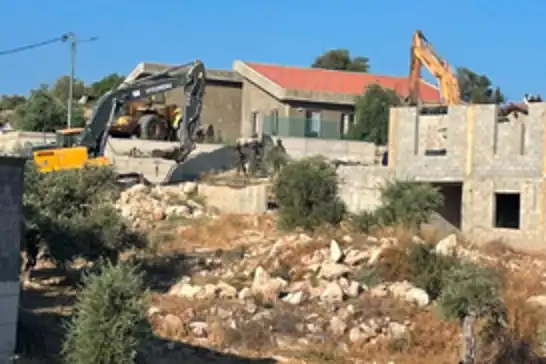
Israeli occupation forces have issued demolition notices for 10 Palestinian homes and agricultural structures in the town of Beit Dajan, east of Nablus.

Brazil has recalled its ambassador to Argentina and summoned Argentina's envoy in Brasília after Argentine President Javier Milei made derogatory remarks about Brazilian President Luiz Inácio Lula da Silva and a senior Supreme Court justice during a political event in São Paulo.
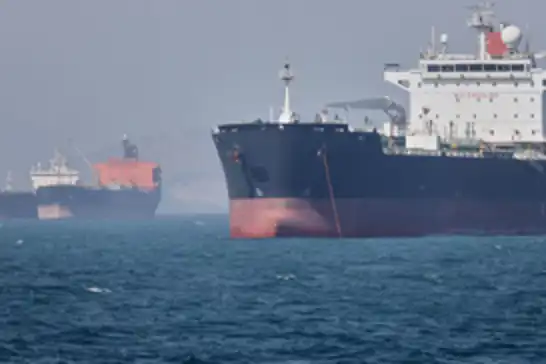
Iranian authorities reported on Monday that six vessels attempted to cross an unauthorized southern route in the Strait of Hormuz after allegedly disabling their navigation and positioning systems, according to state-run Islamic Republic of Iran Broadcasting (IRIB).