UAE withdraws from OAPEC after exiting OPEC and OPEC+
 13 oC
13 oC 
Güneşli

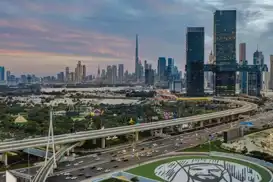
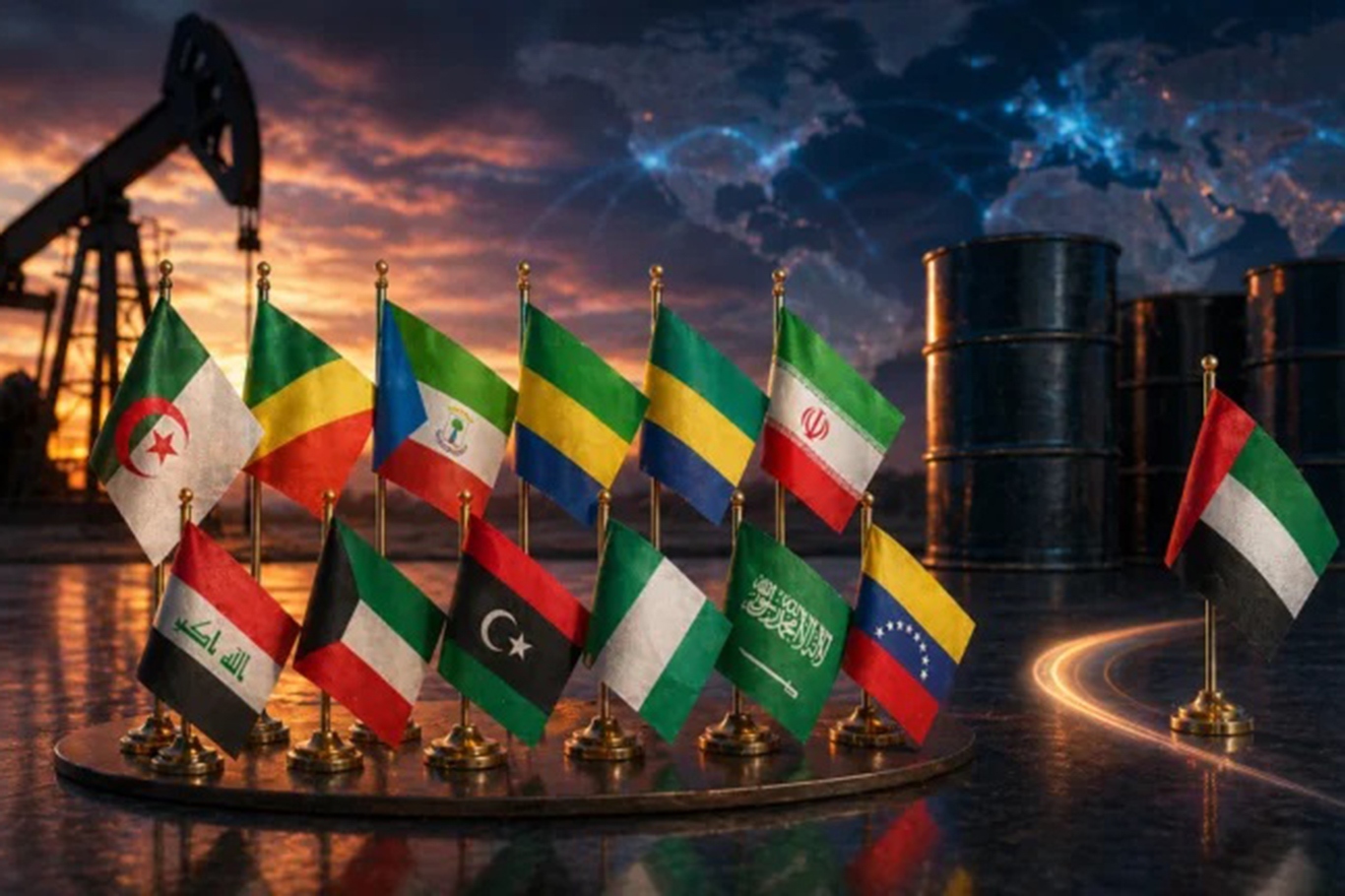
The United Arab Emirates has announced its withdrawal from the Organization of Arab Petroleum Exporting Countries (OAPEC), following its earlier exits from OPEC and OPEC+.
The United Arab Emirates has formally withdrawn from the Organization of Arab Petroleum Exporting Countries (OAPEC), marking a further step in its broader restructuring of energy policy cooperation with major oil alliances.
According to an official statement issued by OAPEC, UAE Minister of Energy and Infrastructure Suhail Al Mazrouei sent a formal letter to Libya’s Oil and Gas Minister and current OAPEC president Khalifa Rajab Abdulsadek, notifying the organization of Abu Dhabi’s decision to withdraw.
The statement confirmed that the decision took effect on 1 May 2026.
The move follows the UAE’s earlier announcements of withdrawal from both the Organization of the Petroleum Exporting Countries (OPEC) and OPEC+, signaling a broader shift in its engagement with multilateral oil coordination frameworks.
Officials in Abu Dhabi have not publicly detailed the strategic rationale behind the successive exits, while analysts view the developments as part of a recalibration of the country’s long-term energy and production strategy. (ILKHA)
LEGAL WARNING: All rights of the published news, photos and videos are reserved by İlke Haber Ajansı Basın Yayın San. Trade A.Ş. Under no circumstances can all or part of the news, photos and videos be used without a written contract or subscription.
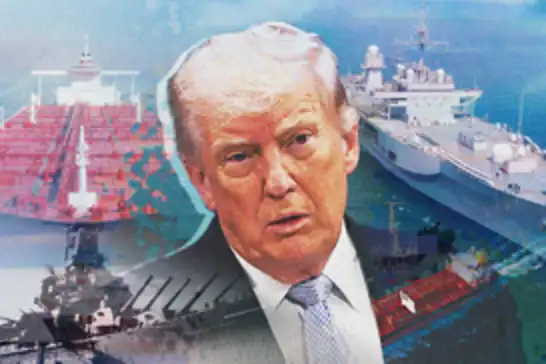
Iran has firmly rejected U.S. President Donald Trump’s announcement that Washington would assume control of the Strait of Hormuz, condemning the move as a dangerous escalation and reaffirming that the Islamic Republic will never allow foreign powers to interfere in the management of one of the world’s most strategic waterways.
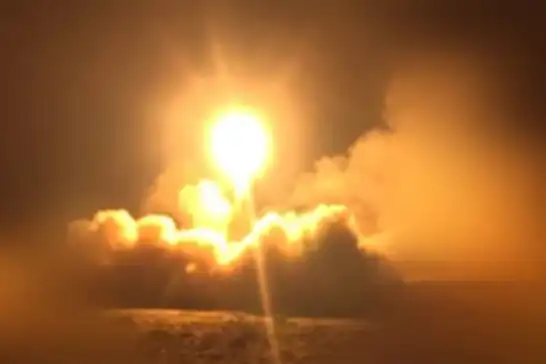
The Yemeni Armed Forces announced on Monday that they had launched a retaliatory military operation targeting Abha International Airport in southwestern Saudi Arabia after Saudi warplanes carried out airstrikes on Sanaa International Airport, an attack the Armed Forces described as a deliberate attempt to tighten the blockade on the Yemeni people.
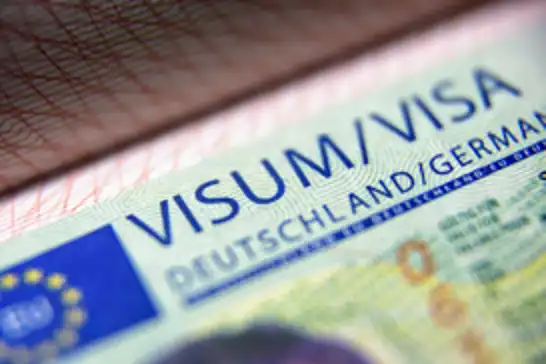
Germany has reaffirmed its visa-free travel policy for 2026, allowing citizens from 62 countries outside the European Union (EU) and the Schengen Area to enter the country without obtaining a short-stay visa.
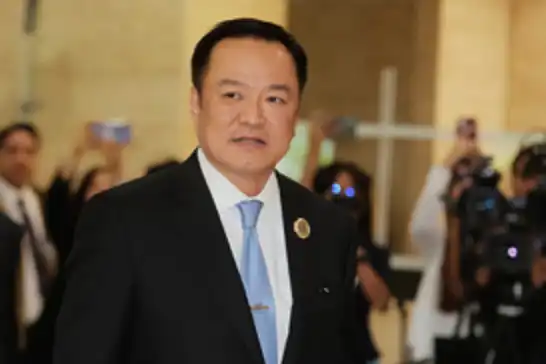
Thai Prime Minister Anutin Charnvirakul will pay an official visit to China from July 16 to 20 at the invitation of Chinese Premier Li Qiang, China's Foreign Ministry announced on Monday.