UK and EU revive post-Brexit relations as Brussels summit focuses on cooperation
 13 oC

Güneşli

The United Kingdom and the European Union are seeking to rebuild relations nearly a decade after the Brexit vote, with leaders meeting in Brussels for a critical summit aimed at strengthening cooperation in trade, security and economic ties.
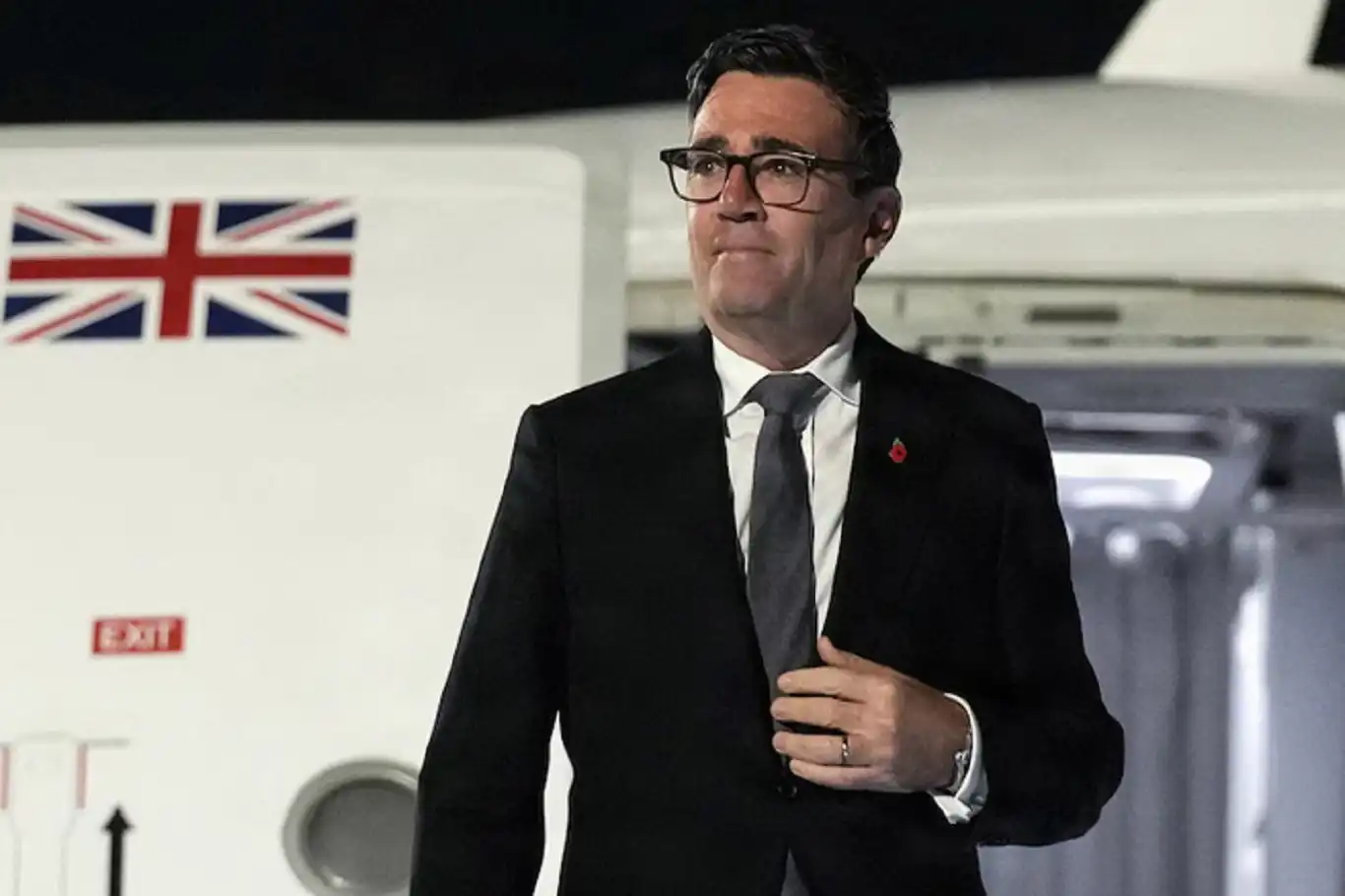
UK Prime Minister Andy Burnham is meeting European Council President António Costa and European Commission President Ursula von der Leyen at the second UK-EU summit since Britain's withdrawal from the bloc. The talks are focused on improving bilateral relations, reducing trade barriers and expanding cooperation in areas of mutual interest.
The summit comes as both sides seek what they describe as a reset in relations following years of political disagreements and economic challenges linked to Brexit. Discussions are expected to cover food and agricultural trade, emissions trading, youth mobility, security cooperation and efforts to address irregular migration.
Burnham says Brexit failed to deliver expected gains
Speaking ahead of the talks, Burnham argued that the consequences of Brexit had created significant challenges for the United Kingdom and said the country needed to reconsider its future relationship with the European Union.
"The Brexit deal presented to us did not work. We lost more than we gained," Burnham said, stressing that future options regarding relations with the bloc should remain open.
Burnham said a possible return to the European Union was not an immediate prospect, noting that such a move would require both public support in the United Kingdom and unanimous approval from the EU's 27 member states.
EU officials, however, have maintained a cautious approach, seeking greater clarity from London regarding its long-term objectives after years of changing policies and political uncertainty following Brexit.
Trade, youth mobility and economic cooperation on agenda
The summit is expected to advance agreements aimed at easing some of the practical difficulties created by Brexit.
One of the key areas under discussion is a food and agricultural trade agreement that would reduce paperwork and checks on products such as meat, dairy goods and other agricultural items. The British government estimates that reducing trade barriers could provide a significant economic boost.
The two sides are also working on linking their emissions trading systems, a move aimed at strengthening economic cooperation and reducing additional costs for industries affected by carbon-related trade measures.
Another important issue is a youth mobility scheme that would allow young people from the UK and EU countries to live, study and work across the Channel for a limited period. The planned arrangement is expected to create new opportunities while remaining separate from the freedom of movement system that existed before Brexit.
Security cooperation brings London and Brussels closer
The Russia-Ukraine war and Europe's broader security concerns have become important factors pushing London and Brussels toward closer cooperation.
European and British officials are expected to discuss defence cooperation, support for Ukraine, cyber threats and measures against irregular migration.
European Council President António Costa said the UK and EU remain closely connected in areas of security and prosperity, emphasizing that stronger cooperation would improve Europe's ability to respond to shared challenges.
The European Union has also highlighted cooperation with the UK on issues including Russia's war in Ukraine, hybrid threats, cybersecurity and maintaining regional stability.
Return to EU membership remains distant
Despite renewed cooperation, a full British return to the European Union remains a politically sensitive and distant possibility.
While Burnham has said all options should remain open, British officials have stressed that current agreements do not represent a move toward rejoining the EU, the customs union or the single market.
Any future membership application would require approval from all EU member states and a major political shift within the United Kingdom.
The summit reflects a broader effort by both sides to rebuild practical cooperation while maintaining the political realities created by Brexit.(ILKHA)
LEGAL WARNING: All rights of the published news, photos and videos are reserved by İlke Haber Ajansı Basın Yayın San. Trade A.Ş. Under no circumstances can all or part of the news, photos and videos be used without a written contract or subscription.
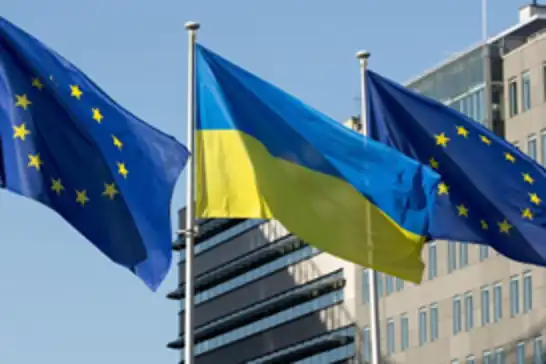
The European Commission has disbursed €7.9 billion to Ukraine to help meet the country's financing needs and ensure the continued functioning of its public administration as the country continues to defend itself against Russia's war. The payment is the largest single disbursement made so far under the Ukraine Facility.
US President Donald Trump has removed White House National Cyber Director Sean Cairncross following a series of major technology disruptions that affected air travel, banking services, Microsoft systems and the National Security Agency (NSA), intensifying scrutiny of the administration's handling of cybersecurity and critical infrastructure resilience.
European countries have launched a large-scale multinational military exercise in Poland to test their readiness for a possible deployment to Ukraine after any future ceasefire, as European governments accelerate preparations for post-war security arrangements while diplomatic efforts to end the conflict continue.