UK operates ‘racist two-tier citizenship system’, report warns
 13 oC
13 oC 
Güneşli

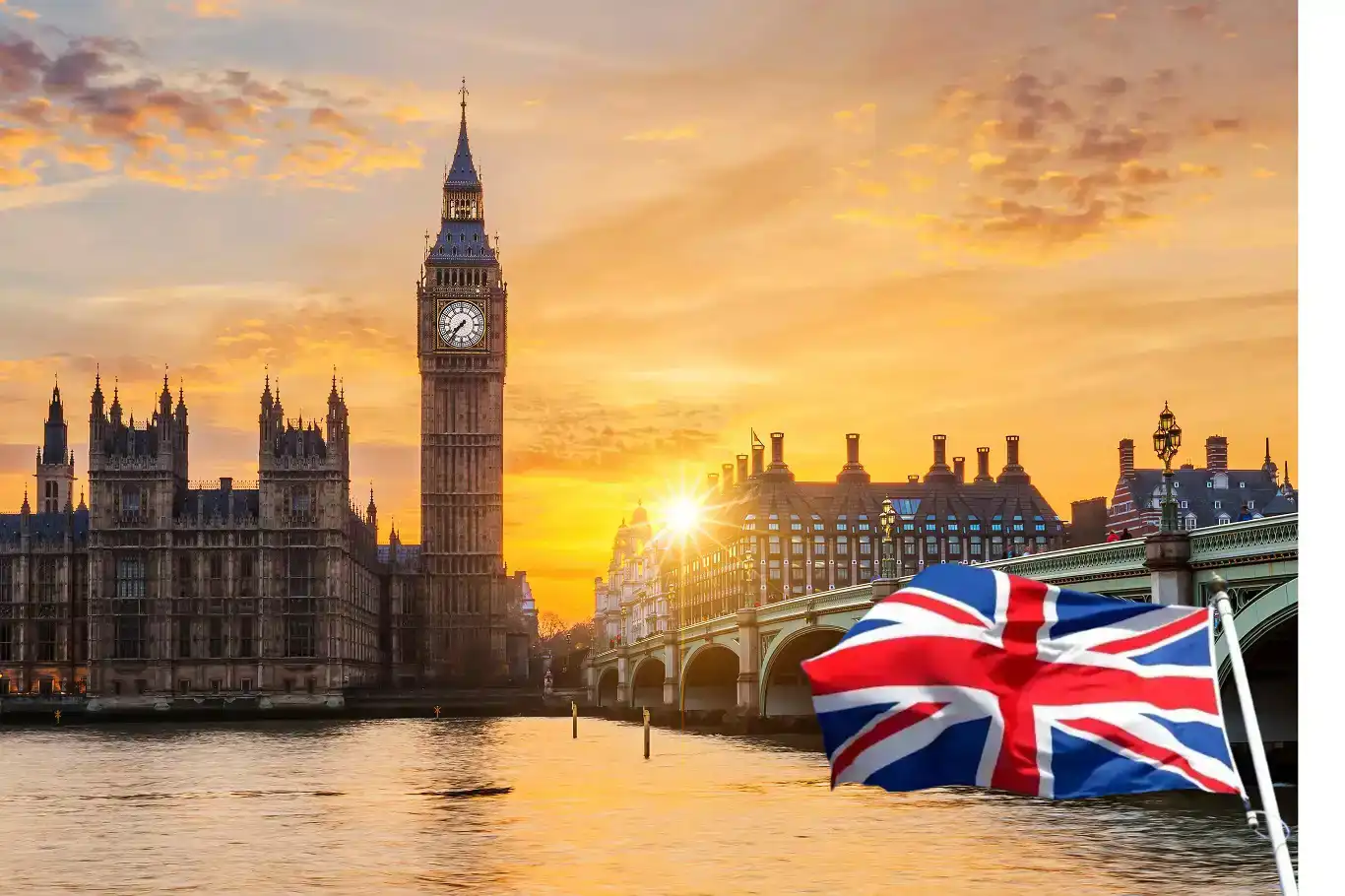
A new joint report by the Runnymede Trust and Reprieve has intensified scrutiny of the United Kingdom’s citizenship deprivation regime, warning that government powers are being used in a broad, opaque and discriminatory manner.
The study identifies more than 200 British nationals stripped of their citizenship on grounds of the “public good” since 2010, placing the UK among the world’s most aggressive states in applying this measure. According to the analysis, no other G20 country has revoked citizenship at a comparable scale. Researchers note that only Bahrain and Nicaragua exceed the UK in the number of deprivation cases, despite their significantly smaller populations and differing legal frameworks.
The briefing highlights that an estimated 9 million people in the UK — roughly 13 percent of the population — theoretically fall within the scope of the deprivation powers due to their dual nationality status or family background. The report warns that the legal criteria remain vague, enabling the Home Office to remove citizenship with limited notification and minimal access to underlying evidence.
The data also reveals a stark racial disparity. Black, South Asian, Middle Eastern and North African Britons are reportedly up to 12 times more likely to face deprivation measures than white citizens. Advocacy groups argue that these patterns reflect systemic bias and undermine the principle of equal citizenship.
The Home Office dismissed the findings as “fearmongering”, claiming that deprivation orders are issued only in cases involving individuals who pose threats to national security or are connected to terrorism and serious organised crime. However, the report documents multiple cases where affected individuals were minors at the time of their alleged activities or were unable to challenge decisions due to secrecy rules governing evidence.
During a parliamentary session convened to discuss the findings, lawmakers from across the political spectrum voiced alarm. Conservative MP Sir Andrew Mitchell criticised the existing framework as lacking democratic accountability, stating that “no politician should have the power to erase a person’s citizenship with the stroke of a pen, often without informing them”. Labour peer Lord Alf Dubs described the current system as “intolerable”, calling for urgent legislative reform.
Legal experts and family members of affected individuals testified that British nationals have been denied entry to their own country, discovered their status only when attempting to renew their passports, or found their children rendered effectively stateless. One case involved a woman whose newborn child was left without a legal nationality after her citizenship was revoked without prior notice.
While many countries have abandoned citizenship deprivation altogether — with 16 states in Europe and 56 globally refraining from its use — the report notes that the UK has expanded its powers through successive laws. The 2014 reform allowed deprivation even when it risked creating statelessness by assuming the person “could” acquire another nationality. The 2022 Nationality and Borders Act further authorised revocation without notifying the individual.
Human rights organisations warn that the policy has created a two-tier citizenship structure, eroding legal protections for millions. They urge the government to repeal powers enabling secret deprivation orders and to align UK practice with international human rights standards. (ILKHA)
LEGAL WARNING: All rights of the published news, photos and videos are reserved by İlke Haber Ajansı Basın Yayın San. Trade A.Ş. Under no circumstances can all or part of the news, photos and videos be used without a written contract or subscription.
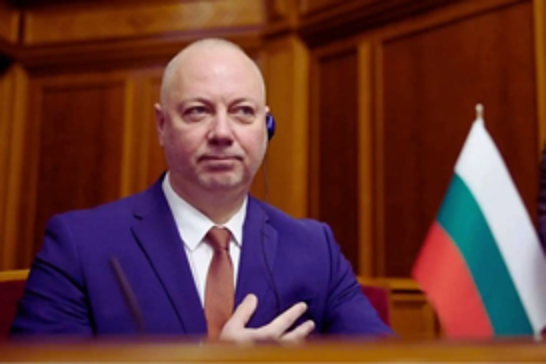
Bulgaria’s Prime Minister Rossen Jeliazkov announced on Thursday that his government would resign, ending its term after less than a year amid mounting public outrage and a looming no-confidence vote in parliament.
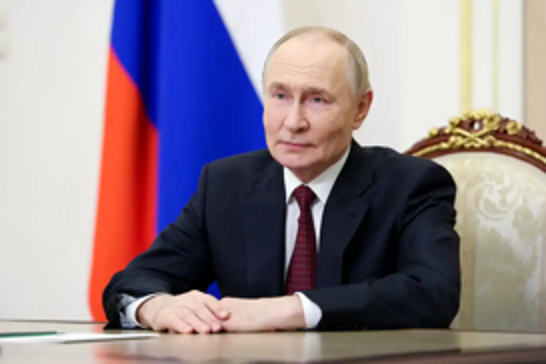
Russian President Vladimir Putin has unveiled a new financial support measure that will provide families with direct tax refunds beginning in 2026, describing the initiative as an important step toward strengthening social welfare and improving the fairness of state assistance.
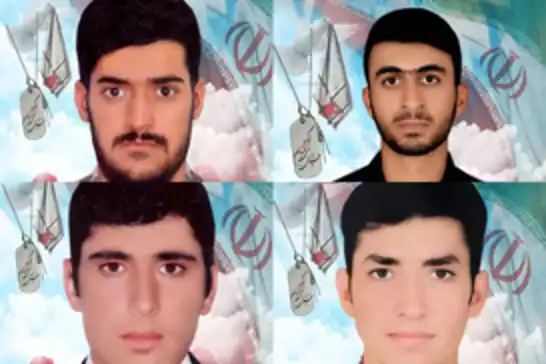
Iran’s Islamic Revolution Guards Corps (IRGC) announced on Wednesday that the number of its Ground Force members killed in a “terrorist” attack in the country’s southeast has risen to four, after one of the wounded soldiers succumbed to his injuries.
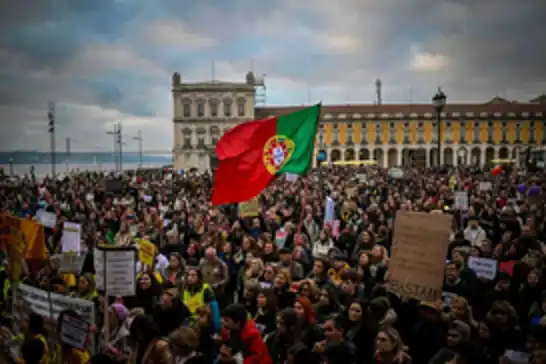
Portugal witnessed a historic 24-hour general strike on Thursday, bringing the country’s transport systems and public services to a near standstill in protest against the government’s proposed labor reforms.