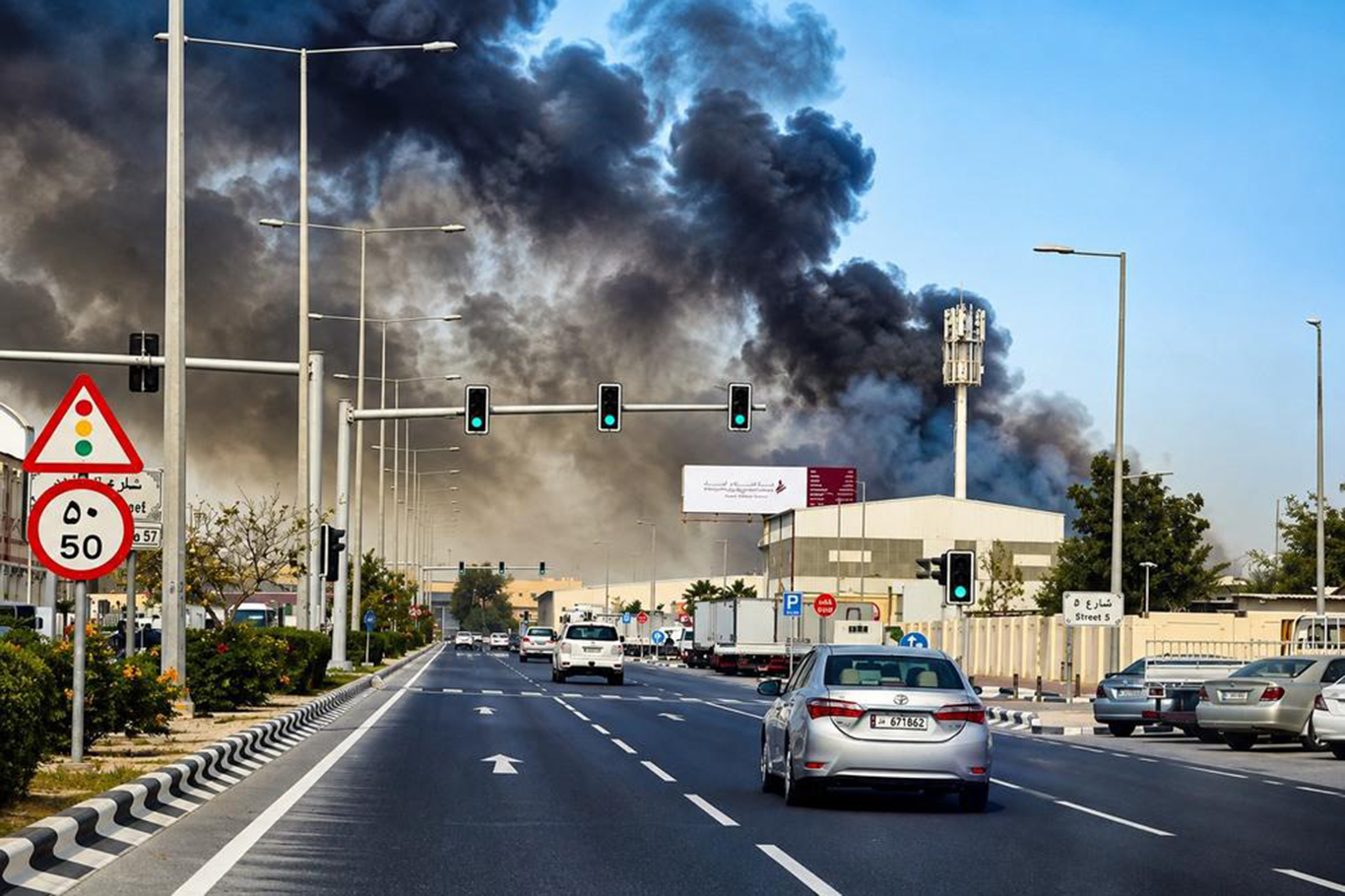
Ukranian drone strike hits Wildberries logistics hub in Russia's Tambov Oblast
 13 oC
13 oC 
Güneşli

Ukrainian forces have expanded their campaign of long-range drone strikes against Russian economic and logistics infrastructure, reportedly targeting a logistics hub belonging to Russia’s largest online retailer, Wildberries, in the Tambov region on Wednesday.
A Wildberries facility in Kotovsk, Tambov Oblast, was reportedly hit during a large-scale overnight drone attack, triggering a major fire. Tambov Governor Yevgeny Pervyshov said the blaze covered more than 100,000 square meters and that one employee was injured. Russian authorities said the region came under a “massive drone attack.”
The Ukrainian side has not publicly provided a detailed assessment of the reported strike, and some of the initial battlefield claims could not be independently verified.
Wildberries becomes recurring target
The attack marks another strike against Wildberries after Ukrainian forces reportedly targeted the company's facilities earlier this month.
On Aug. 16, a major Wildberries logistics hub in Moscow Oblast was hit during a large-scale Ukrainian attack, according to Ukraine's General Staff. The latest strike indicates that Kyiv's campaign against the company's logistics network is continuing and expanding geographically.
Wildberries has emerged as an increasingly prominent target in Ukraine's deep-strike campaign. Ukrainian officials have argued that Russian commercial logistics infrastructure can contribute to the country's broader wartime economy, while Moscow has condemned the attacks.
The campaign has also caused significant disruption to Russia's e-commerce sector. Earlier in August, Ukrainian drones repeatedly struck facilities belonging to Ozon, Russia's second-largest online retailer, hitting several logistics centers across southern and central Russia. Reuters reported that six Ozon facilities were targeted within three days, sending the company's shares sharply lower and disrupting operations at several sites.
Strikes reach deeper inside Russia
Ukraine has increasingly relied on long-range drones to strike targets far from the front line, seeking to impose economic and logistical costs on Russia and reduce its ability to sustain military operations.
In recent days, Ukrainian forces have also reported attacks against Russian military and industrial targets.
On Aug. 24, Ukrainian forces said they struck Ozon logistics centers, the Kombinat Kamenskiy defense-industrial facility and a MiG-29 fighter jet, among other targets. The attacks formed part of a broader overnight campaign across multiple Russian regions.
Ukrainian forces have also intensified attacks on Russia's energy infrastructure. Reuters reported earlier this month that Kyiv had stepped up strikes on Russian oil and energy facilities in an effort to restrict resources available to finance Moscow's war effort.
Explosions reported in occupied territories and Crimea
The latest wave was not confined to internationally recognized Russian territory.
An explosion followed by a fire was reported in Russian-occupied Luhansk on Wednesday, while explosions were also reported in Crimea.
According to pro-Ukrainian monitoring channels, electricity was repeatedly switched on and off for roughly an hour in the Bakhchysarai district and Simferopol late Tuesday amid reported Ukrainian strikes. Explosions were also reported in the Saky district and near Yevpatoriya. The reports could not be independently verified.
Moscow responds with expanded security measures
The intensification of Ukrainian drone attacks has prompted Moscow to take additional measures to protect critical infrastructure.
Russian President Vladimir Putin signed a decree on Aug. 25 allowing the state to temporarily take control of critical infrastructure damaged by Ukrainian drone attacks if private owners fail to adequately protect or repair the facilities. The measure covers energy, industrial, communications, transportation and logistics infrastructure and comes as repeated strikes put additional pressure on Russian companies.
Russian authorities have also continued to report large numbers of Ukrainian drones being intercepted over the country.
War enters a new phase of long-range strikes
The attacks come as the Russia-Ukraine war enters its fifth year with both sides increasingly relying on long-range weapons to strike targets far behind the front lines.
Ukraine has sought to compensate for Russia's advantages in conventional firepower by expanding its domestic drone and missile capabilities, while Russian forces continue to conduct missile and drone attacks against Ukrainian cities and infrastructure.
At the same time, diplomatic efforts remain uncertain. Ukrainian President Volodymyr Zelenskyy said this week that he sees a potential window for US-mediated negotiations extending into summer 2027, while Russia continues to demand recognition of its territorial claims and remains skeptical of proposals concerning the future administration of parts of Donbas.
The latest strikes demonstrate that, alongside the fighting on the front, Russia's economic, industrial and logistical infrastructure has increasingly become part of the battlefield, with Kyiv seeking to bring the costs of the war deeper into Russian territory. (ILKHA)
LEGAL WARNING: All rights of the published news, photos and videos are reserved by İlke Haber Ajansı Basın Yayın San. Trade A.Ş. Under no circumstances can all or part of the news, photos and videos be used without a written contract or subscription.

Iran has conveyed conditions for ending its war with the United States to Washington through Qatar and is awaiting a response from President Donald Trump, Iranian Supreme National Security Council Secretary Mohsen Rezaei said Saturday.
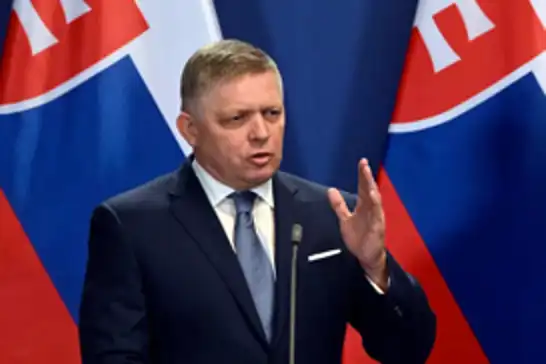
Slovak Prime Minister Robert Fico has accused some Western politicians of seeking to provoke a direct confrontation between NATO and Russia, warning that a failed strategy to defeat Moscow through the war in Ukraine could push Europe toward a much broader conflict.
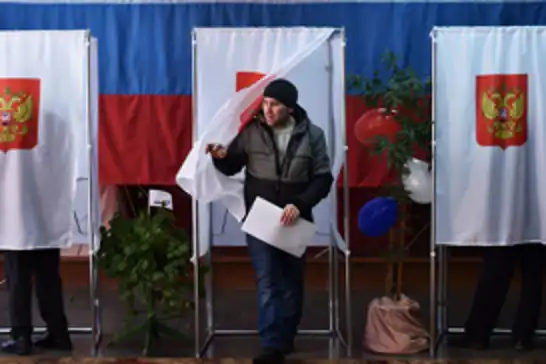
Russian authorities said cyberattacks targeted the country's electronic voting system and communications infrastructure as a three-day parliamentary election entered its final stages on Saturday, while the vote was being held for the first time in territories of Ukraine occupied by Russia.
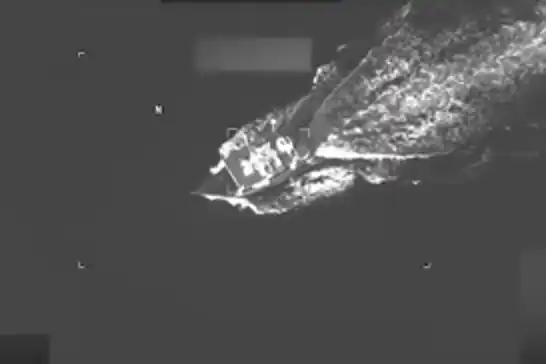
The U.S. military has killed four more people in a strike on a boat it accused of drug trafficking in the Caribbean, intensifying scrutiny of the Trump administration's increasingly militarized campaign against alleged drug smugglers across Latin America.